
A short guide to the ceiling cornice and how to find the right one for your room

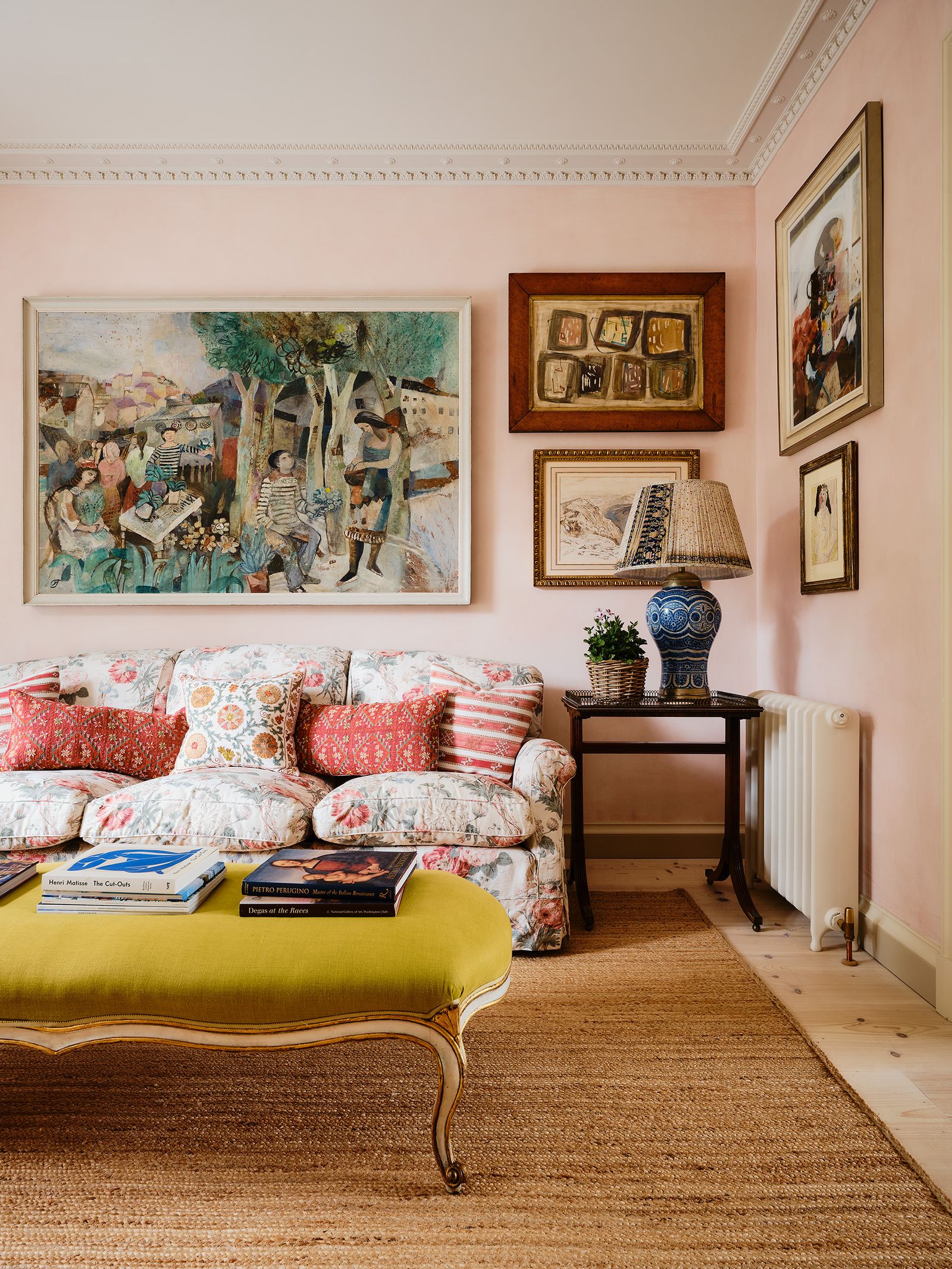
The ceiling cornice may not be the first decorative element that comes to mind when planning a room, yet they have a remarkably subtle influence on how a space feels. They frame the meeting point between wall and ceiling, lift proportions, and introduce a sense of rhythm even to the simplest architecture. Once their presence becomes noticeable, it is clear how decisively they shape a room’s character and how selecting the right profile can enhance a space with little effort.
Fortunately, specialist knowledge is not required to understand them. Generally, a ceiling cornice will belong to a small number of stylistic families, each shaped by the decorative traditions of its period. Recognising these broad categories, and how naturally they sit in different types of buildings, makes the choice far more intuitive.
This understanding also offers a helpful way of approaching a room’s overall decorative scheme. Some spaces benefit from added structure and definition, while others respond better to a softer hand. A well-chosen cornice can steady the proportions or sharpen the edges in a way that feels entirely natural to the architecture.
The examples below outline the main styles that have shaped British interiors and offer a helpful way to approach a room’s overall decorative scheme. Some spaces benefit from added structure and definition, while others respond better to a softer hand. A well-chosen cornice can steady the proportions or sharpen the edges in a way that feels entirely natural to the architecture. And with an understanding of how each style works, it becomes far easier to read what a building is asking for and to choose a profile that genuinely suits its character.
 Emily Faccini1/7
Tudor buildings are among the earliest in Britain to feature cornices, often fashioned in carved timber or moulded plaster. The profiles tend to feel substantial and hand-worked, with motifs drawn from nature: trailing foliage, flowers, seed heads and vine-like scrolls. These richly detailed patterns reflect the period’s fondness for symbolic plants and the pleasure taken in ornamental carving.
 Emily Faccini2/7
Georgian buildings are among the most admired in Britain, largely because of their remarkable sense of balance and proportion. Their cornices follow the same principles, drawing on classical forms shaped by a deep interest in ancient Greece and Rome. Typical details include dentils, palmettes and finely judged curves, all used with restraint to create profiles that feel architectural rather than overtly decorative.
 Emily Faccini3/7
Regency interiors build on the clarity of Georgian design but introduce a more decorative flair. Cornices from this period often feature slender proportions and refined classical ornament, such as laurel swags and radiating rosettes. The detailing is lighter in spirit than high Georgian formality, reflecting an age that favoured a gentler and more graceful interpretation of Classical Antiquity.
 Emily Faccini4/7
Victorian architecture unfolded over Queen Victoria’s long and lively reign, and the cornices associated with the period mirror that breadth of taste. Many rooms were finished with deep, generous profiles, with the popular egg-and-dart appearing everywhere from modest terraces to grander villas.
Gothic Revival sat comfortably within this eclectic mix, offering a more romantic alternative to classical forms. Cornices in this style often feature pointed arches or tracery-inspired repeats, introducing a gentle medieval note that appealed to Victorian sensibilities.


 Emily Faccini5/7
Edwardian cornices carry a calmer and more streamlined character than the Victorian styles that came before them. Ornament is still present but used with a lighter hand. Repeating leaf or tongue-like motifs, as seen here, sit within a cleaner and more ordered profile. The period favoured brighter, well-proportioned rooms, and its mouldings follow that clarity, decorative enough to give shape to the junction between wall and ceiling without overwhelming the space.
 Emily Faccini6/7
Art Deco mouldings embrace geometry with real assurance. Strong lines, stepped shapes and repeating angular motifs, like the zigzag panels shown here, give this style its unmistakable rhythm. The look is crisp and graphic, reflecting the 1920s and 30s fascination with modernity, industry and streamlined form.
 Emily Faccini7/7
Modern cornices take several directions, but all share a move towards simplicity. Some profiles are pared back to crisp, straight lines, while others soften into smooth curves or shallow coves to create a gentle transition between wall and ceiling. Decorative detail is largely set aside in favour of clean geometry and a focus on proportion. Whether angular or rounded, these modern versions aim to frame a room without drawing attention to themselves.


