
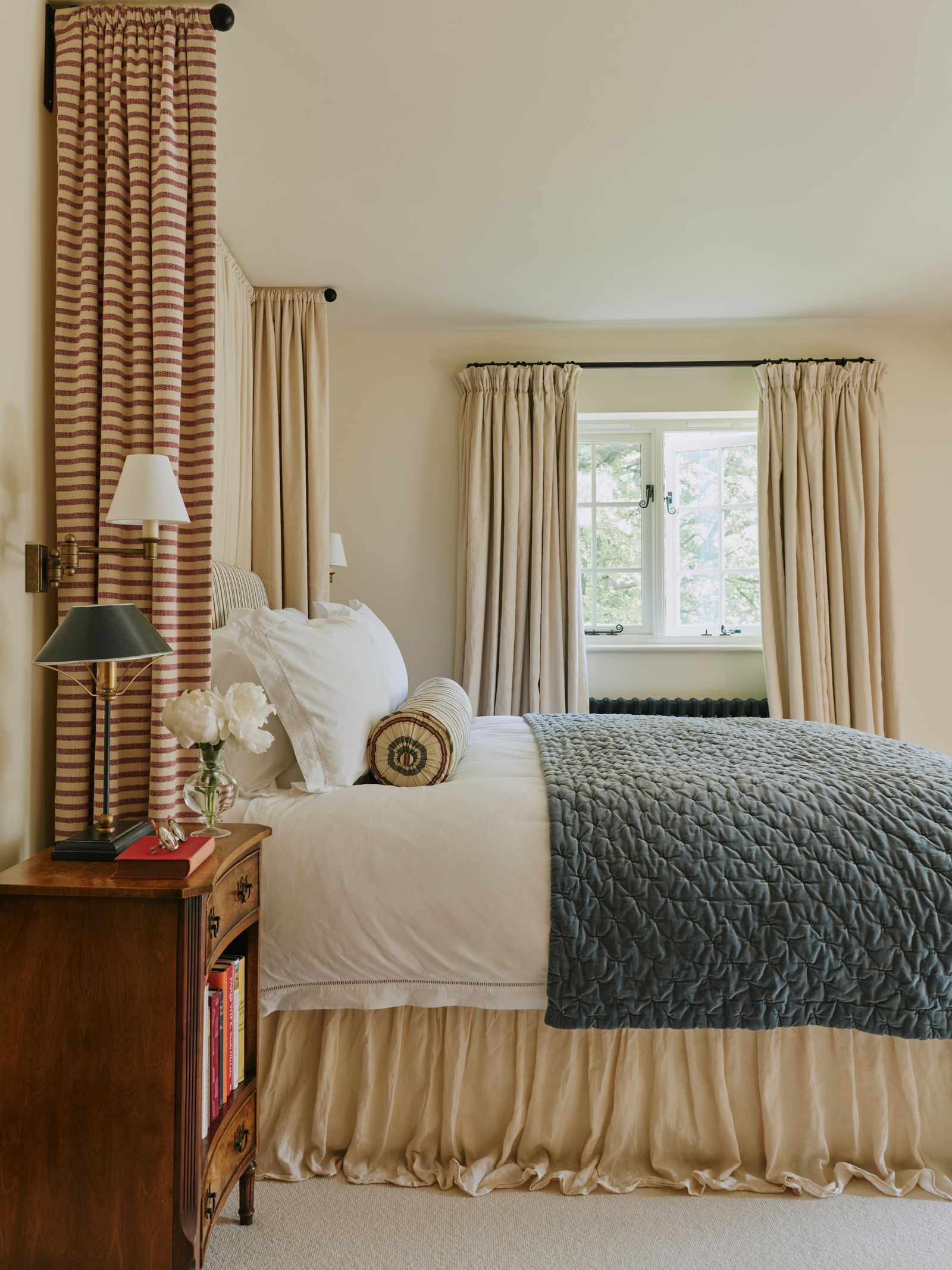
Sateen, percale, GOTS, momme. The amount of jargon one has to learn when it comes to bedding labels can make the search for the right kind of sheets feel like an exam you forgot to revise for. But once you understand the vocabulary, choosing the right bed linen becomes less about impressive-sounding technical terms and more about knowing what truly works for you. And with more mercurial weather on the horizon as we transition to autumn, this feels like the perfect time to decipher the most common bedding labels.
There are two things to really pay attention to: the weave and the fibre. Together, they determine the feel, breathability, and look of your bed linen.

The fibres
Cotton is the undisputed king of bed linen. A natural fibre, it's the most commonly used, known for its breathability, softness and durability. Upland cotton, made from shorter fibres originating in the Americas, is used for the majority of cotton fabrics around the world and is most like what you're picking up if you find bedding labeled as simply as cotton.
When it comes to the search for higher quality cotton, you tend to see the fibres get longer and longer. Pima is a type of cotton originating in Peru, which has longer fibres that make the fabric really soft (even after many washes) and more resistant to pilling. Supima is a portmanteau of ‘superior’ and ‘pima’, describing a premium quality cotton with even longer fibres, which is often used in luxury bedding. Egyptian cotton is synonymous with luxury. Renowned for its sumptuous feel and durability, its deemed more breathable and absorbent that standard cotton.


If you're looking for an alternative to cotton, linen has been used for thousands of years. It’s breathable, hypoallergenic, cools in warmer weather and warms in cooler. With its charming rumpling as it softens with washing, it also provides a different, more relaxed and rustic aesthetic compared to cotton's crisp lines. Belgian linen is well known for its high quality, weighty without losing its thermoregulatory properties or smoothness. As such the label is protected by the Belgian Flax and Linen Association in the way the other products like cheese and Champagne are protected to preserve their quality and heritage. To qualify as Belgian linen, it must be woven in Belgium with flax grown in Europe to strict quality and sustainability standards.
.png)

If you're looking for something more opulent, silk bedding is the obvious option. Naturally insulating yet lightweight, silk is famed for its glamorous reflective sheen and beauty benefits for skin and hair. And while it is smooth and soft to the touch, it is actually incredibly strong. Instead of thread count (more on that later), silk is measured in momme.
.png)

Bed linen described as bamboo can be either true bamboo linen (made with bamboo fibres in rhe same method as linen, hence the name) or bamboo rayon/viscose, the semi-synthetic fabric with a silky drape which is made of cellulose that’s extracted from bamboo fibres. True bamboo linen is naturally hypoallergenic and breathable.
Lyocell, which is marketed as Tencel, is similarly silky and smooth like rayon/viscose but is made from wood pulp, and often marketed as a more eco-friendly option.
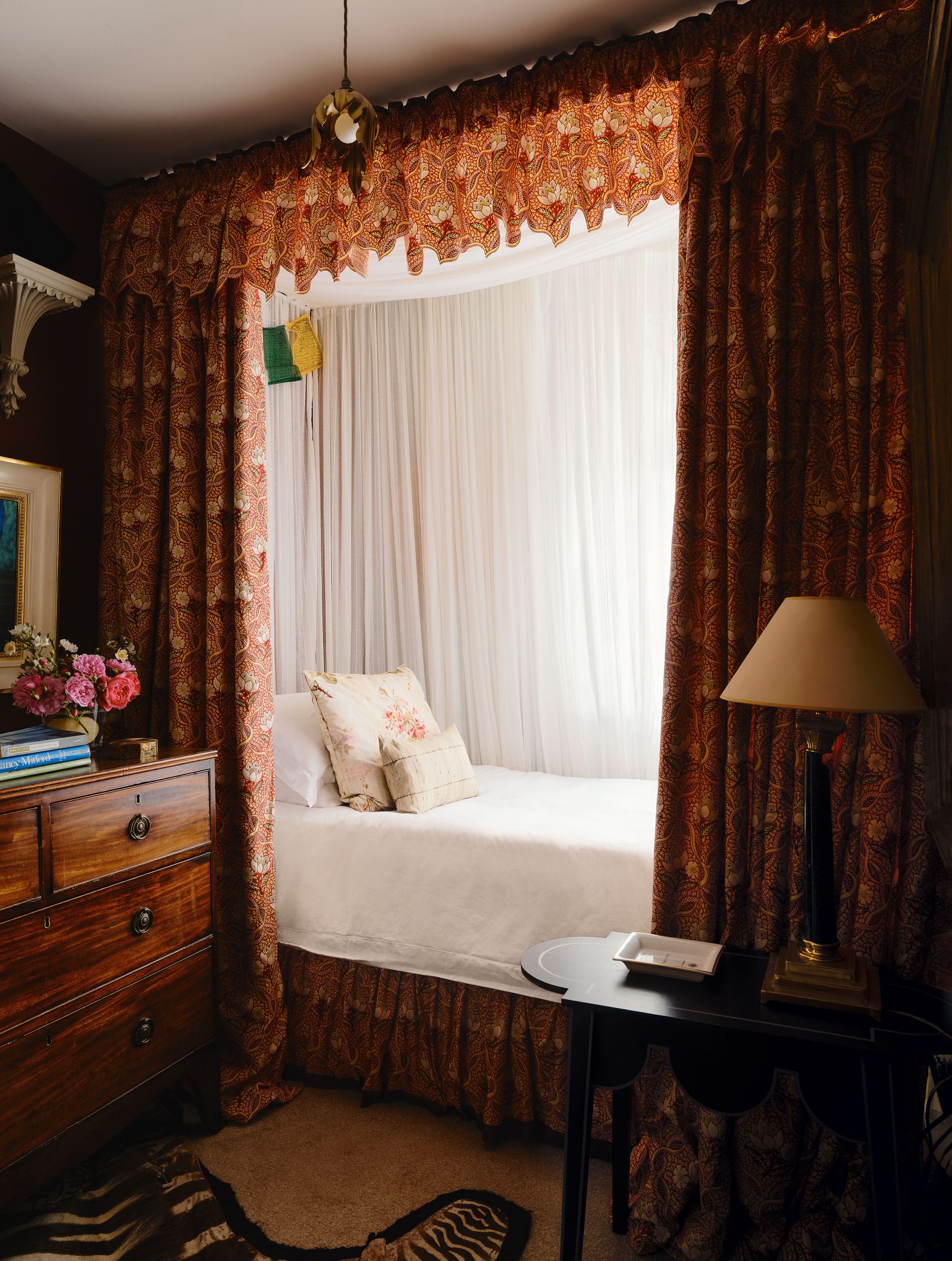
The weaves
There are three fundamental weaves: plain, satin and twill.
A simple sturdy criss cross pattern of fibres at 90 degree angles, this is the most basic of the three types of weave and the most common. Examples of plain weave fabric include seersucker, flannel and percale. Percale is a plain cotton weave, where the fibres are more closely woven together which results in a crisp, finish — the sort of bedding you find in an upscale hotel. To qualify as percale, a sheet must have a minimum thread count of 180. It feels cool to the touch and is ideal for hot sleepers or warmer months.
Silk fibres are woven in a way that creates a soft and silky sheen. Purists will insist that true satin can only be made of silk, but blends offer an accessible route to a little everyday luxury.
Fibres are woven together in a characteristic diagonal pattern. When it comes to bedding, while more durable, twill is less breathable.
Then we have sateen, which is not a weave in and of itself but is actually a cotton or other fibres that are not silk, woven in the satin weave structure to create a silk-like texture and sheen. It provides an affordable way to get silk's glamour while being a little easier to maintain as it is machine-washable.

Sustainability certifications
When it comes to sustainability, there exists a whole other dictionary of terms to know. Look for certifications such as GOTS (Global Organic Textile Standard), for organic fibres, and OEKO-TEX Standard 100, which ensures fabrics are free from harmful substances. But even amongst these noted trusted certifications, there are simpler ways to be kinder the the environment.

As textile sustainability expert Ian Whiteford explains: ‘discussions about the sustainability of different fibres can quickly become complicated, confusing and controversial. Impacts vary between regions and aren’t always well measured.’ One simple way to cut through this is to consider product lifespan. ‘If you want to minimise the environmental impact of your purchases, focus on durable products that will last.’
The thread count myth
Thread count measures the number of horizontal and vertical threads per square inch. A 180 thread count means 90 vertical and 90 horizontal threads woven together. The common belief is simply that ‘the higher the count, the better,’ but it can be a little more complex than that.
‘While a higher thread count can feel softer and more luxurious, the weave, finish and type of cotton are just as important for ensuring durability and a truly comfortable night’s sleep,’ says Sarah Link, Marketing Director, at La Redoute. ‘A 200–300 thread count in high-quality cotton percale can feel crisp, cool and breathable; perfect for those who overheat or get hot during the night,’ she says. ‘A 400–600 thread count sateen offers a silkier finish that feels indulgent and slightly warmer. It’s all about choosing the right fabric to suit your sleeping style.’
“Ultimately, the best thread count comes down to personal preference,” says Sarah. “If you like crisp and airy bedding, stick to the mid-range, but if you prefer something smoother and more cocooning, go higher.”
There is no single ‘best’ fabric or thread count. The ideal set depends on many factors such as whether you’re a hot or cold sleeper, the season, your skin sensitivities, how much upkeep you’re prepared for, and, not to be overlooked, how you want your bedroom to look and feel.
Bedding jargon can feel confusing at first but once you know your fibres and weaves, you can cut through the noise. The goal isn’t just to buy a label, but to invest in sheets that feel good, last, and help turn your bedroom into a sanctuary of rest it should be.


