
Why linen is an interior designer secret weapon for summer and beyond
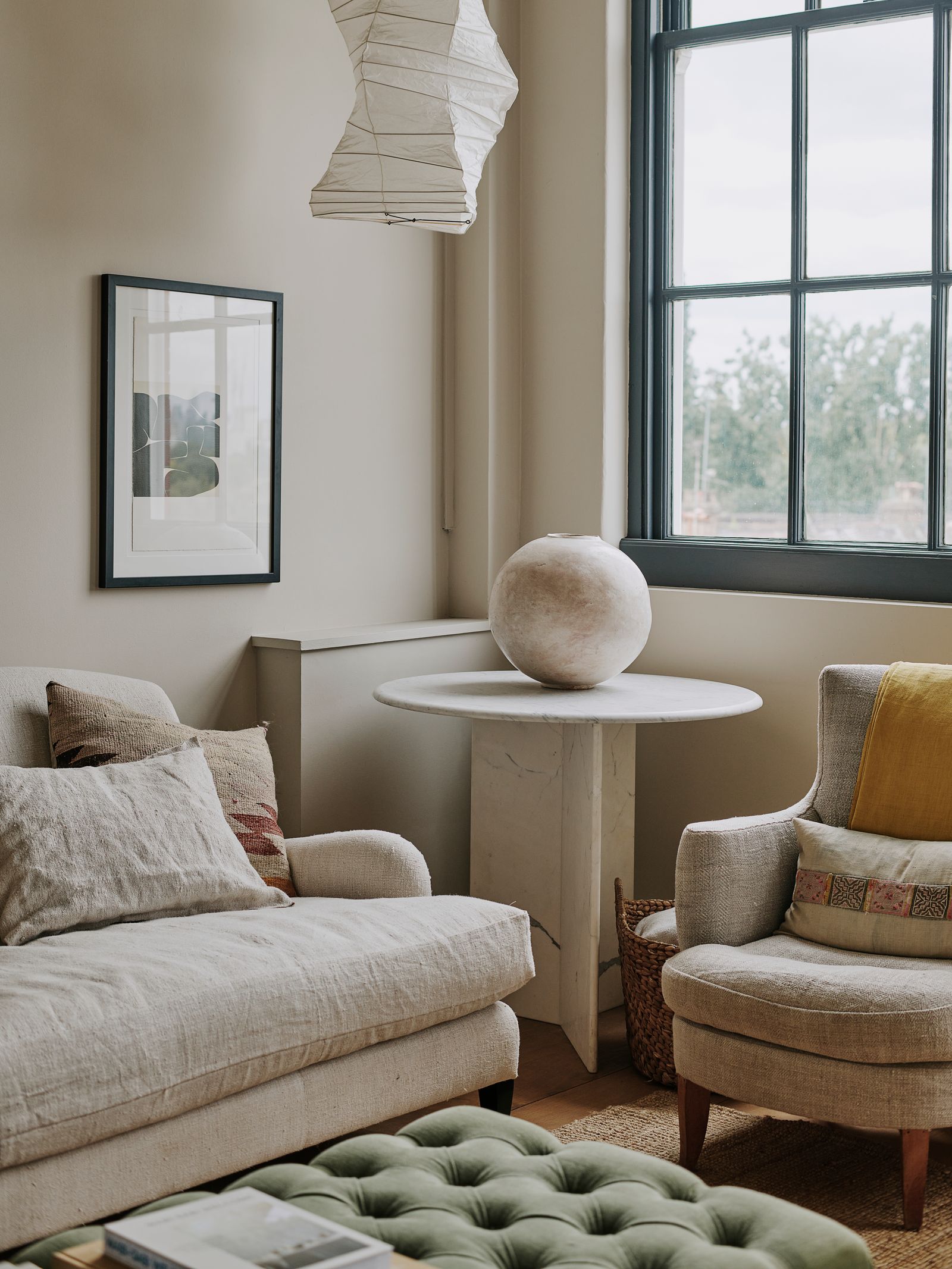
Linen: is there a more storied textile? A history stretching back tens of thousands of years, associated with wealth and purity, used everywhere from the altar to the scullery, for art, for clothes and of course, to adorn our homes. At House & Garden, we have much admiration for linen. It’s a textile that with its rumples and folds resists perfection but rewards you with its longevity.
While we have mostly written about linen in the contexts of bedding and tableware, the houses we feature have displayed myriad fun, clever and imaginative uses for this extremely versatile textile. Here we take a look through our extensive archive to see how homeowners, designers and decorators have embraced linen's texture, the coarseness that becomes pleasantly pliant with age, and its wrinkled charm that imparts a sense of welcoming easy-goingness. Some of our favourite designers and decorators give advice on how you can use the hardy textile well too.
Alongside its history, the intensive, slow production process, the rarity of quality flax (from which it is made), and the high level of craftsmanship makes linen an attractive textile to use. For fine textiles designer Bernie de le Cuona, high quality linens are now ‘akin to the world’s finest cashmere.’ And then there is its unique texture. ‘Every crease and wrinkle tells the story of linen and its authenticity and sophistication. It is a grounded cloth that breathes and softens with age.’
Interior designer Thea Speke finds linen to be ‘wonderfully tactile and also timeless in an interior, with a natural and quiet elegance.’ Interior designer Jessica Summer also favours linen for its texture. ‘I have always used linen as far back as I can recall in interiors. The texture, the handle - how it hangs- are all part of the appeal,’ she says. ‘I love that it has a relaxed, organic look adding subtle texture to a space.’
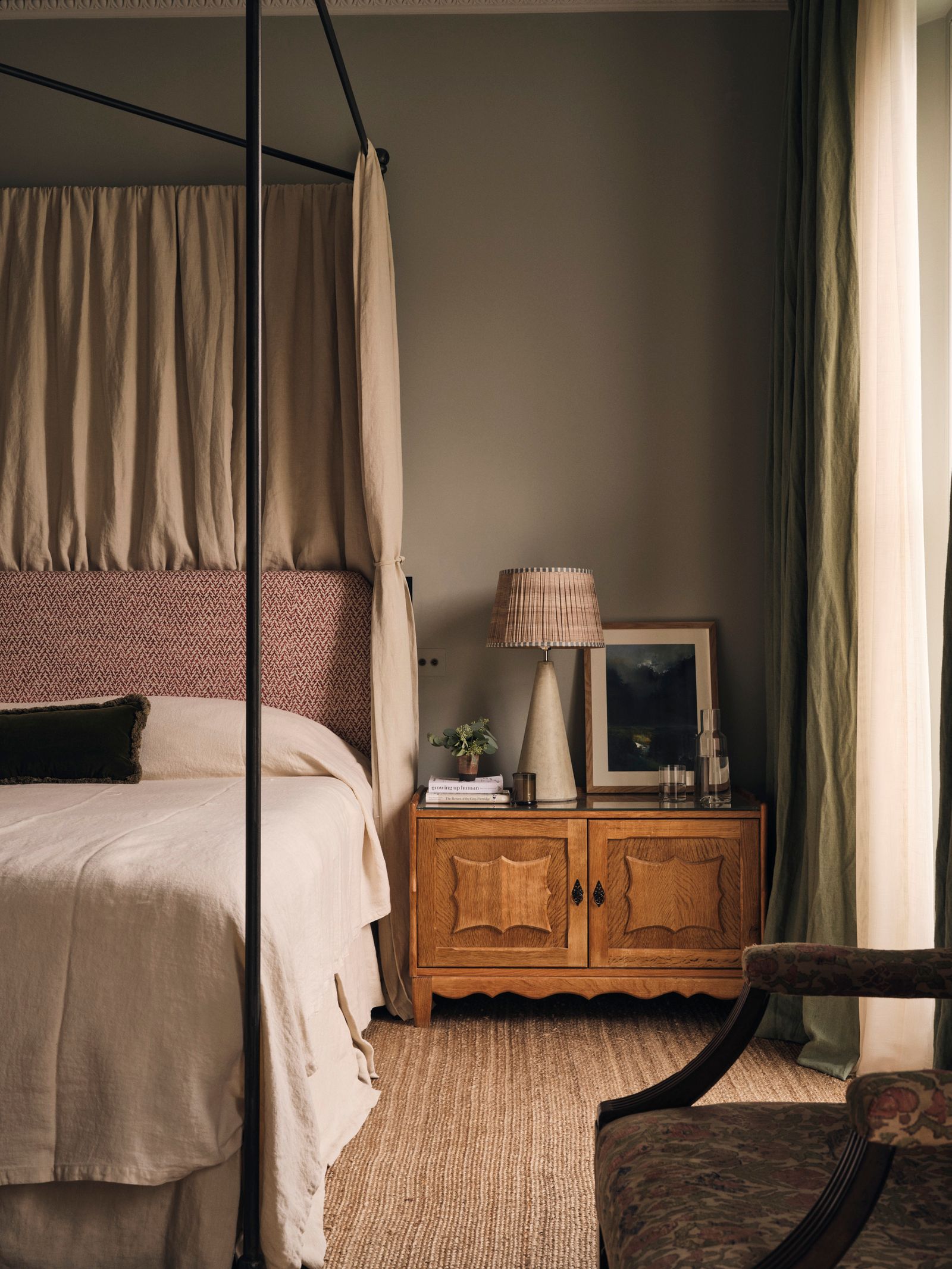
However, it is not just the texture that makes linen such an attractive material. For Lucy Mayers, decorator at Sibyl Colefax & John Fowler, its eco-friendly credentials are also a plus. ‘I love working with 100% pure linen because for a good quality plain fabric it is still relatively inexpensive and so much better for the environment than a lot of alternatives. Flax (the crop from which linen is derived) is sustainable and a brilliantly hardy plant that requires very little water to grow.’
Linen's capacity to absorb colour is also a boon. Ecru, a word for that hard-to-define colour that sits between beige, cream, yellow and grey, was originally used referred to unbleached linen, meaning ‘raw’ or ‘crude’ in French. It’s probably what still springs to mind if someone mentions linen but the material can be dyed to create deep rich hues, or light, more subtle shades.
While opting for a paler shade for the curtains in her own room, Jessica also admires linen's chromatophilic nature. ‘I think the colours as well can come out so beautifully, more so than cotton, the texture gives extra depth to the hues’ says Jessica. ‘Linen takes colour so well,’ agrees Top 100 interior designer, furniture maker and antique dealer Max Rollitt agrees. ‘My feeling is that it’s taken over somewhat from cotton as a material to print on,’ he says ‘but I tend to use solid-colour linens as a means of adding texture and movement, in the way it falls or the weave of the fabric itself.’
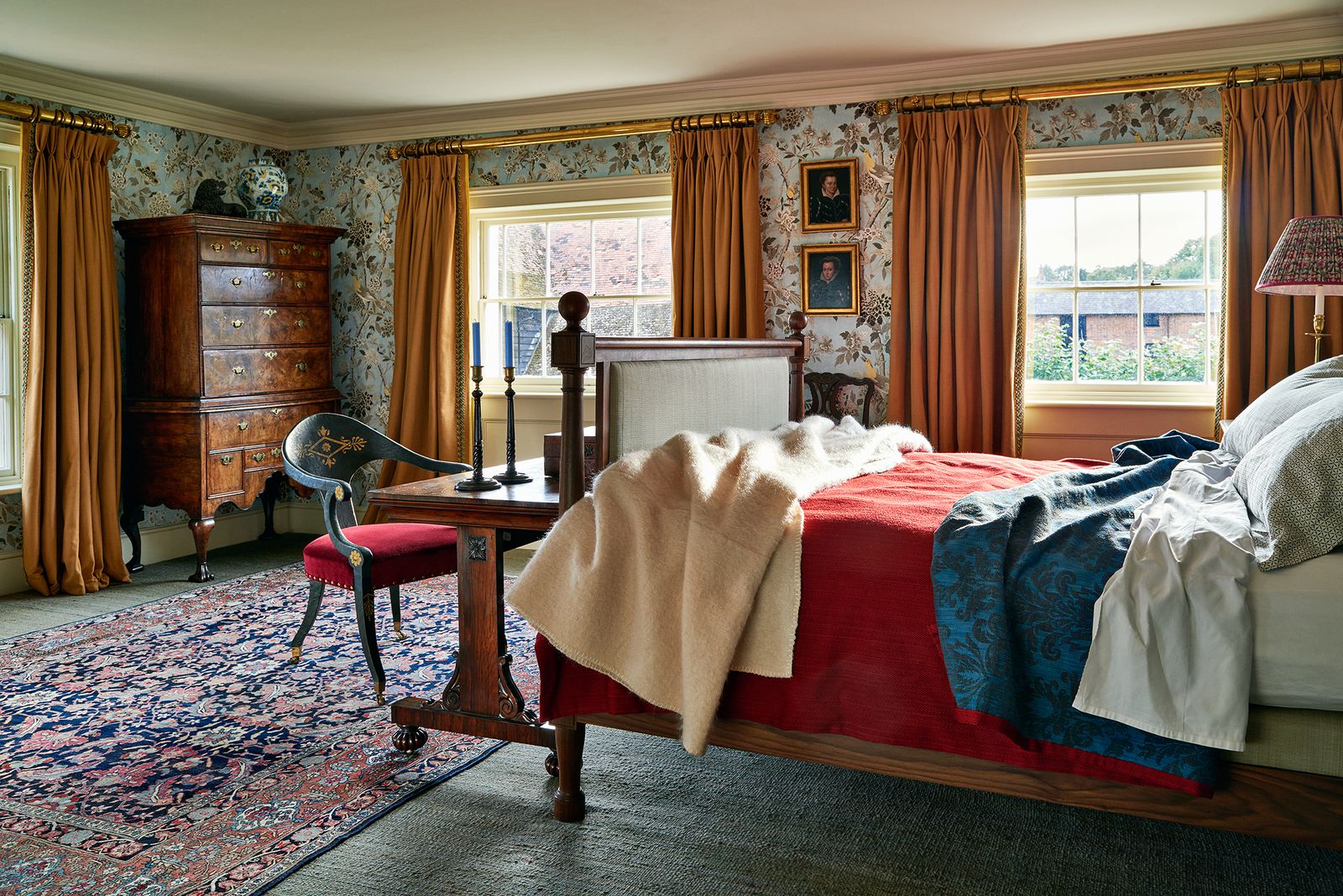
It's linen's adaptability that makes keeps interior designers and decorators coming back. ‘With linen, it’s about elevating with textures instead of one ‘tah dah’ print,’ says Bernie. ‘Linen is very versatile. It has different weights, transparencies and tones meaning you can dress a whole room from the finest sheers and weighty curtains to heavy hardwearing upholstery. The naturally anti-bacterial and hypoallergenic qualities of linen make it perfect for use in living spaces.’
Thea echoes this appreciation. Rather than offering a single look, linen opens up a world of choice — something she leans into when selecting pieces for her projects. ‘There is a such a range when it comes to linens, often I choose antique linen for smaller upholstery pieces such as ottomans, benches and cushions – it has great texture and variation in tones and weave that reads beautifully across a surface.’
For those who are thinking of using printed linen, Lucy Mayers, decorator at Sibyl Colefax & John Fowler, has some advice on how to get the best colour quality. ‘With printed linen, if the budget allows I would always choose hand screen printed linen over digital printing. This may be a biased view but it feels like the dye penetrates better.'
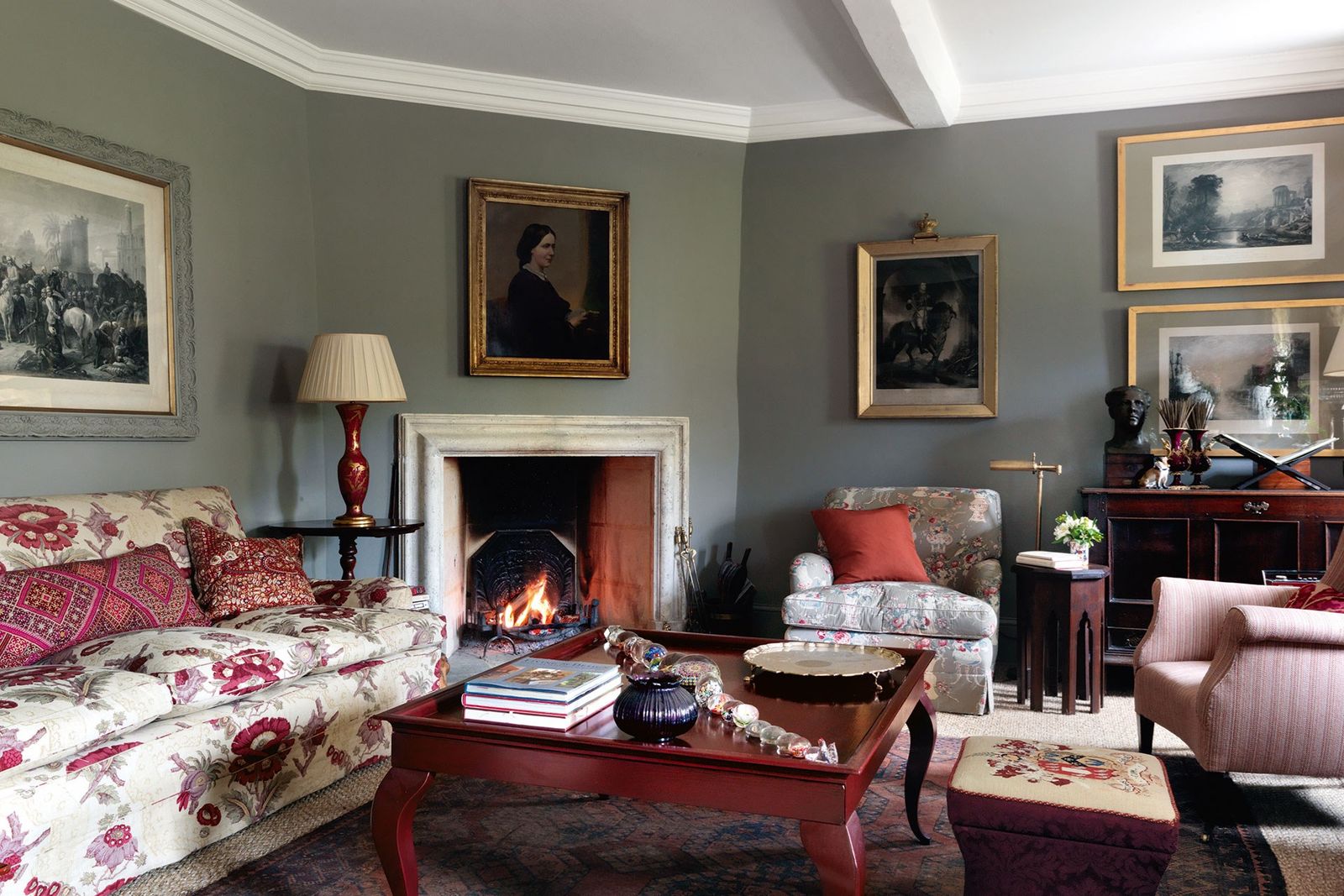
Drapery, is another place, linen appears over and over. ‘Linen hangs exquisitely as drapery, it holds shape without stiffness, says Angus Buchanan, Co-founder and Creative Director of Buchanan Studio. ‘It only improves with age as it relaxes and becomes even more beautiful.’
For Lucy, linen is a great fabric choice ‘for unlined curtains in warmer climes as it is both cooling and breathable’. ‘Lighter weight linens in pale colours cast a soft and flattering light, ideal for lightly lined or unlined window treatments,' says Chloe Willis, associate director at Sibyl Colefax & John Fowler. ‘The diffused light through my yellow blinds in my old sitting room made it feel sunny even on dismal days.’ But what is also good to remember when using linen to dress windows ‘in sunny climes is how volatile it can be with hot windows and air conditioning,’ says Chloe. ‘Pure linen can ripple, shrink or drop, so it’s better to use a mix in this situation for stability.’
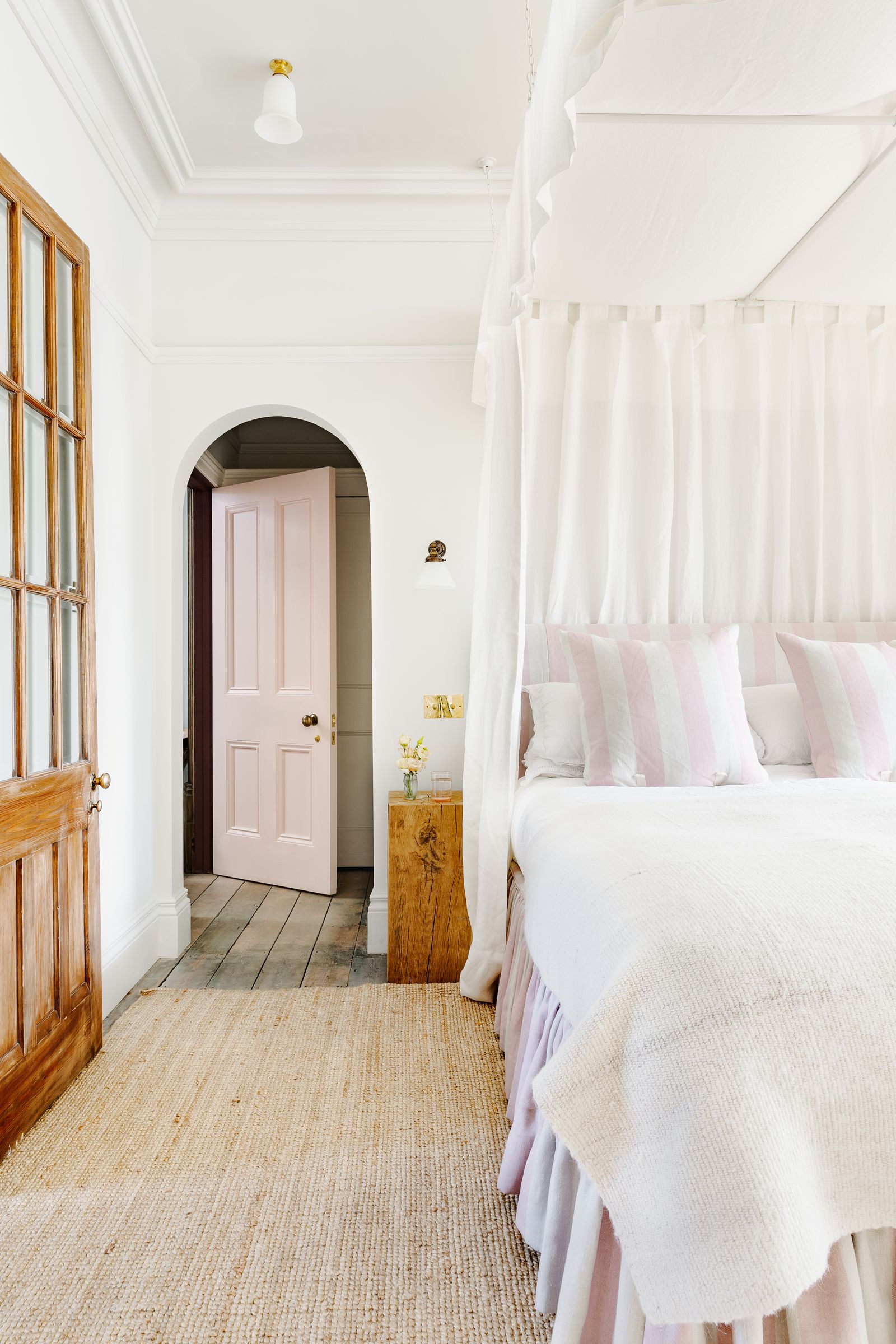

When Angus and Charlotte Buchanan came to transform their Edwardian house in north-west London, they used linen liberally. ‘We absolutely love linen - in fact, we can’t think of a single project that hasn’t included it in some form,’ says Angus. ‘It’s a material that brings both soul and practicality to a space. We use it everywhere: on upholstery, curtains, cushions…even walls. It has a softness and tactility that feels instantly inviting, and a natural movement that gives a room life and texture.’
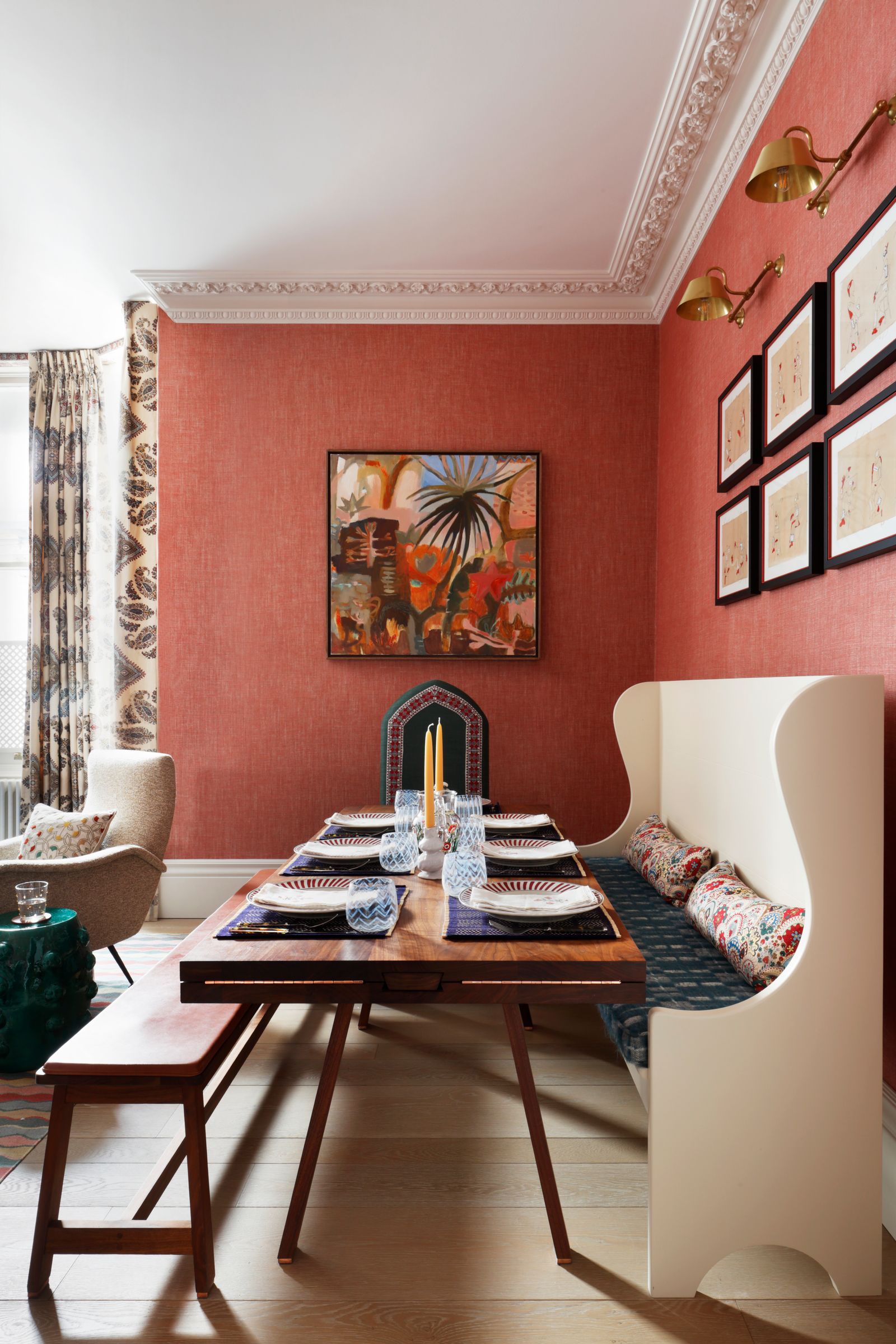

The misconceptions about linen, mostly thanks to its appealing crumpling, might make people miss out on its potential. ‘It might not be thought of something to use in a formally designed room, some may also think it’s more ‘country’ - but a lighter weight linen is delicate and can look very refined,' says Jessica.
Whether it is used to upholster a sofa, to give it an informal, relaxed style, or used in the bathroom as a shower curtain to bring texture, what is clear is that many interior designers admire linen for its inherent properties, regardless of its ability to be transformed.
‘We always prefer our linens in their most natural state. We embrace, and truly celebrate, the slubs, the slight imperfections, the subtle variations that make every metre unique. That honesty and integrity is what makes it feel special,’ says Angus. Echoing Angus, Bernie champions linen almost as an underdog fabric coming up against the ubiquitous cotton. ‘We need to appreciate the beauty of imperfection. Only machines using synthetic yarns can make a perfect piece of fabric. The beauty of the linen craft is in its relaxed, unrefined natural beauty.’


