

By definition, since the moment of the death of the Queen in September, her eldest son Charles has been King of Great Britain and Northern Ireland. But Charles III still has to be crowned – not “coronated” – in Westminster Abbey, as his mother was in June 1953. Buckingham Palace announced further details of the coronation, including the procession route, the invitation designs and the guest list.
It takes a long time to arrange a coronation, as the UK last found 70 years ago. The Queen’s father George VI died in February 1952 (viewers of The Crown will know that she was in Kenya at the time, and that Prince Philip was the one to tell her). However, it took more than a year to arrange her coronation, which went ahead in June 1953.
King Charles ascended to the throne on 8 September, the day of the Queen’s death, and he was proclaimed King on Saturday 10 September, marking two of the major events in the process of a new monarch coming to the throne. However, preparations for the ceremonial coronation service take considerably longer, as thousands of people are invited to the event including almost all the heads of state in the world, and tens of thousands more will line the many streets that will be closed in London for the King’s procession to the Abbey.
What time and date is the king's coronation?
The date of the coronation is Saturday May 6, 2023, with the ceremony taking place from 11am at Westminster Abbey and the flypast ending the day's events around 2.30pm. See our full timetable and TV guide for the Saturday. Or if you're planning to see the procession in person or on a big screen, these are the places in London to make a beeline for.
.jpg)
Where can you watch the coronation?
You won't have to look too far. For viewers watching from the UK, the coronation will be televised across Britain's main broadcasters, including BBC, ITV and Sky. Expect a similar amount of coverage in the US. BBC America and major US networks like CNN and NBC will all be covering the coronation in the states. ABC News and Good Morning America will be showing from 5am-10am ET on ABC and streaming live on ABC News Live.
MAY WE SUGGEST: Where to watch King Charles' coronation in London and on the big screens
Is King Charles' coronation a bank holiday?
Yes! Since the coronation takes place on a Saturday, the Bank Holiday will fall on the following Monday, May 8. The Queen’s state funeral took place on Monday 19 September and was a Bank Holiday, as was her Platinum Jubilee, taking place over a four-day weekend, so King Charles is following a strong precedent here. Pubs, clubs and bars across England and Wales will be able to stay open for an extra two hours on Friday and Saturday of the coronation weekend.
Where will the coronation take place?
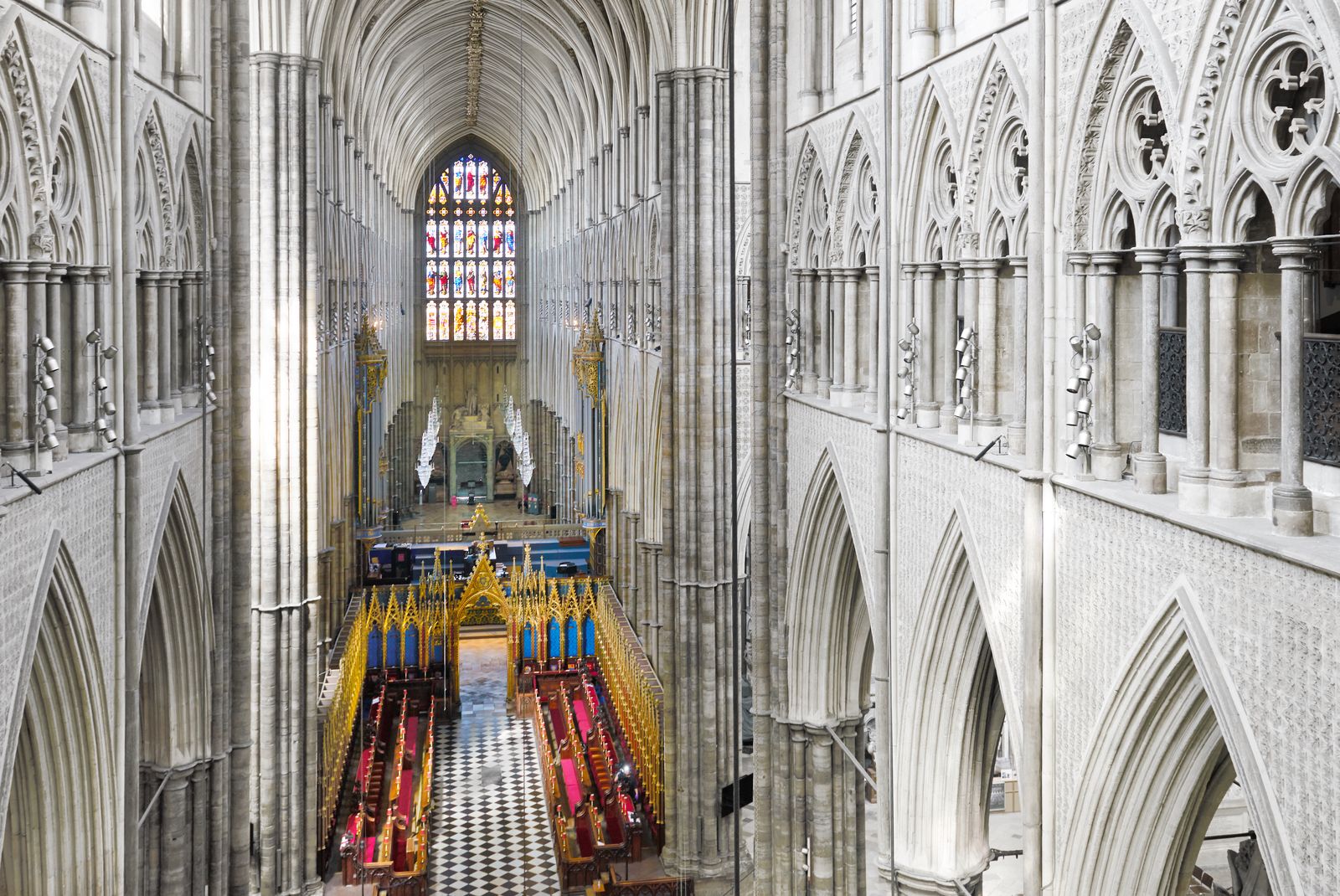
In London, specifically in Westminster Abbey. Every English and British coronation since 1066 has happened here, and it’s impossible that Charles would be crowned anywhere else. He will be the 40th monarch crowned in the Abbey – though the specific building on the site now is different to that which was used 900 years ago, having been largely rebuilt in the 13th century, with towers added at the west end by Nicholas Hawksmoor in the 18th century.
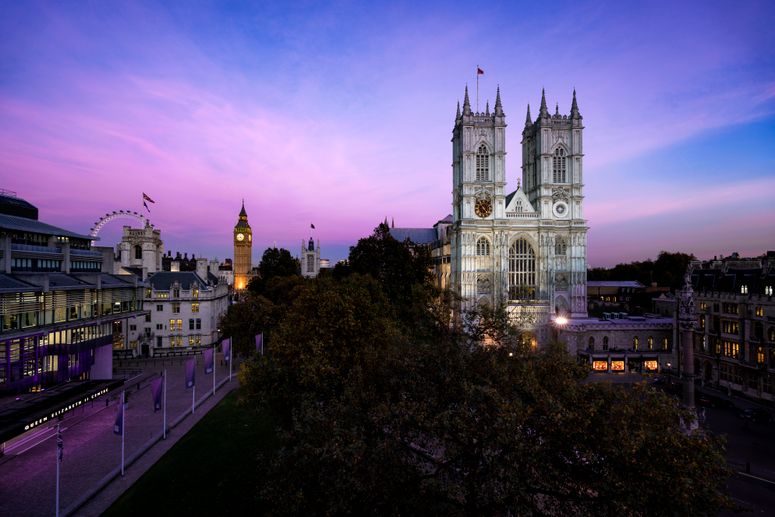
The coronation procession route

Buckingham Palace have now confirmed the procession route for the coronation, and it's much shorter than Queen Elizabeth II's was in 1953. Elizabeth’s coronation procession stretched five miles in 1953, taking two hours. In comparison, King Charles' procession is set to stretch just 1.3 miles long – just over a quarter of his mother's.
On the morning of the 6th May, King Charles III and Queen Camilla will travel from Buckingham Palace in The King’s Procession to Westminster Abbey in the Diamond Jubilee State Coach. They will then travel along Whitehall and Parliament Street, around the east and south sides of Parliament Square to Broad Sanctuary to arrive at the Abbey. The newly-crowned monarchs will then travel back in the Gold State Coach. The coach, last seen during last year's Platinum Jubilee, was commissioned in 1760 and was first used by King George III to travel to the State Opening of Parliament in 1762. The coach has been used at every coronation since William IV's in 1831. The coach will be drawn by eight Windsor Greys and, due to its weight of four tonnes, will travel at walking pace.
What will happen during the coronation?
King Charles III and his Queen Consort, Camilla, will proceed from Buckingham Palace likely in the spectacular Gold State Carriage, along the streets of London to be seen by the public, until he reaches the Abbey. Here, heads of state, representatives of the Commons and the Lords, and leading archbishops, bishops and other members of the Churches of England and Scotland will be present. This procession to the abbey is known as ‘The King’s Procession’.

Once in the Abbey, there are six stages to the service itself.
Stage 1: the recognition
Things begin with ‘the recognition’, in which the Archbishop of Canterbury presents the monarch to the congregation, who return the response “God Save the King” to the accompaniment of trumpets.
Stage 2: the oath
The King then swears an oath to defend the faith (the Church of England), and the law.
Stage 3: the anointing
The King then sits in the wooden Coronation Chair, commissioned by Edward I in 1300 and used by subsequent royals, for the anointing, in which his head, chest and hands are anointed with holy oil.
Stage 4: the investiture & the crowning
Following this is the investiture, in which the King is given the objects symbolic of his power, the orb and sceptre; the pièce de resistance is the placing of St Edward's Crown on his head.
Stage 5 & 6: the enthronement & the homage
Finally the King moves to the throne, and the peers of the realm kneel to pay homage to him. Queen Camilla will also be anointed and throned in the same way.
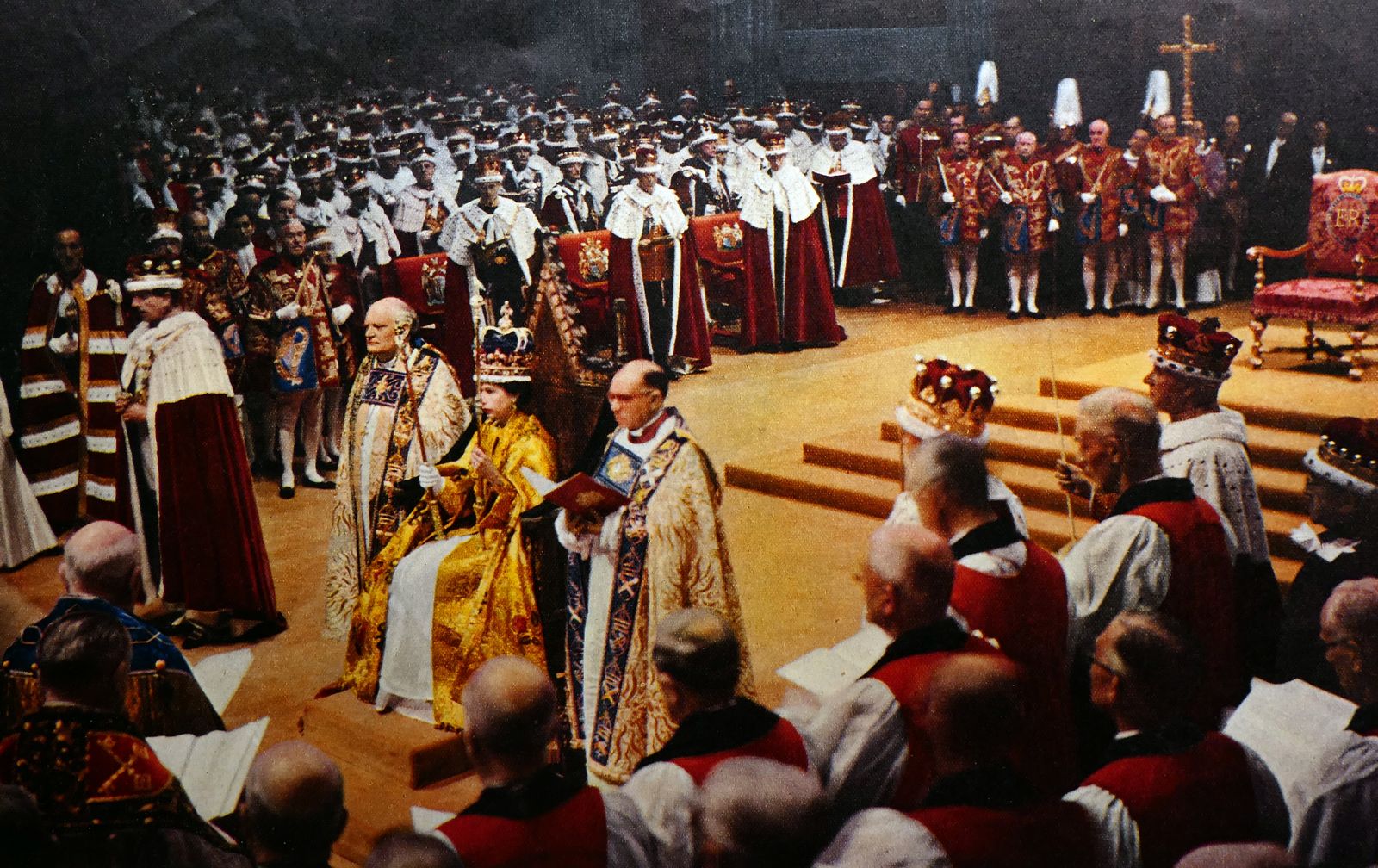
Under the Coronation Chair will be the Stone of Scone, the historic stone on which Scottish kings and queens were crowned, which was stolen by Edward I, but returned to Edinburgh in 1966 on the proviso that it be given back for subsequent coronations – of which Charles’ will be the first.
The peers of the realm will probably play a considerable role in the coronation, as they have always done in the nation's history. Members of the aristocracy had to submit claims to the Coronation Claims Office before February 3, making a case for their hereditary right to perform offices during the service, such as carrying one of the King's swords, bearing a standard, or even tasting his wine. Claims usually rest on an ancestor having performed the role at some time in the past, and there can be conflicting claims: The Times reports that two Lords were granted the right to carry the golden spurs that form part of the coronation regalia during the Queen's coronation in 1953, both of them being descended from the man who did it for Richard I in 1189, and ended up carrying one each. The roles available have changed over the centuries, so it is unclear who will be allowed to do what during this service.
After the service, the King and Queen will proceed back to Buckingham Palace in an even more elaborate procession known as ‘The Coronation Procession’, and will then appear on the balcony at the front of the palace with members of their family .
Buckingham Palace has announced that“The Coronation will reflect the monarch’s role today and look towards the future, while being rooted in longstanding traditions and pageantry.” It is rumoured that the King will put in place a somewhat smaller scale celebration than the Queen's, which saw 8000 people packed into the Abbey (its usual capacity is around 2,200) and lasted almost three hours. The then-Prince Charles was four at the time. This service is expected, by contrast, to last about an hour and a half.
What crowns will King Charles and Queen Camilla wear?
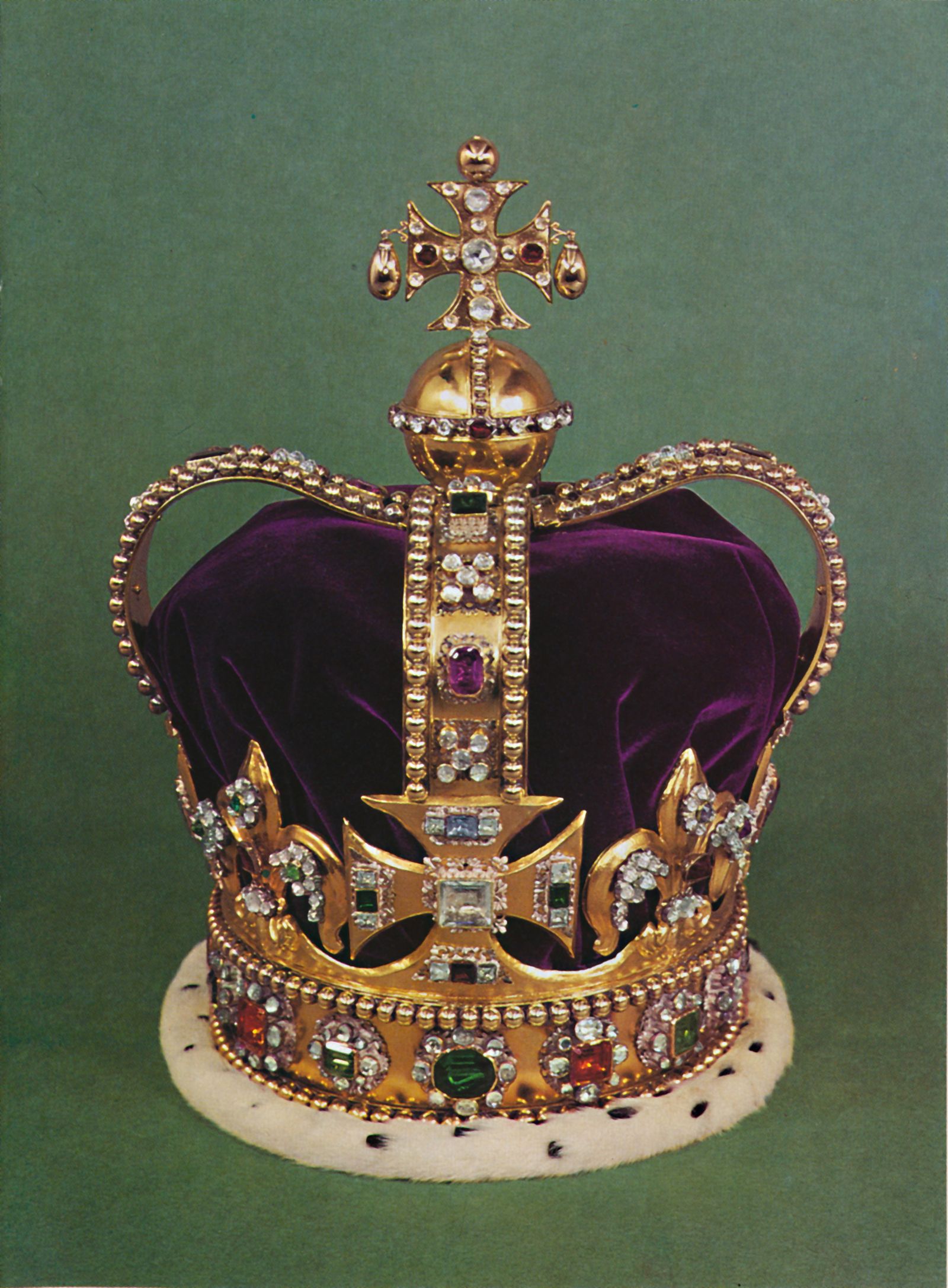
King Charles will be crowned, according to tradition, with the centuries-old St Edward's Crown. Named for St Edward the Confessor, versions of this crown have been used to crown English and British monarchs since the 13th century, and its current incarnation was made for King Charles II in 1661, after the original was melted down during the Civil War. Made of solid gold, it is decorated with a grand total of 244 precious stones.
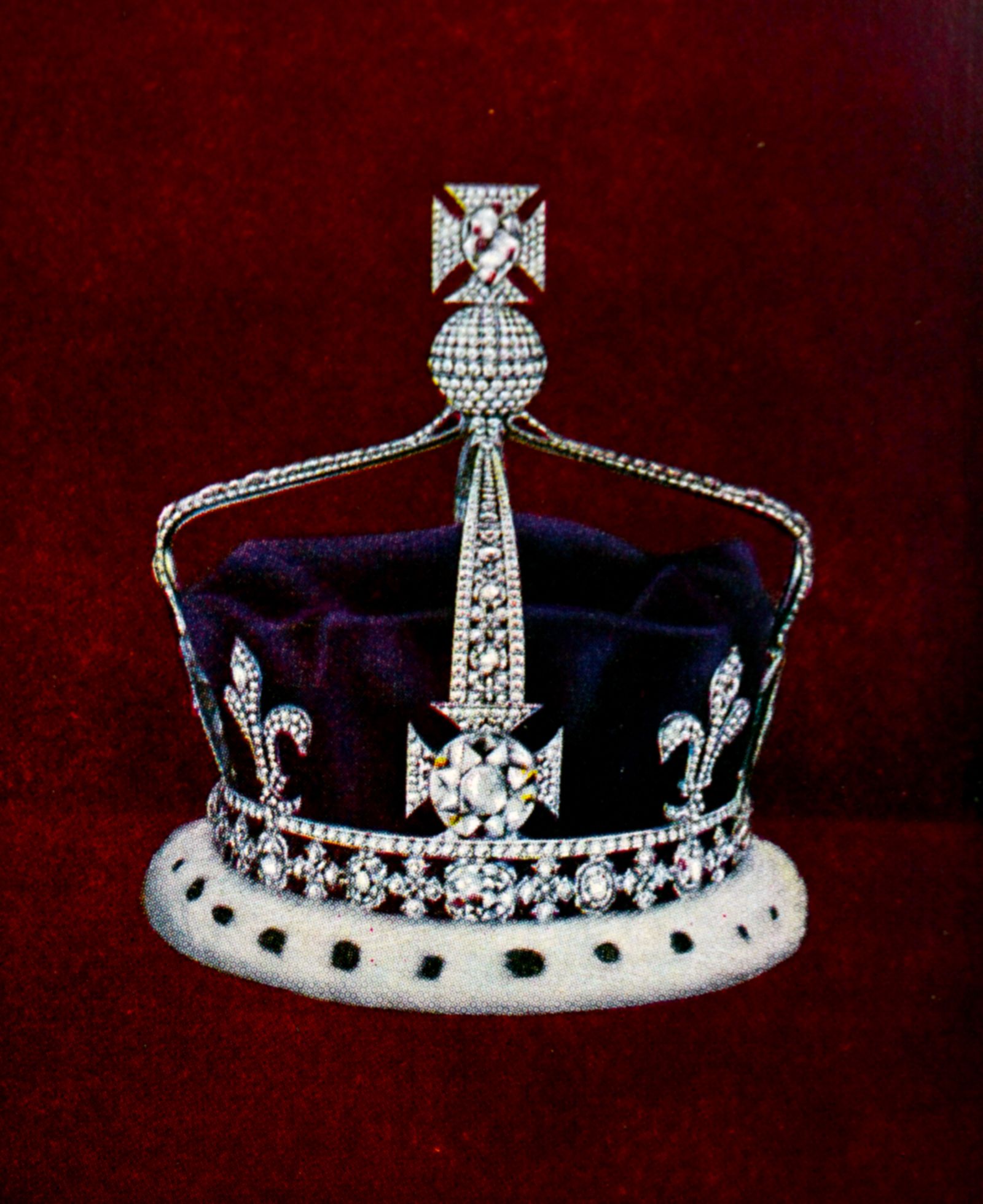
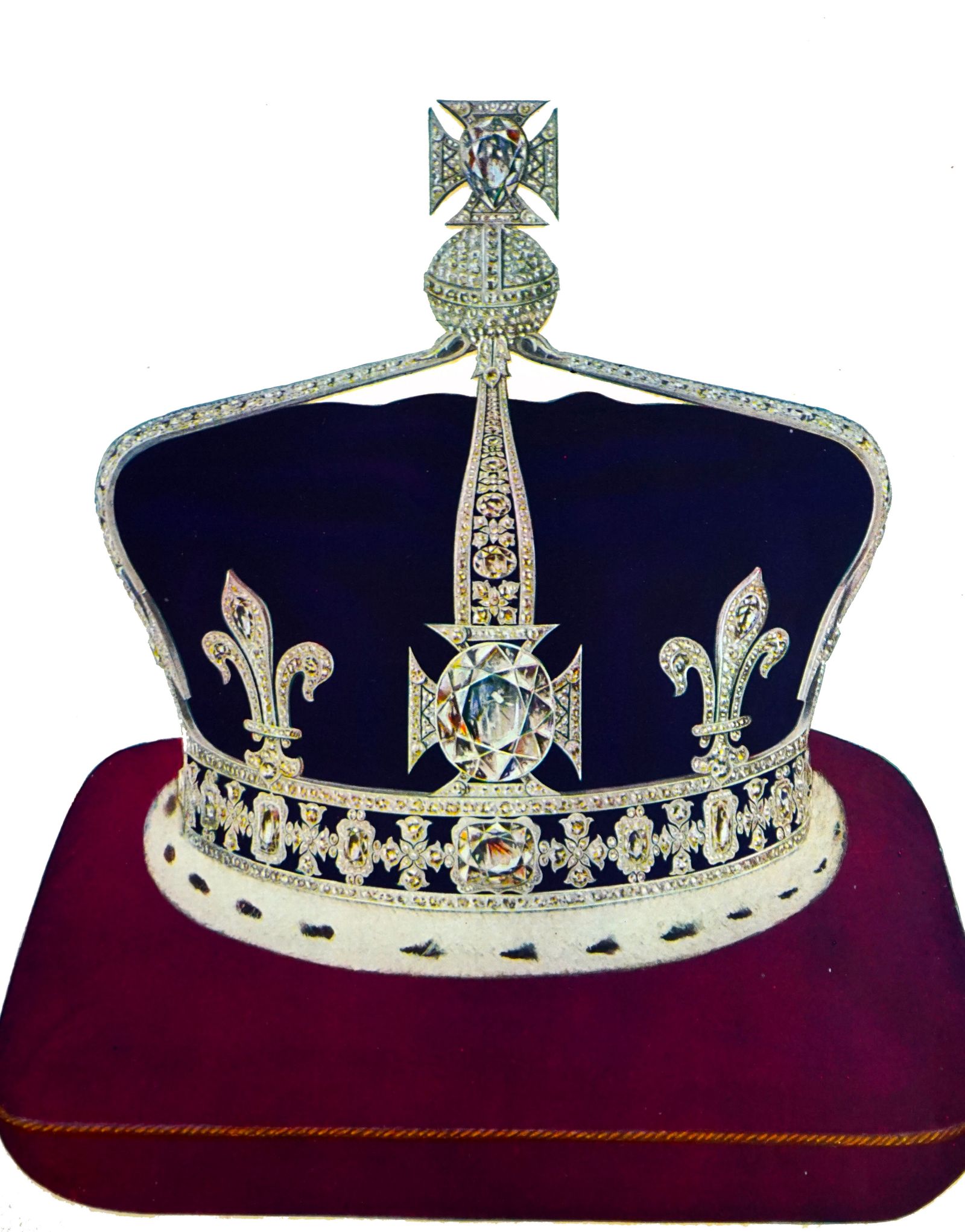
Queen Camilla has chosen to wear Queen Mary's crown, which “is composed of a silver frame, lined with gold, and set with 2,200 diamonds,” according to the Royal Collection. She has rejected the main favourite, the late Queen Elizabeth the Queen Mother's crown, a platinum frame set with 2,800 diamonds, including the notorious Koh-i-Nûr diamond, given to Queen Victoria by the Sultan of Turkey in 1856). The diamond has a rather bloody history, having been fought over by the Mughal and Persian rulers of India in the 17th and 18th centuries and eventually forced out of the Punjabi rulers' hands by the British East India Company in the 1850s.

What music will be played?
King Charles has long been known for his passion for classical music, even appearing on Radio 3's show Private Passions in 2018 to discuss his favourite pieces of music. His choices for the coronation service at Westminster Abbey reflect longstanding relationships with many composers and musicians. The legendary composer Andrew Lloyd Webber is taking charge of the coronation anthem, an emblematic piece of music that will reflect the life and times of the King. Film and TV composers Debbie Wiseman and Patrick Doyle – the former was the musical director for the Platinum Jubilee and the latter has worked on music for films as diverse as Sense & Sensibility and Thor – are also working on pieces.
The diversity of the UK's cultural offering will also be celebrated, with pieces composed by two black British musicians, Roderick Williams and Shirley J Thompson, and a solo by the famous South African soprano Pretty Yende, who regularly performs at the Royal Opera House. Girl choristers from the Methodist College in Belfast and Truro Cathedral will perform, balancing out the male singers of the choirs of Westminster Abbey and the Chapel Royal. These will be joined by members of the Monteverdi Choir led by renowned conductor John Eliot Gardiner, and a specially commissioned gospel choir, The Ascension Choir, will also participate. The service will feature a performance by the Byzantine Chant Ensemble, seen as a tribute to the King's father, the late Prince Philip, who was Greek by birth.
What is Prince George's role at the coronation?
As one of four Pages of Honour for the king, the nine-year-old future king is playing an official role at the coronation. His main task will be carrying King Charles’s robes alongside three other Pages of Honour. Both King Charles and Camilla each have four Pages of Honour supporting them on the day of the coronation. The King’s pages are: his grandson George; Nicholas Barclay, grandson of Sarah Troughton, one of the Queen’s Companions; Lord Oliver Cholmondeley, son of the Marquess of Cholmondeley, also known as filmmaker David Rocksavage, and a friend of the Prince of Wales; and Ralph Tollemache, 12.

Who is invited to the coronation?
While Queen Elizabeth's coronation packed more than 7000 people into Westminster Abbey in 1953, King Charles is slimming things down to a more manageable 2000. The usual capacity of the abbey is 2200, so the organisers will surely be relieved not to bring in the extra chairs.
King Charles is also breaking with tradition this time around by inviting other monarchs to the ceremony; given that the coronation is thought to mark a contract between the king or queen and their people, other crowned heads of state have not generally been invited. European royals are likely to be high on the list: Prince Albert of Monaco has already publicly said he's coming, and we can expect the royals of Spain, Denmark and the Netherlands, among many others.
Many of the other guests will be peers of the realm and representatives from government, alongside members of the extended royal family, of course. Queen Camilla's family are playing a part too, with her grandsons set to be page boys in the ceremony. It is still unclear whether Harry and Meghan, the Duke and Duchess of Sussex, will attend. Now that their English house, Frogmore Cottage, has reportedly been offered to Prince Andrew, their ties to the UK seem to be coming to a close.
The coronation invitations have now officially been released, and pays homage to the new monarch's love for nature.
What other events are taking place?
Produced and broadcast by the BBC, the Coronation Concert will take place at Windsor Castle on the East Lawn, and will see a full orchestra playing renditions of ‘musical favourites’, alongside elements of dance. The concert is billed as a celebration of diversity, featuring the new ‘Coronation Choir’, a group specially assembled from community choirs around the UK, including representatives from LGBTQ+ ensembles, refugees, Deaf choirs and members of the NHS. A ‘Virtual Choir’ composed of Commonwealth members will also feature, alongside ‘stars of stage and screen’ offering spoken word performances. A major element of the evening will be ‘Lighting up the Nation’, in which various landmarks around the country will be lit up with light shows and laser projections. The King and Queen will be in attendance at the Windsor concert of course, and a national ballot is being organised to assign tickets to random members of the public.
If you're thinking about organising a coronation street party, this is the day to do it, as the community organisation ‘The Big Lunch’, which also organised celebrations for the late Queen's Platinum Jubilee, gets behind a national party on the Sunday of the holiday weekend. As you get out your bunting and start making your finger sandwiches, visit coronationbiglunch.com to get free resources to help you plan the day.
The King and Queen, like Queen Elizabeth II before them, are well known for their dedication to public service, and on the Sunday of the bank holiday weekend, they're encouraging members of the public to try their hand at volunteering and helping those less fortunate in the community. The day is being organised by The Together Coalition, so stand by for more information about how you can get involved.
What is the coronation emblem for King Charles?
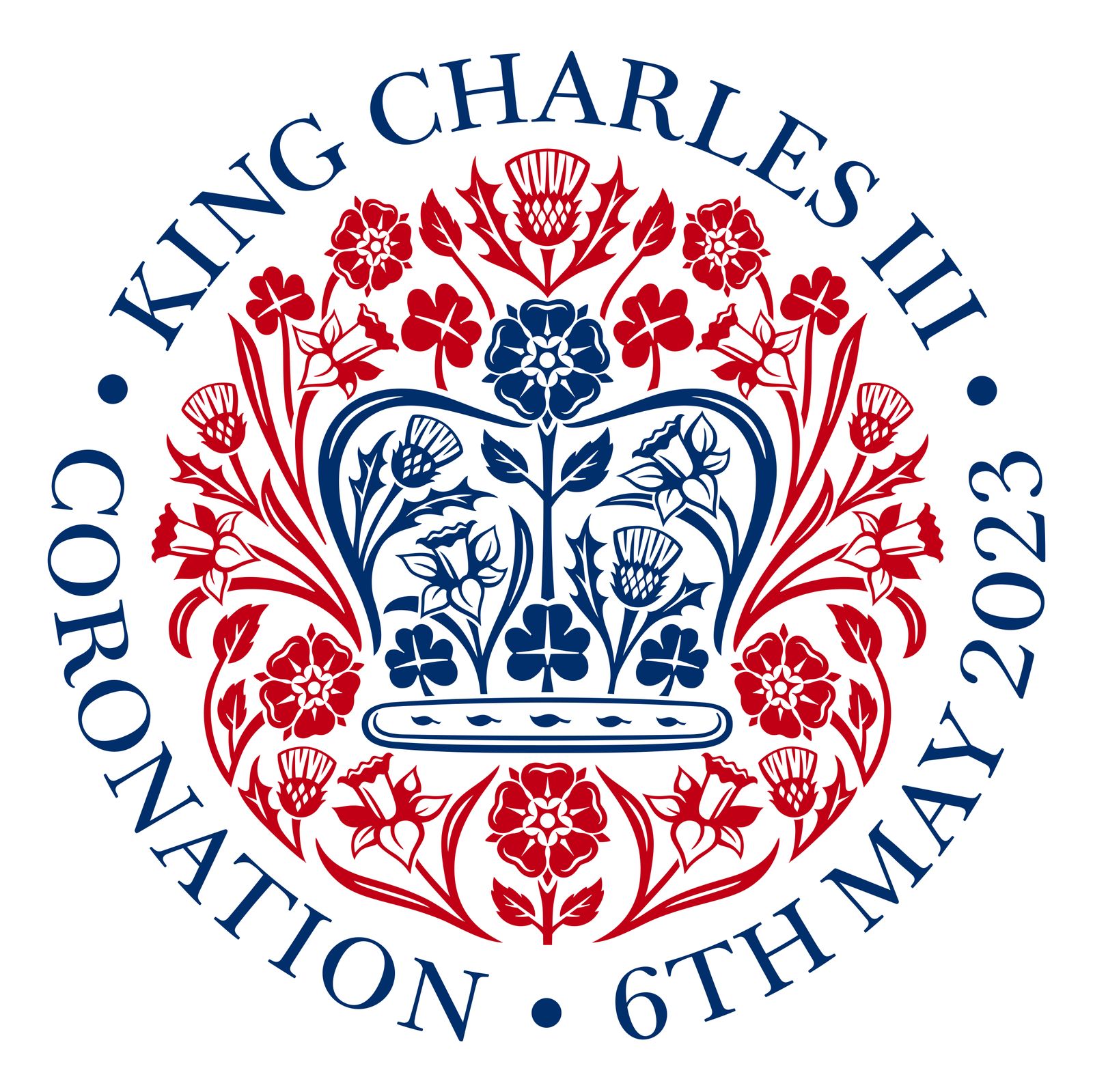
In February King Charles released his coronation emblem, which will feature on merchandise and event promotions throughout the country. Designed by Sir Jony Ive, formerly the Chief Design Officer at Apple, it features the flora of the four nations of the United Kingdom, the rose of England, the thistle of Scotland, the daffodil of Wales and the shamrock of Northern Ireland, wound together in the shape of St Edward's Crown and drawn in the red, white and blue of the Union Jack.


