
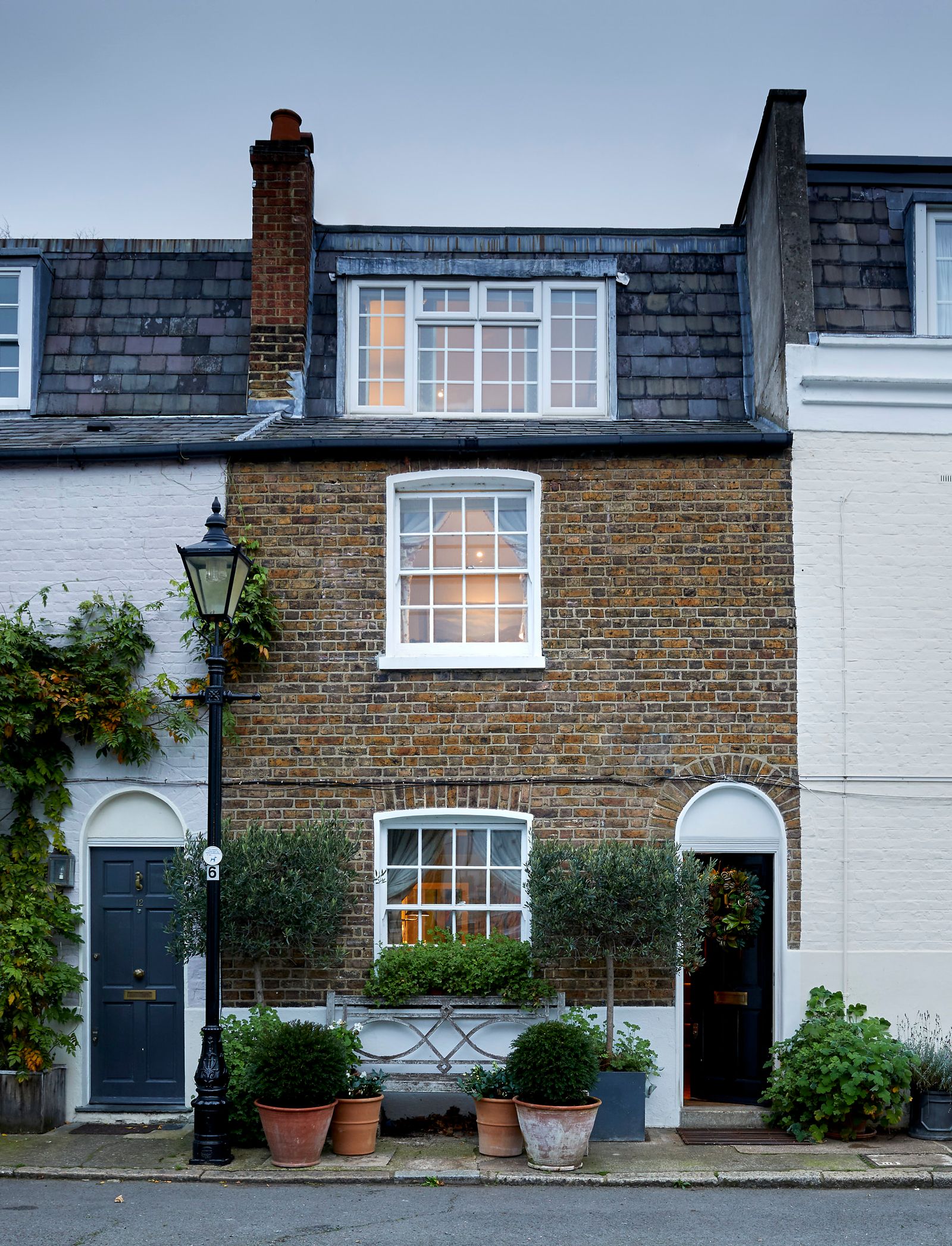
There is more than a whiff of the Wild West in the UK’s house buying process meaning your mantra should always be ‘buyer beware’. While most estate agents are trustworthy, there is almost nothing to stop a cowboy trying to hoodwink inexperienced buyers into forking out thousands of pounds in fees before discovering they are trying to purchase a blighted property, so it’s always best to know how to identify flaws for yourself.
Here we find out how to distinguish between genuine red flags that will send you into bankruptcy or breakdown trying to change, and things that might look awful, but are relatively easy to remedy.
Bad taste can be fixed – but don’t over pay for it
‘It's easy to get swept away by the current owner’s stuff and style but remember, it'll all look very different when you collect the keys and enter an empty property,’ says John McDavid, co-founder of buying agency Sekforde Property.
‘On the flip side, don’t pay over the odds for someone else’s taste if you’re going to rip it out anyway,’ he cautions. Better to replace tired bathrooms and kitchens in a property that has been priced accordingly than pay for the previous owner’s bathroom refit and then pay for your own as well.
Don’t buy a house where the fundamentals need to be changed
Things you won’t be able to fix with any degree of ease, speed or budget limitation include the layout, ceiling heights, size of windows and orientation of rooms. If any of these elements are wrong – and changing them isn't within the budget – then the property should be a no-go. The good news is that ‘once you know what you want to avoid you can quickly discount properties just by looking at the floorplan,’ says John.
Don’t buy a home with a north-facing garden
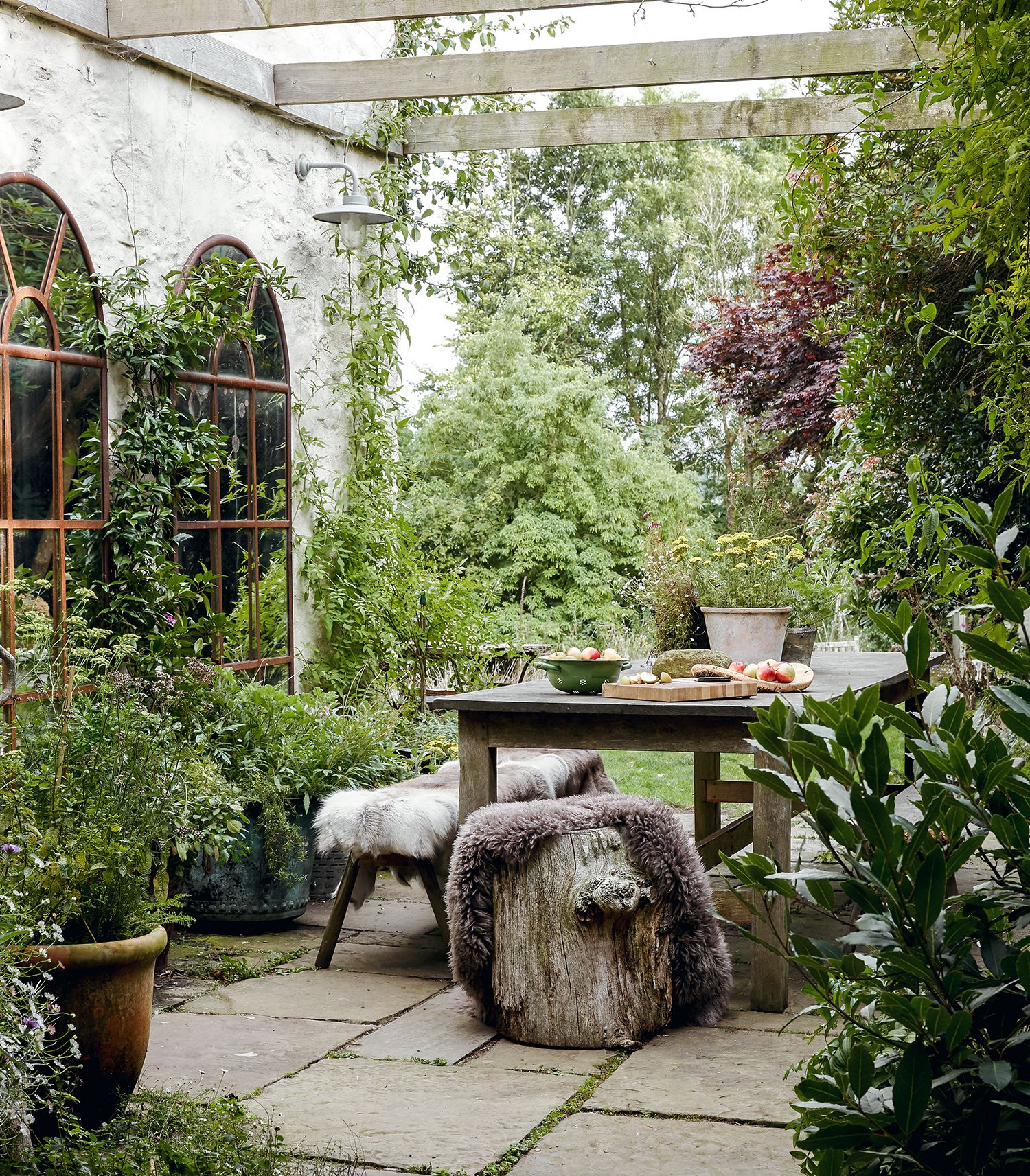
‘Unless you are one of the very few people who will be unfazed by having a perpetually gloomy garden – a fern collector, perhaps – you are likely to be disappointed with a garden that never gets the sun,’ says Lucinda Eaton of buying agent Property Vision.
Equally think about what time of day you would most like to enjoy your outside space, adds interior designer Phoebe Hollond. ‘If you’re someone who loves hosting dinners or lunches and your garden is facing the wrong way, you’re stuffed. We lose the sun at 2pm and there’s nothing we can do about that. There’s beautiful light at breakfast!’
Don’t buy a house if you are unclear on the planning details
There are some things that even a bottomless bank balance can’t beat and one of those is your local council’s planning department. ‘Always get advice on planning before you buy because you need to know how likely it is that you will be able make the changes you want,’ says Lucinda.
Phoebe concurs: ‘A lot of listed properties have things like old beams, which I think are beautiful but some people find claustrophobic. If that’s you, you don’t want to discover that you can’t strip them out, so do research.’ Ditto if a property is not listed but is in a conservation area. ‘We wanted to go up into our loft and create a Parisian-style mansard roof but it got rejected by the council because we’re in a conservation area,’ she says.
Ask questions if there are a lot of rejected planning applications on a property. ‘If other people have thought about doing structural work and haven’t been able to, maybe the property doesn’t have the potential it looks like it does,’ says Annie Harrison of interior design firm Fare Inc.
This also applies to unpermitted changes that might have been made in the past, which can land you in hot water, even if you’ve never lifted a finger against your home. ‘I know that people have had trouble getting the correct insurance or even had mortgages refused because there were some changes by the previous owners which had not been permitted. That’s a big red flag,’ says Annie.
Don’t buy an unsustainable home
‘For an increasing number of buyers the energy efficiency of a home is one of the first things they ask about. People are moving less often so they are wondering how a property is going to perform in 10 years’ time and how much they are going to have to spend on bills in the short term or on upgrades in the longer term,’ says Daniel O’Brien of Aucoot. A bad energy rating could be an even bigger downside in the future when you come to sell the property so do the sums to work out exactly how much it will cost and how difficult it will be to upgrade.
Don’t buy a generic home
Bog-standard flats are proving the most difficult to sell at the moment and if you look at past sales data you can see that a lot of sellers are reducing their asking price to what they paid a number of years ago – or less. Look at how many other apartments there are nearby like the one you are considering. If you are buying in a big block find out if all the units are very similar to each other, says Daniel.
But don’t worry if architectural details have been stripped out
‘When we first moved into my house it was very much a blank canvas where all original period features had been ripped out, with no cornicing and nasty skirting boards,’ says Phoebe. ‘For some people that would be daunting but you can quite easily and affordably reinstate architectural detailing.’
You can fix bad lighting
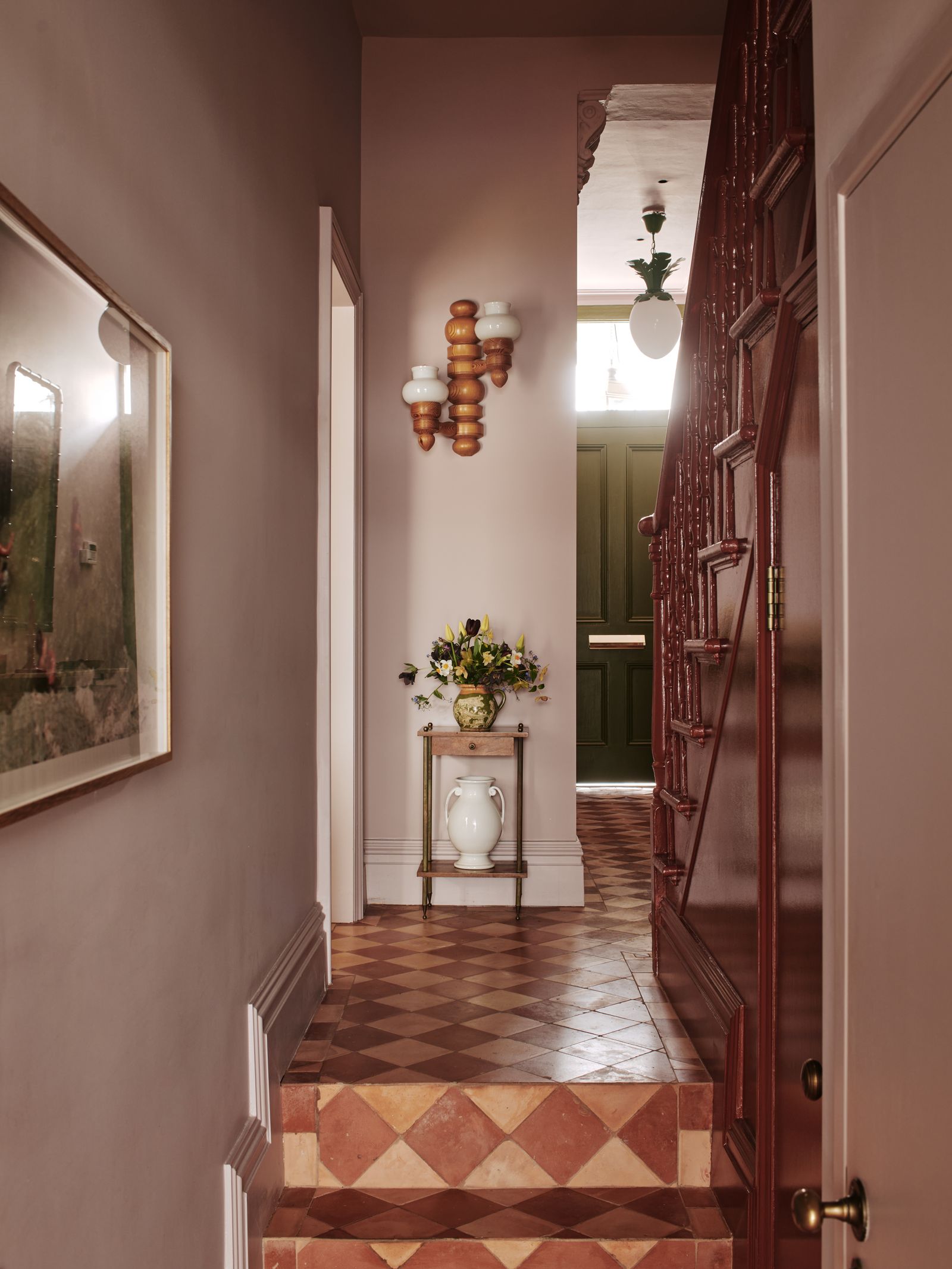
While not impossible, re-wiring a property can be an expensive and involved job, but there’s no need to go that far if you want to upgrade the lighting scheme. ‘Wall lights are a really nice way to add ambience to a room but if you don’t have the budget to re-wire and chase them in, nowadays you can get rechargeable ones that you fit to the wall and they look like they’re wired in,’ says Annie.
It's not all about what’s inside the house
You may be able to get every room just how you like it, but you have far less control over the views outside them or who can look in, says Phoebe. Those huge ground floor picture windows might not be so appealing if they face on to a busy street. Ditto a kitchen window overlooking an ugly carpark that you will have to gaze on every time you do the washing up.
Do your research into flight paths and how busy the roads are at different times of day – a quiet road might get completely jammed up at school run time, for example. This might not be an issue if you’ll be out at work all week but don’t discount how things like that could impact you. ‘Find out if any large developments are planned for the local area. While construction won’t last forever, do think about how it will affect your enjoyment of the house for some time in terms of increasing traffic and inconvenience,’ cautions Lucinda.


