

I always think it's more helpful to focus on ‘dos’ primarily, and hopefully that way a lot of the ‘don’ts’ won't come up. I tend to follow my instinct when decorating – often that is an instinct for which particular design aspect a client really engages with. Sometimes fulfilling what they want means breaking so-called rules, but context is always key – what might look fabulous in Palm Springs could look decidedly different in Helsinki!
Do lots of talking before the project begins
A successful project is one that has a consistent and natural direction. In my experience, a client can agree to things initially, but if they never love a house it may be a short-term relationship! I usually develop a clear vision of how something could turn out pretty quickly, but would expect to carefully explain this to a client. In the end, my vision has to be underpinned by the client’s idea of how they want a project to work for them. A successful relationship can continue over multiple projects, as you are able to build on all your previous discussions.
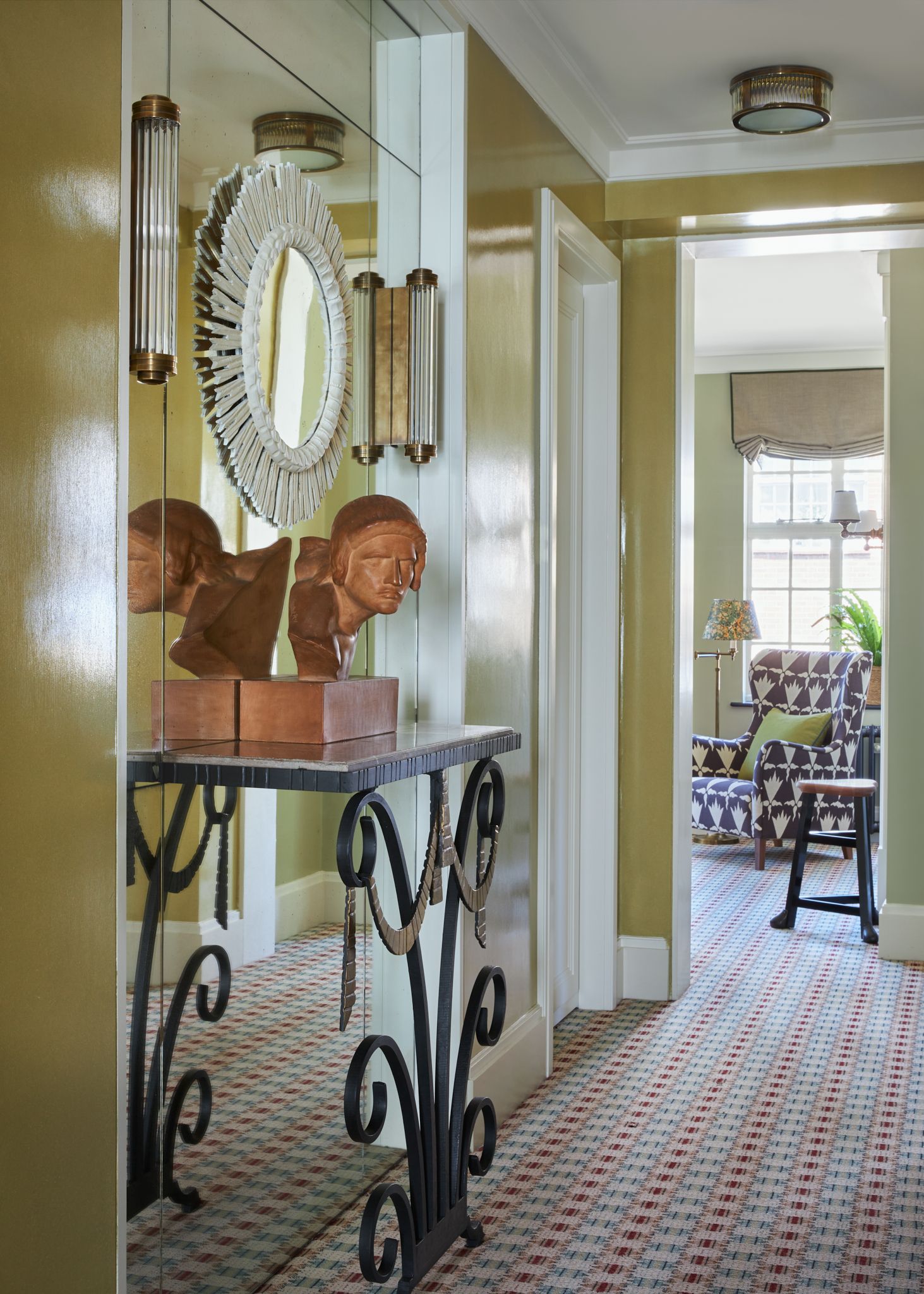
Do get a careful grip on the functionality of a room
We can choose lovely colours and hang wonderfully made curtains, but if the room doesn’t function properly you haven’t done your job. Decorating isn’t just specifying details, it’s understanding the detail. I was taught a long time ago that, as well as drawing up the necessary plans, it’s very useful to actually model scenarios in a room. When you walk into a room, where would you expect to find the light switch? Once you are sitting down, which side feels most natural to put down or pick up your drink? Where might you charge your phone? I once had a client ask that we stress test a guest bedroom design for somebody stumbling up to bed having had a jolly evening. We staggered around the room pretending to be drunk and swiping at things, and had a good laugh doing it!

On the subject of having a laugh, do enjoy the process!
This to me is incredibly important. Decorating at its best is a skilled business but it also should be fun. The positivity of enjoyment ends up woven into the quality of the decoration. The reason we decorators decorate is because we enjoy houses, and the hope is to share that enjoyment with a client, alongside providing the requisite experience needed for a high quality outcome.
Do look around you all the time – and don’t simply copy
I’m obsessed by details, whether it be in somebody else’s house, a historic building or a church. I recently spent a morning travelling the Piccadilly line looking at the details of original Tube station tiling for a kitchen I’m working on. The flat I share with with my partner in London has a bed housed within an alcove based on a 17th-century idea. It makes the room feel more spacious while allowing for deeper cupboards and dealing with the London curse of the blank chimney breast. Almost every design problem has an existing solution, or something that can be adapted to become a solution – there is no end to the inspiration out there.

Don’t waste
I’d much rather reuse things if we can. Most good quality furniture can be refashioned by refinishing or repainting. A sofa or chair can be reupholstered, curtains can be re-bound and even enlarged. A good, thick velvet border can be a smart addition to a curtain that is slightly short for a new house. If it was of worthwhile quality to start with, then it’s worth adapting. We recently gave a client’s favourite Dries Van Noten silk dress a second life as cushions.
Don’t waste time thinking about what other people are doing in their houses
Remember, your house really is for you to enjoy!


