

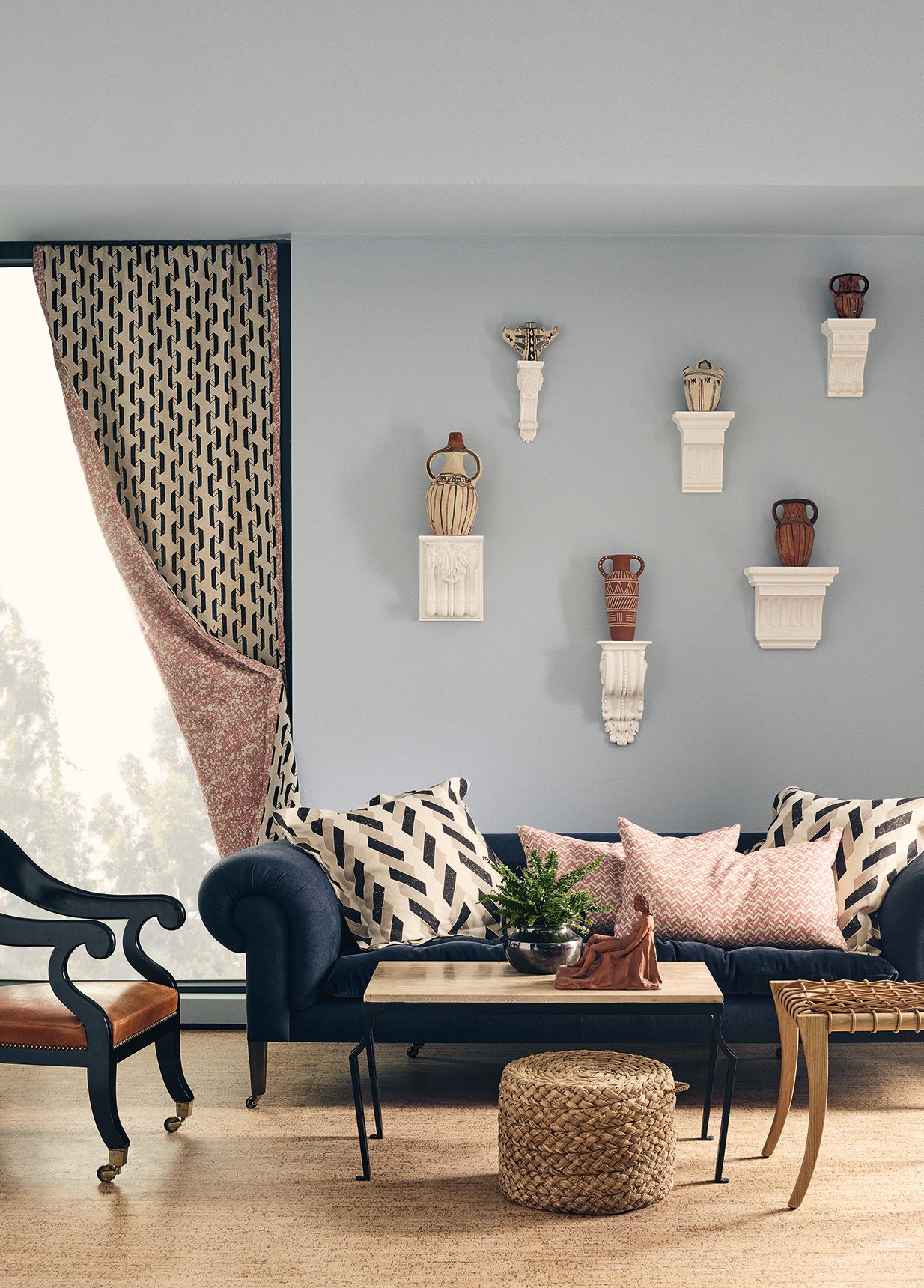
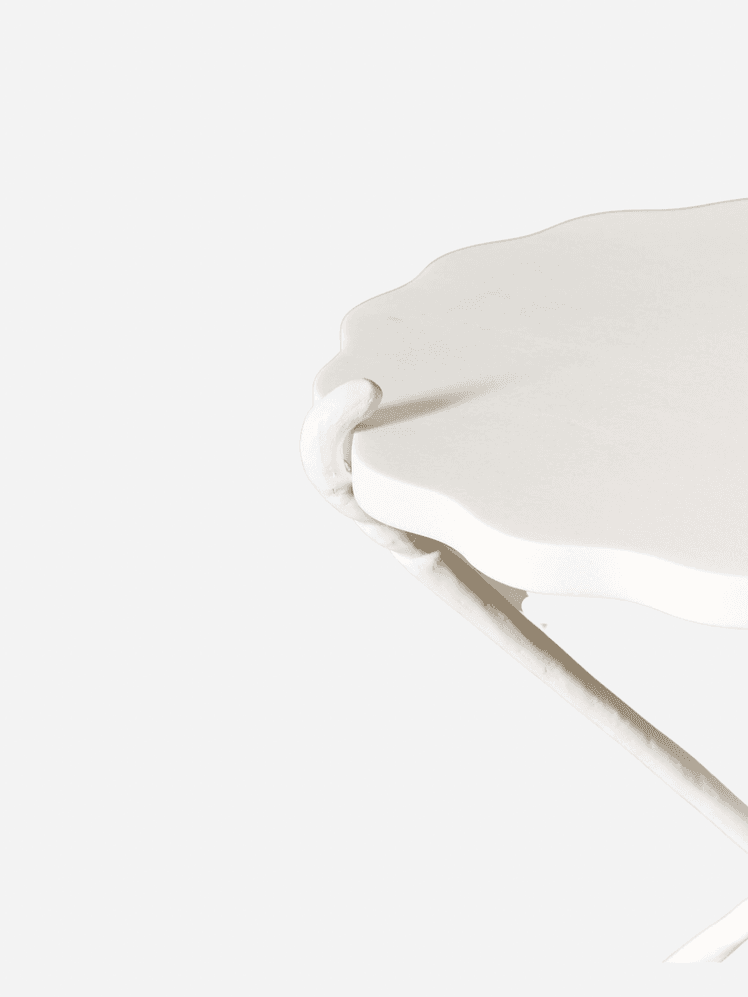
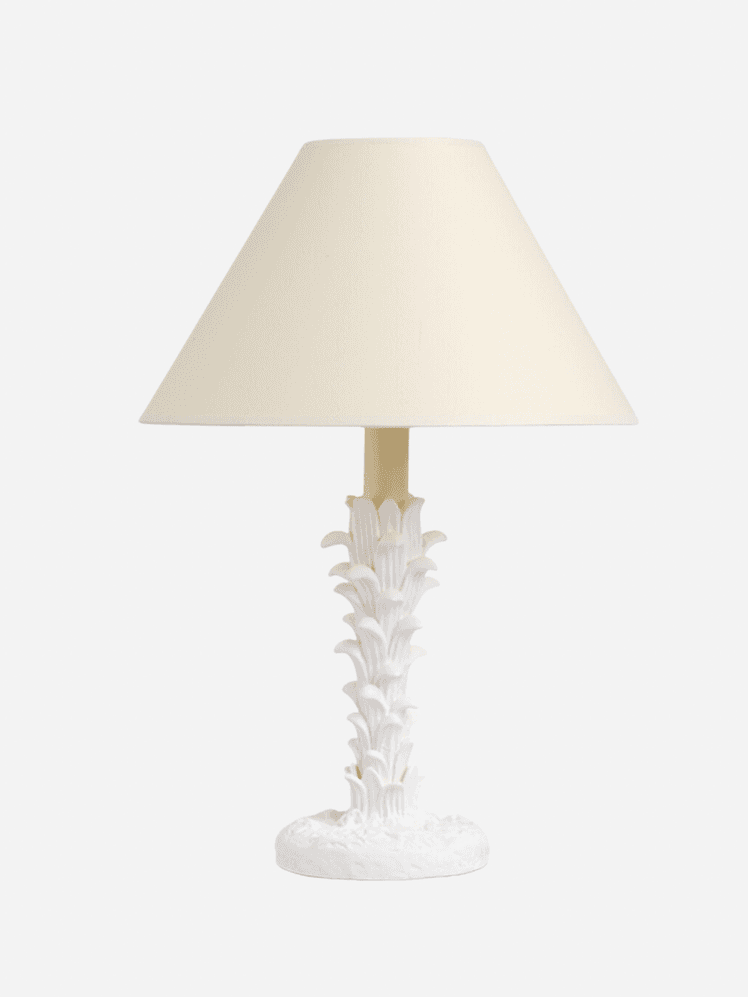
Well, how often do you think about the Roman Empire? The hashtag #romanempire currently stands at 1.4 billion views on TikTok, and a slew of videos show people justifying their frequent musings on the ancient world to surprised onlookers. One man says he thinks about the Romans every time he walks past a warm radiator, because they invented central heating. Another mentions concrete, and another the sanitation system. Certainly heating, concrete and flushing loos are major factors in the comfort of contemporary life, but look closer, and you'll realise that the influence of the Roman Empire, and that of other early civilisations, permeates almost every aspect of today’s interior decoration. Take the scallop, which has been having a lengthy moment in the sun, edging lampshades, plant pots, rugs and more; it’s a variation of the Ancient Egyptian palmette, a motif which also appeared in Crete, Mesopotamia, Assyria, Ancient Persia – and Rome. Then there’s marble – you might see it as the ideal material for your kitchen countertops, but it was the Ancient Greeks who first brought it inside, using it in the construction of the Temple of Olympia, the Theseum and parts of the Parthenon, before the Romans started exploiting it in the 2nd and 1st century BC. Evidently, we should all be thinking about the Roman Empire and other early civilisations multiple times a day.
Happily, several of today’s leading designers have already been doing just that. Bridie Hall of Pentreath & Hall has often cited the British Museum as a source of inspiration, and describes Sir John Soane’s Museum, which is packed with treasures from Rome, Paestum, and Pompeii, as “the domestic dream.” Francis Sultana’s exquisite new collection of furniture and accessories is inspired by the island of Capri, the holiday destination of Emperor Augustus (founder of the Roman Empire) and his stepson Tiberius (Francis has also redesigned the Hotel La Palma, Capri’s first hotel, which originally opened in 1822, making the island a must for your own holiday bucket list.) Luke Edward Hall has been “fascinated with Ancient Greek and Roman history since childhood – the myths and legends, the art and architecture. I use motifs inspired by these cultures in my work a lot.” Then there’s Benedict Foley: “Before I started plumping cushions I had a serious dalliance with classical archaeology,” he recounts. “The dust of the excavation site didn’t excite me hugely but the artistic remains that came from excavation – the ceramics, the bass relief, the frescos, mosaics, votive offerings, ship fittings, shoes, surgical instruments, grain measures – they all did! A world of global trade, with vast communication networks exchanging ideas – so similar to our own but so long distant – who couldn’t fail to be captivated?”
Between them – and others – there are lessons to be learned, and a host of attractive ideas.
Classical proportion, form and colour
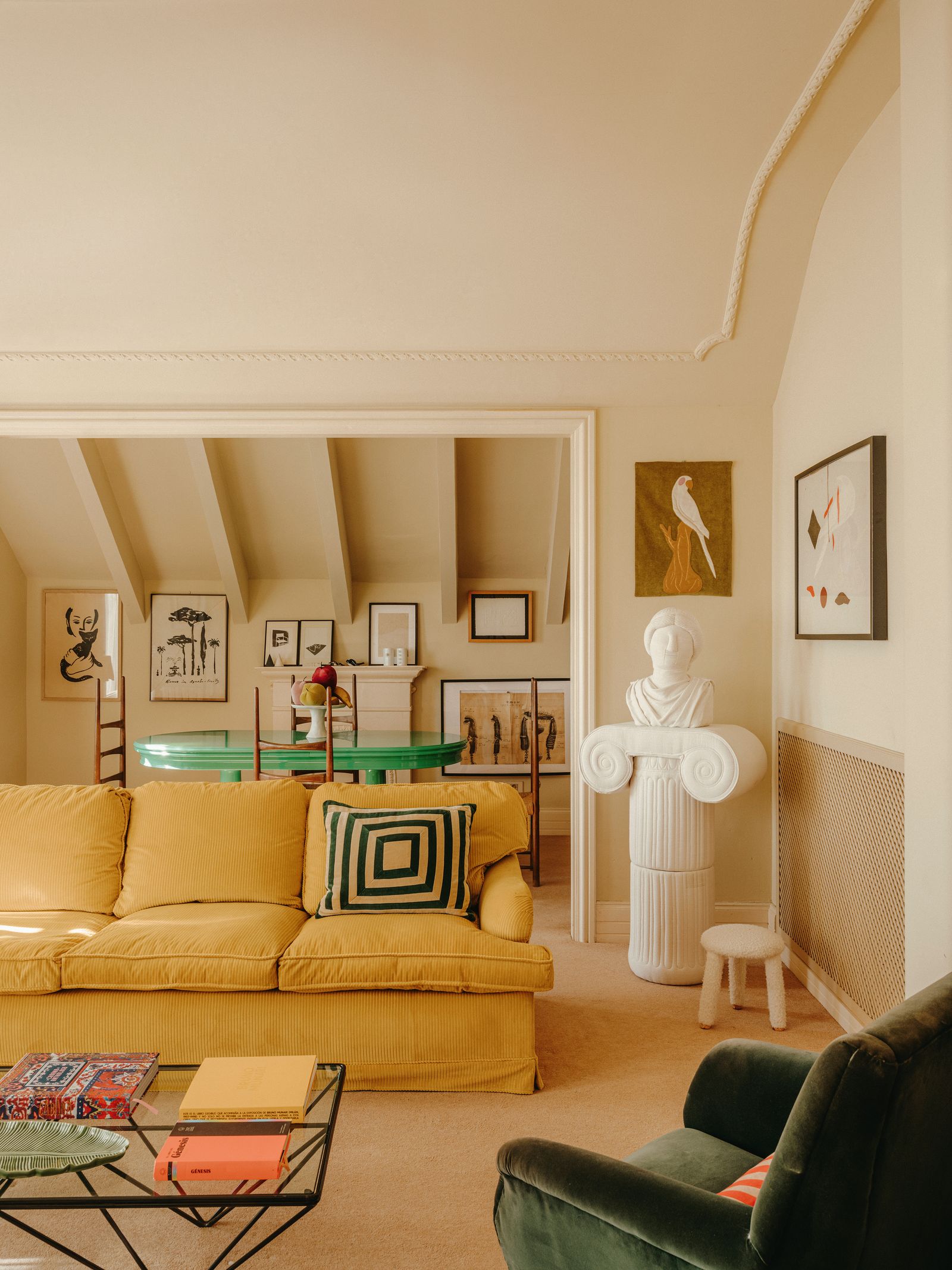
It was the Ancient Greek mathematicians and philosophers who first conceived theories as to the origin of beauty, naming a pleasing balance and proportion of form as vital components. Roman architecture continued that legacy, and in the main we still uphold those ideals now. There are times when we’ve gone all in: witness Neoclasscial architecture, also known as Classical Revival, which swept Europe from the mid-18th century, characterised by grandeur of scale, simplicity of geometric forms (think triangular pediments), symmetry, and dramatic use of columns. It was a general reaction to the excesses of Rococo and was inspired by excavations of classical sites – such as Herculaneum and Pompeii – as well as the 16th century Venetian architect Andrea Palladio. In the UK, the classical revival was led by Robert Adam, who simplified it slightly, and became one of the most successful and fashionable architects in the country, holding the post of Architect of the King’s Works from 1761-1769. He designed interiors and fittings as well as houses, and, alongside John Nash, Sir John Soane, and other architects who were inspired by the symmetry and proportion of ancient Greece and Rome, developed the look that is recognised throughout the English-speaking world as ‘Georgian’ (the subset ‘Regency’ is more classically decorative) which is ever one of the best loved and most enduring styles. Ben Pentreath’s architectural practice has designed several new buildings using classical language.
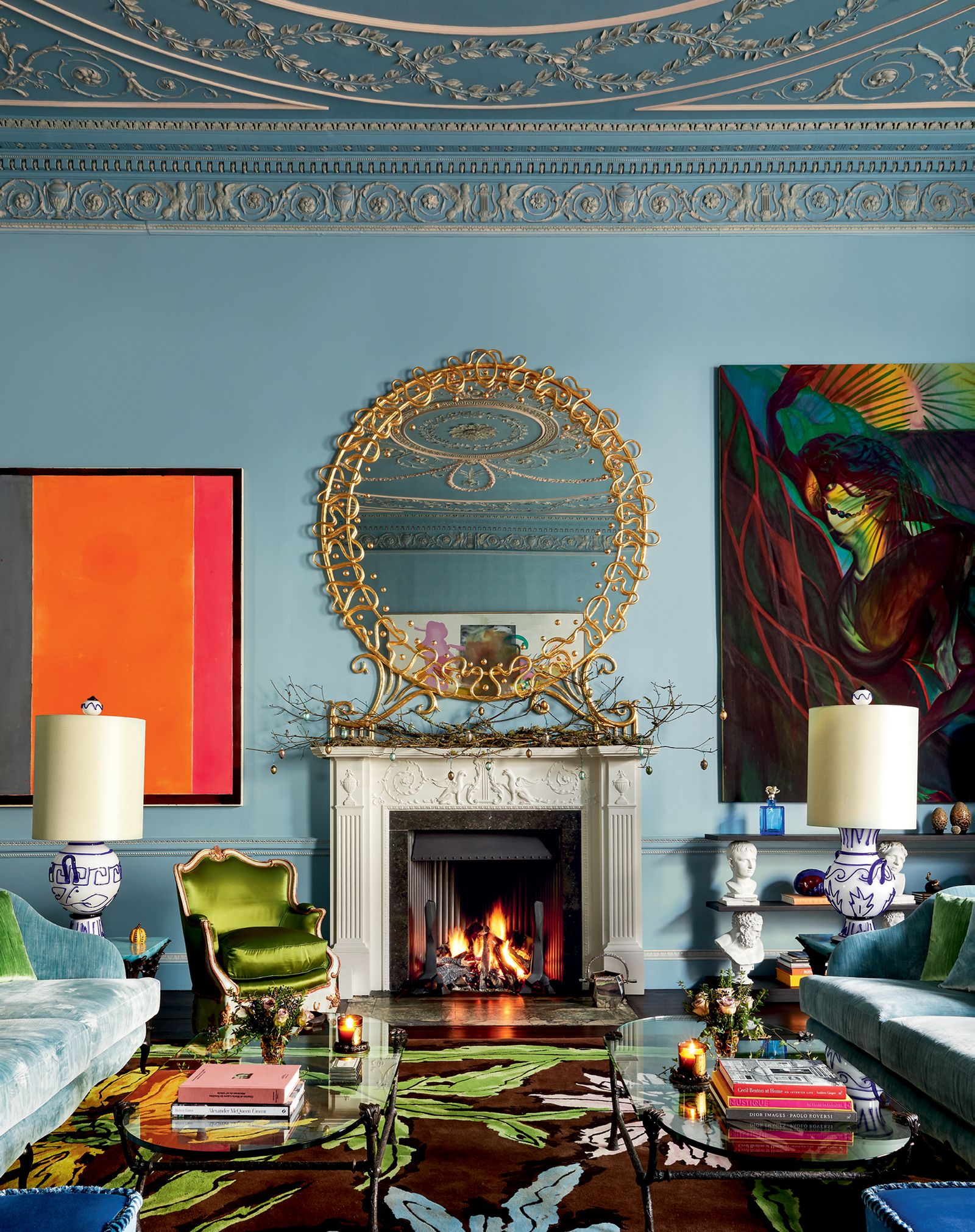
Also worth thinking about is colour; although the remnants that have survived from ancient times are typically white or terracotta, once upon a time they would have been brightly painted. For the Ancient Romans were the original colourists, and most favoured strong combinations within their homes. Red and black was particularly popular, as was purple and blue, ochre and red, green and pink. Robert Adam loved colour too – consider his ceilings – and John Fowler took up the mantle. For a contemporary take, look at this Regency house in Hampshire decorated by Ben Pentreath, or Francis Sultana and David Gill’s blue salon in their Albany set.

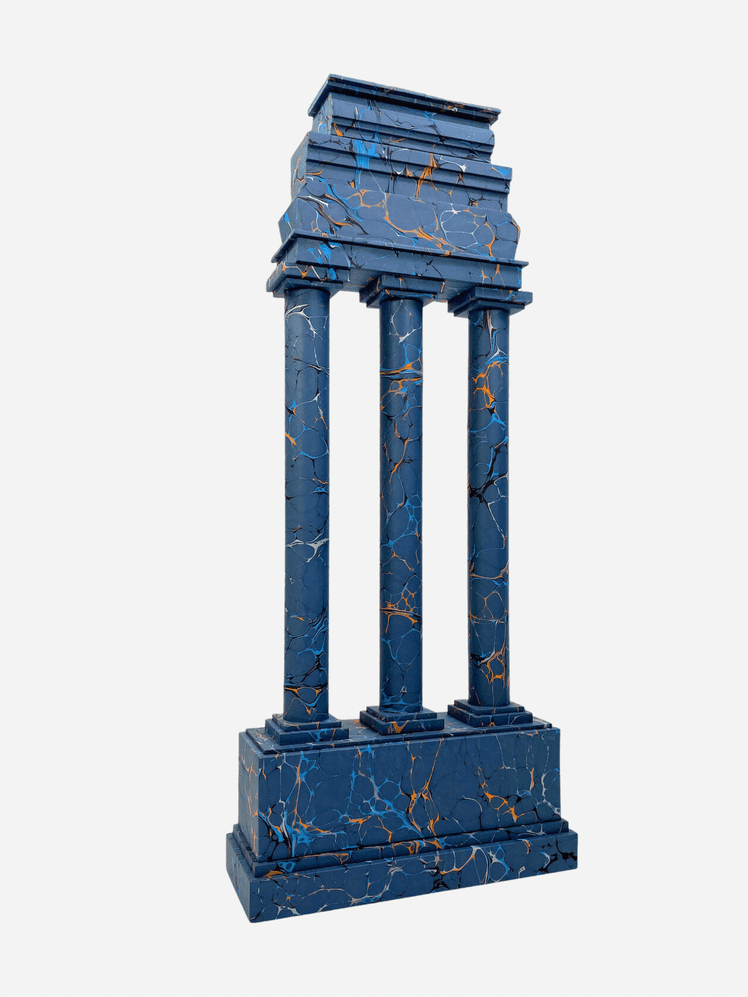
There are ways and means of incorporating classical details and ideals, even if you don’t live in a classically designed house. Luke Edward Hall and Duncan Campbell’s north London flat is in a mid-19th century building – but they’ve given their British Standard kitchen cabinets classically-inspired pediments. Then, Paddy O’Donnell’s 1930s house has benefited from his painting pediments and urns above the doorways, while Pallas Kalamotusis’s flat in a Victorian mansion block is a masterclass in balance and symmetry. Finally there’s the Michigan-based Parvum Opus (the name is derived from the Latin term for a small work by an artist; parvum means diminutive, opus is an artistic work) – why not augment your interiors with a model of the Temple of Castor & Pollux? Or a small Triumphal Arch?
Grand Tour haul
The Grand Tour was a 17th, 18th, and early 19th century custom amongst the upper classes that saw young men of grand families take off on an ‘educational’ trip across the continent, with Italy as a key destination. While it certainly gave significant impetus to the Classical Revival in architecture, it was also something of a mad trolley-dash, and the reason why the great houses of Europe are replete with books, paintings, scientific artefacts and other cultural artefacts – including ancient busts, statuary and broken columns, as well as Renaissance-era versions. Sculpture galleries, built to house the haul, became de rigeur – see Chatsworth, Petworth and more. Many fell in love with the countries they had visited, went back and back, and perhaps the ultimate example of the beauty such treasure can bequeath on an interior is Sir John Soane’s Museum, with its extraordinary collection of antiquities spanning continents and millenia, including the sarcophagus of the Egyptian pharaoh Seti I (incidentally Soane’s Grand Tour was funded, via a bursary, by George III.)
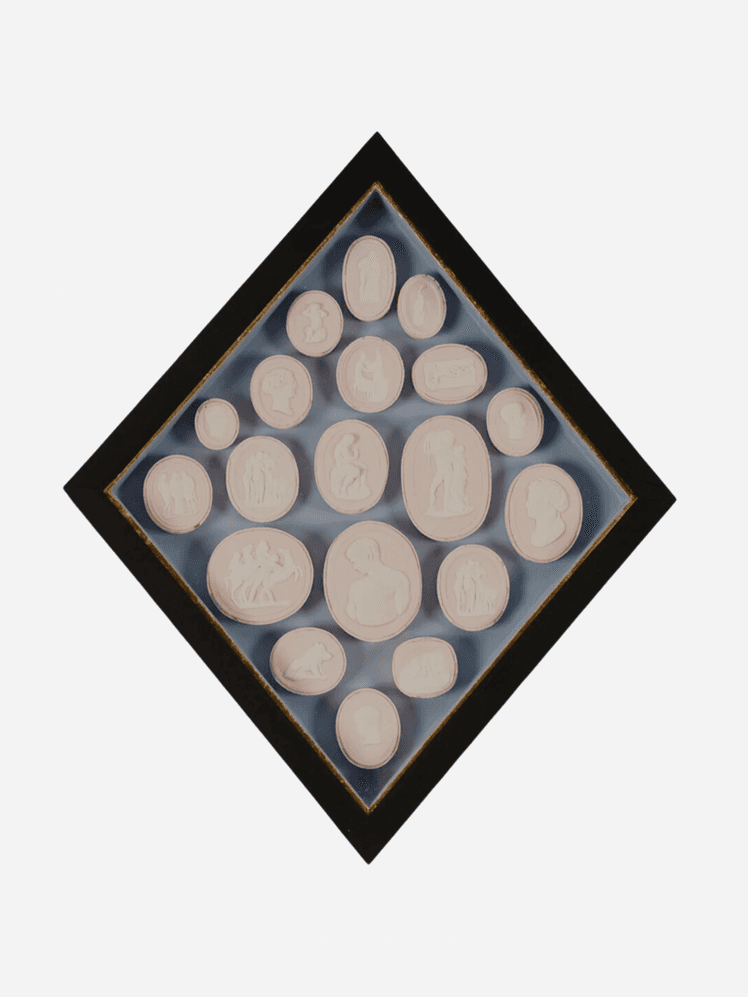
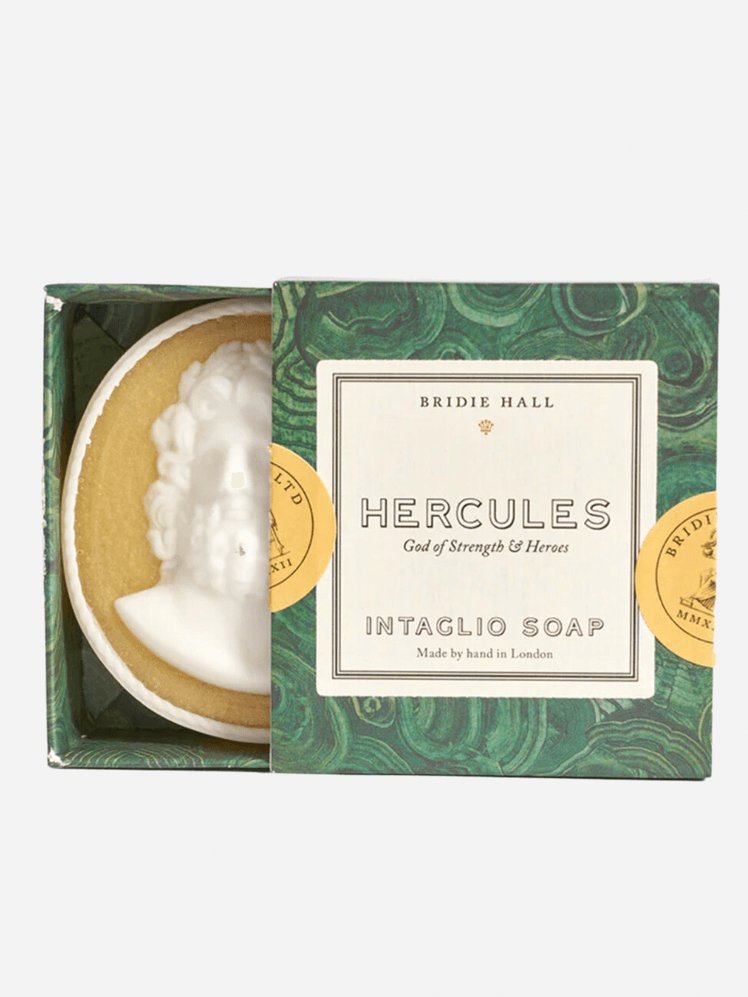
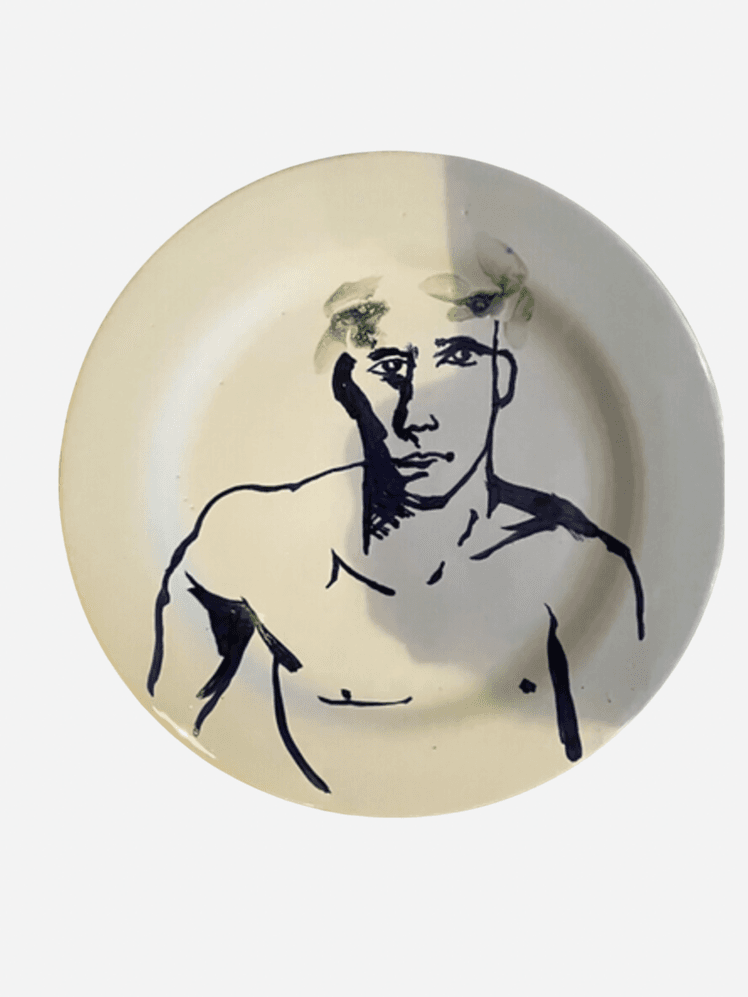
The term ‘classical antiquities’ specifically refers to the period between the 8th century BC and the 5th century AD in countries surrounding the Mediterranean Sea, and there are several high end galleries which specialise in them, from Charles Ede in Mayfair to Galerie Chenel in Paris. That last is a favourite of Celia Muñoz, founder of La Coqueta – for a less intense take than Soane’s, look at the interiors of her Georgian house in Hampstead. If you aspire to the dash but are short on ready cash, there’s Bridie Hall’s Grand Tour intaglio cases for Pentreath & Hall – and her intaglio soap - and Gavin Houghton’s ceramic plates featuring such characters as Helios and Dimitris.
Wall treatments, tiles, interior motifs, and other decorative details
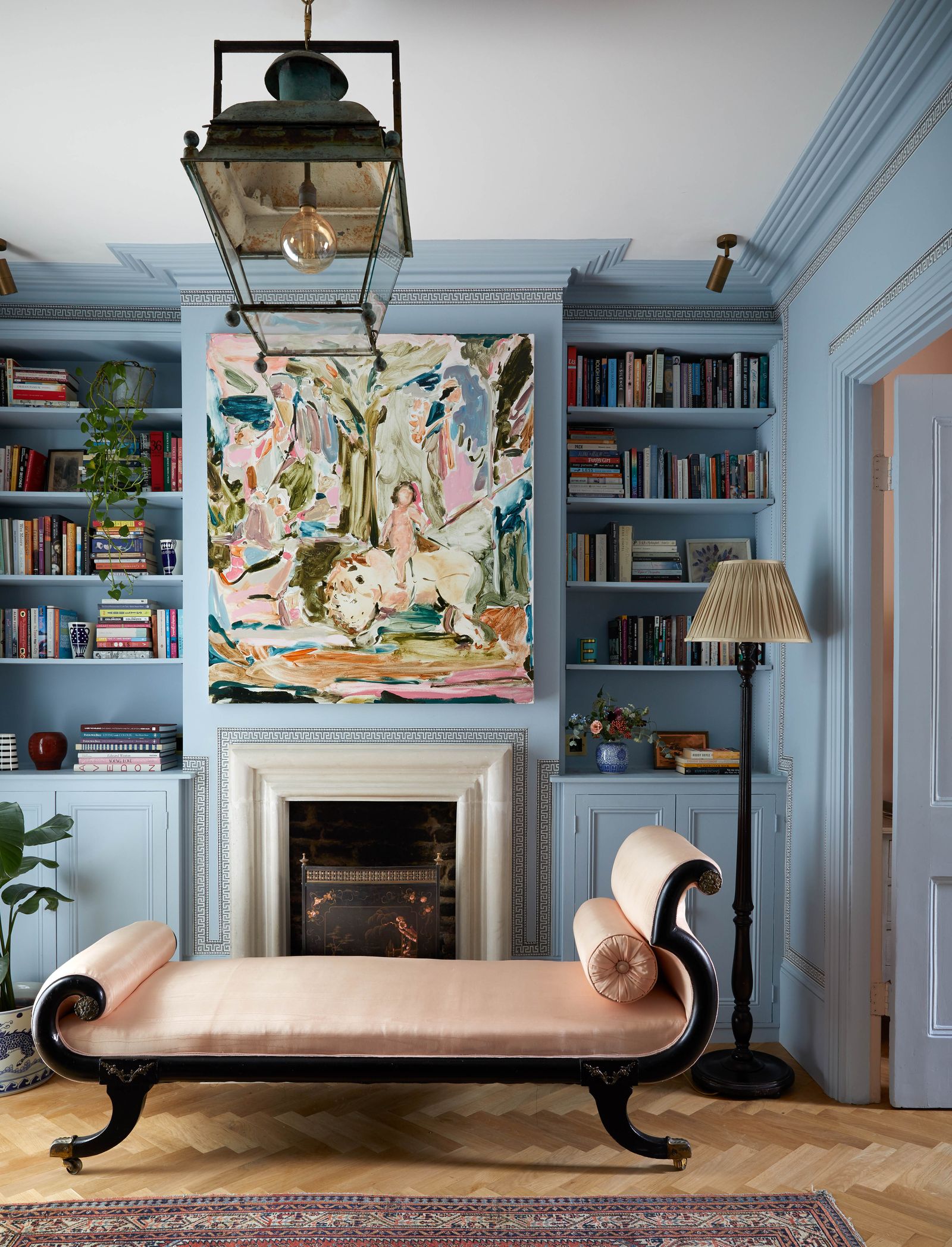
There were several different wall treatments during the time of the Roman Empire, which included realistic renderings, large blocks of colour, and a stucco finish. Regarding that first, trompe l’oeil actually originated in Ancient Greece, when a contest reportedly took part between two prominent artists, Zeuxis and Parrhasius. One painted grapes with such skill that birds flew down to peck at them, the other an illusionistic curtain so convincing that even his fellow painter tried to draw it to one side. You could attempt such a scene yourself – or commission a specialist decorative artist. Floors, of course, tended towards tiles or mosaics.
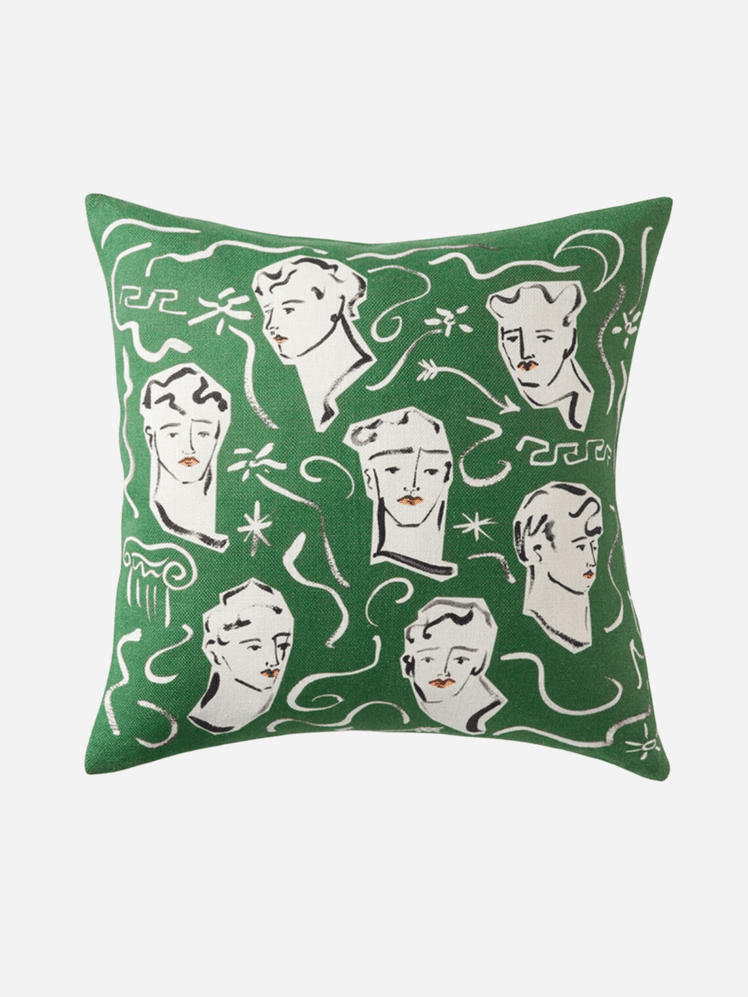
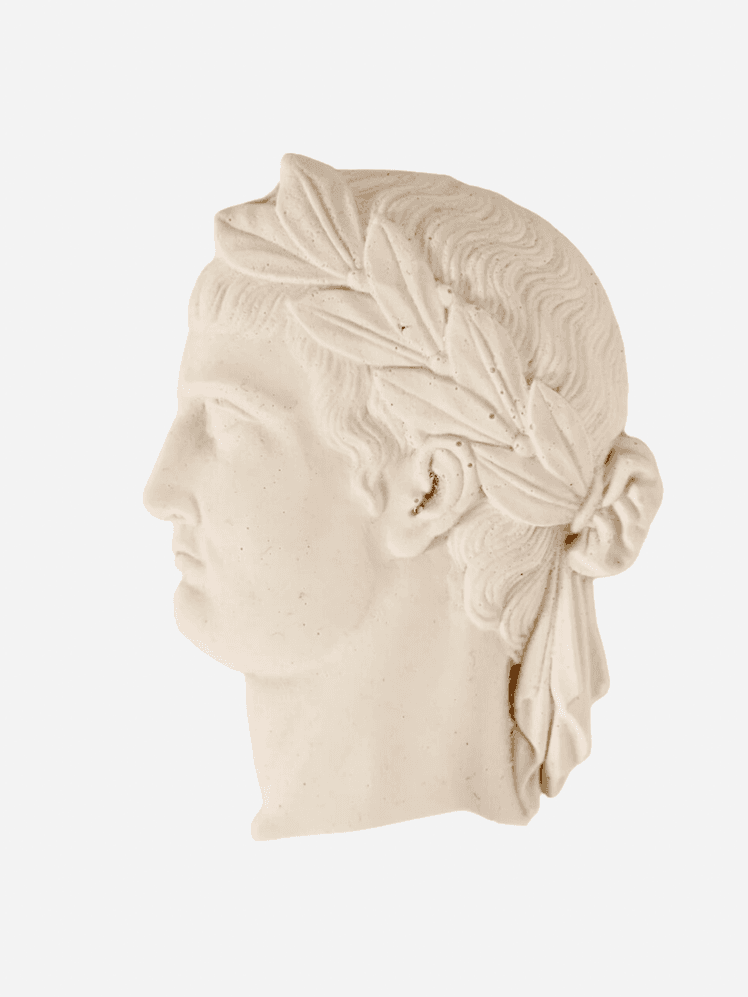
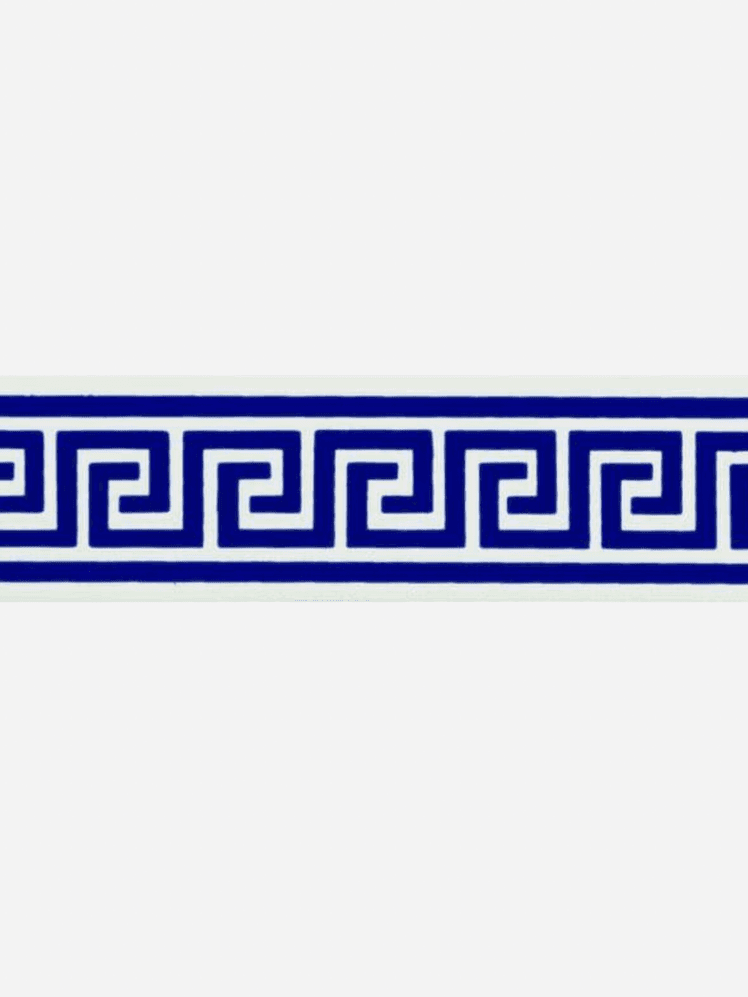
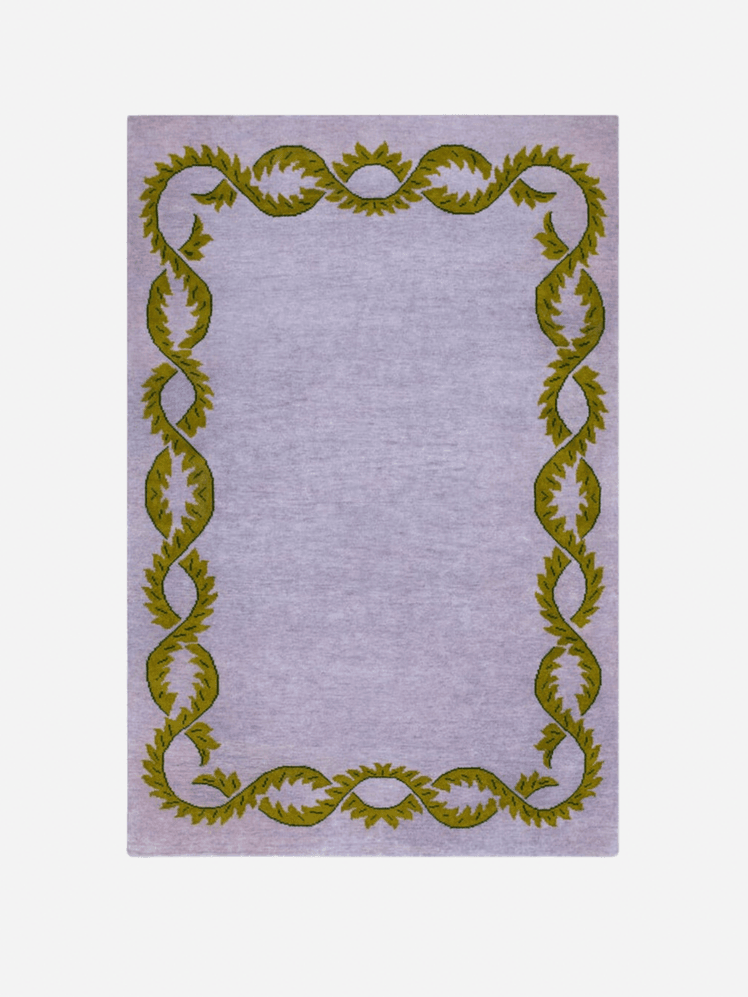
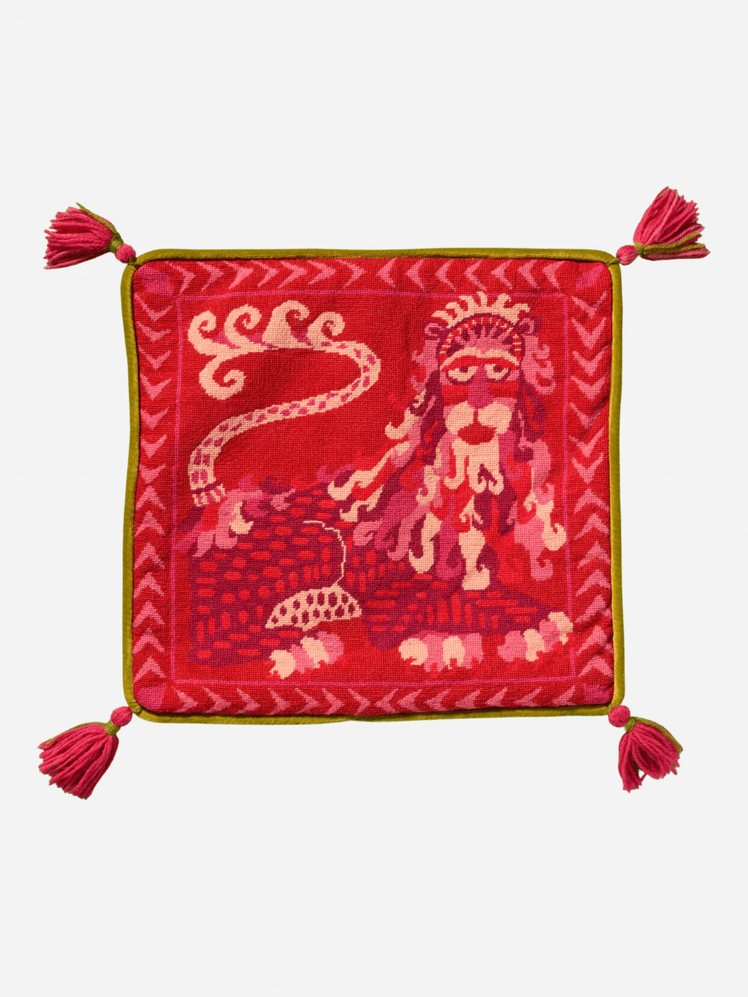
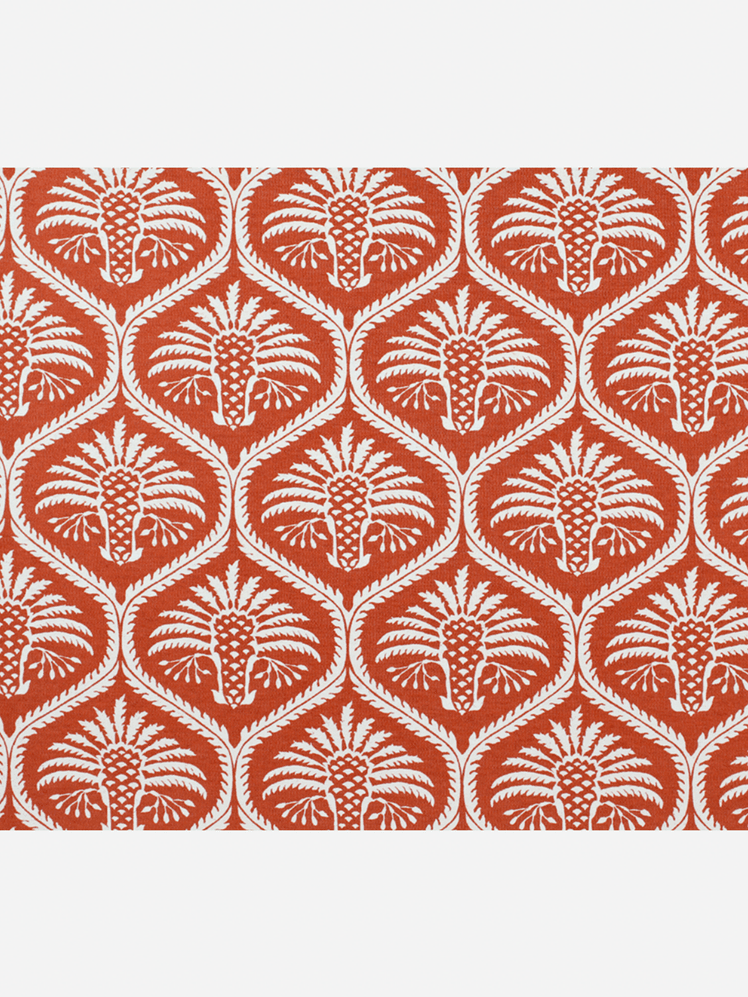
Materials matter – think marble, terracotta, bronze and concrete – and so does pattern, much of which has become part of our contemporary vernacular. There was significant overlap between Ancient Greece, Ancient Egypt and Ancient Rome, and motifs to look out for include acanthus leaves, vines, sphinxes, eagles, the Greek key pattern, the wave pattern, laurel wreaths, the classical orders of architecture, and the previously mentioned scallops. The options for use are endless, from wall brackets to tiles to fabric. Even William Morris – who, as a side project, translated Homer’s Odyssey and Virgil’s Aeneid – designed an ‘Acanthus’ wallpaper. And don’t forget cushions, which were an essential feature of Greek and Roman homes. You could even, with the help of The Fabled Thread, make your own; what you might not know is that tapestry was big in Roman times (though the end products were more commonly hung on the wall) having begun in Ancient Egypt.

Egyptomania
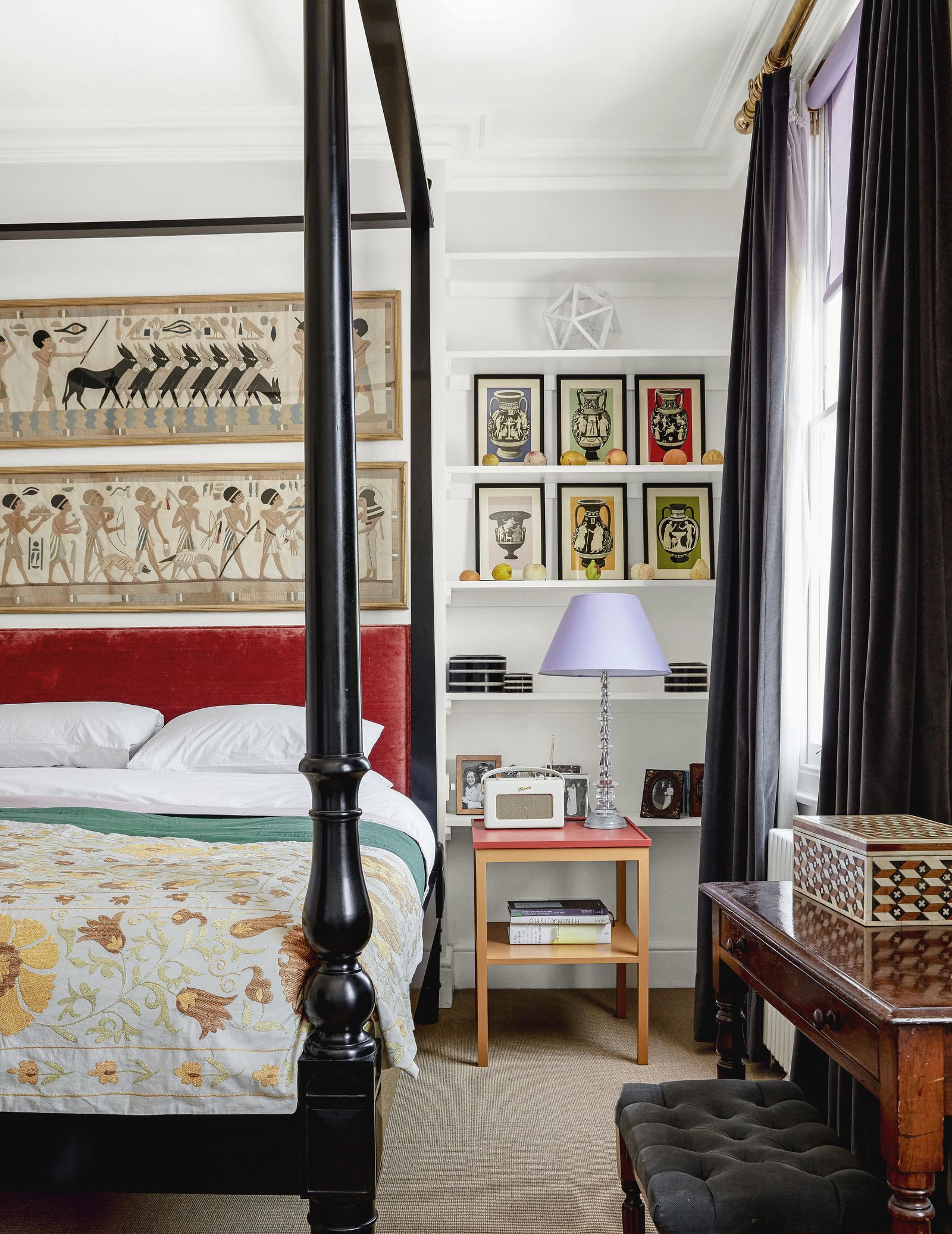
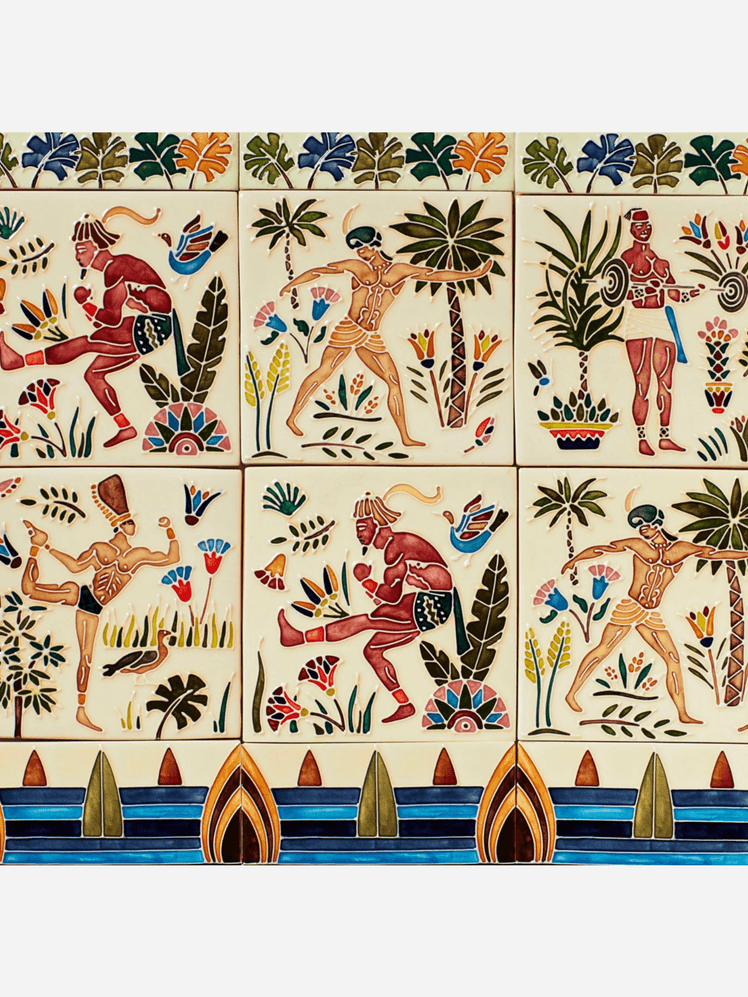
Benedict Foley has recently done a deep dive into “the transition of late Ptolemaic Egypt and the Roman Republic into the early Principate (Anthony, Cleopatra, Augustus, Nero, I Claudius and the rest)” he reveals. “I was fascinated to learn that most of our understanding of Egyptian Pharaonic art comes from studying the latest period temples, started by the Ptolemies and completed by the Romans.” In other words, there’s a Roman Empire crossover – and it’s safe to say that Benedict is suffering a dose of Egyptomania.
The term refers to the enthusiasm for everything related to ancient Egypt, and there have been several moments of notable hold since the Romans developed an obvious ardour. In the late 19th century Europe was swept by a wave of fervour sparked by Napoleon’s Egyptian campaign; he was accompanied by scientists and scholars, which led to a large interest in the documentation of ancient monuments, and Egyptian imagery and ornament were widely used in the decorative arts, including furniture and porcelain (if you’re looking for it, google search ‘French Empire Style’ – which then grew into Art Deco.) There was a second wave in the 1920s, following the discovery of Tutankhamun’s tomb; Bridie has got some extraordinary Egyptomania panels above her bed made then – the scenes are embroidered onto bandages left over from the Great War.
Benedict recently found an archive pattern created by the late textile artist and designer Stephanie Rawkins, and “faced with familiar faces from the banks of the Nile, I began working on bringing a fabric based on Stephanie’s designs back into production.” He has done just that, and “’Pharaohs’ is hand-printed in England on a natural linen base cloth. The scale has turned out impressively faithful to the effect of those ancient bass reliefs. Bold is the word!” He’s also been working on a series of cushions, “treating each portrait from the pattern repeat as a separate subject, the effect of them all lined up is less monumental, more playful,” and, mentioning Mycenaen pots and the Rosetta Stone, reveals he is planning a mini collection of fabrics called ‘Archaeology.’ Add this together with Louis Barthelemy’s tiles for Balineum, recent collections by Soane and Pierre Frey (Soane’s Lulu Lytle studied Egyptology at University College London) and I think we can confidently agree that a third wave of Egyptomania is rolling steadily closer.
.png)


