
A poet's magical, art-filled garden in the rolling Scottish hills
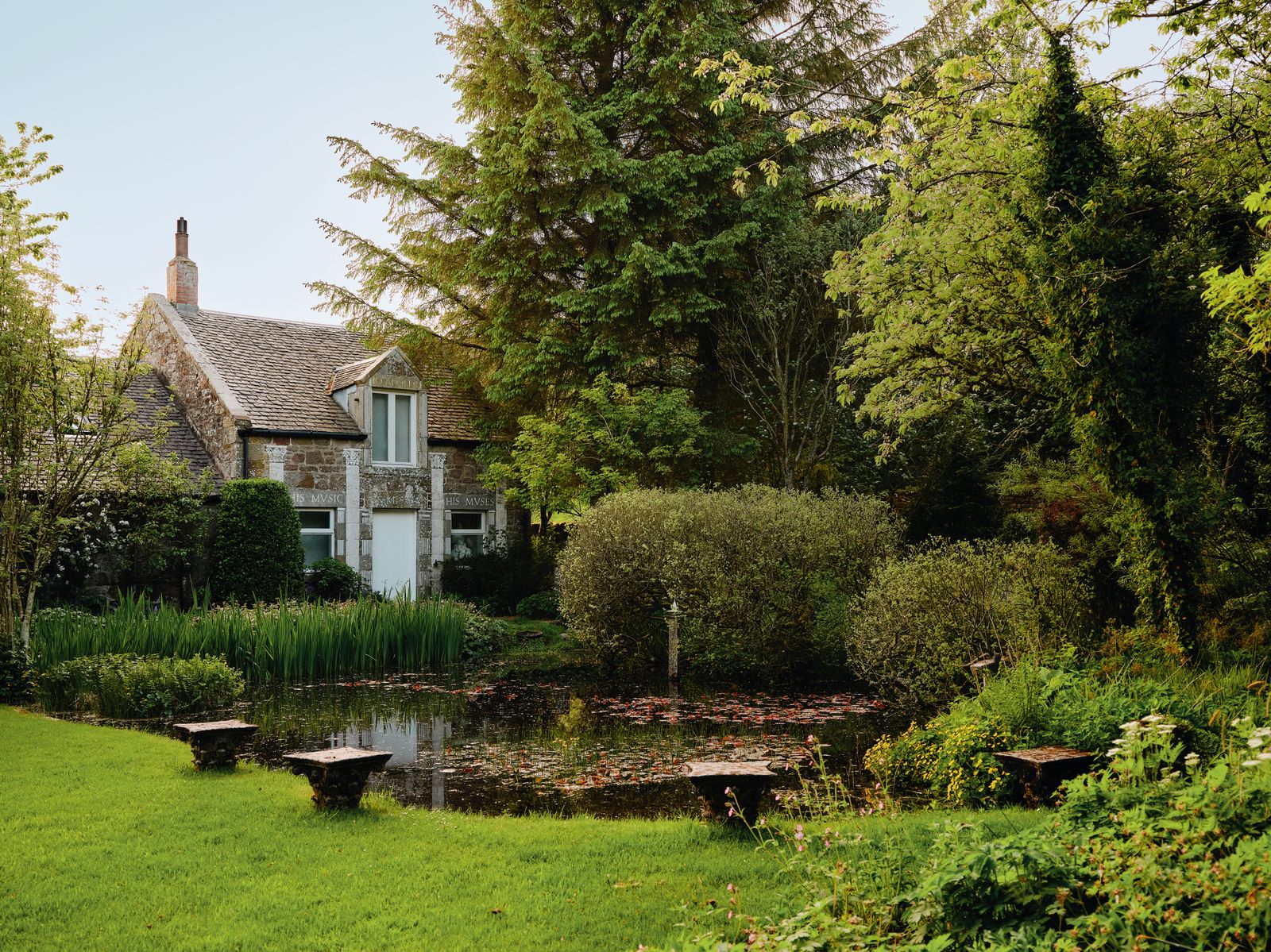
Most of us dream of making a garden, but very few of us actually dig it out, one turf at a time, with our own hands. Little Sparta, a remote former farmhouse in the Pentland Hills, which sit between Edinburgh and Glasgow, was the home, the garden and the outdoor studio of Ian Hamilton Finlay, born 100 years ago. It is a place that the artist and poet never stopped working on for nearly 40 years up until his death in 2006. Just prior to this, a Trust was established to maintain the garden to his high standards and it has looked after it ever since.
'Garden' is perhaps not quite the right word to use about somewhere that challenges many conventional ideas about what one should be. Little Sparta is as much about philosophical ideas, ethical ideals and our place in the natural world. But, above all, it is a painstaking realisation of a life's work by someone deeply connected to his artistic community and to nature, one that looks outward while seeming to look inward. To wander through it - and this is a place not to be rushed - is to collide with 2,000 years of history, philosophical thought and our sometimes anxious relationship to the natural world. It is also witty, playful and mischievously subversive.
Ian came to the farm at Stonypath with his wife Sue in the mid 1960s - he a poet and an artist, she tending the garden and, in her words, ‘feeding the poems’. At the time it was seven acres of bare windswept hill and was in the hands of Sue's father, who had inherited the Estate of Lee and Carnwath. The couple had been living in a tiny, freezing house in Fife with neither running water nor electricity. As Sue put it, 'My parents wrote to me - no telephone - to tell me the Stonypath farmhouse had become vacant, and asked whether I wanted to come and see if we'd like to move there. My mother, Catriona, left a steak pie in the larder for us.'
With almost super-human energy, the couple brought up two young children as they began creating the garden, heaving paving stones about and mixing concrete to lay paths, digging a vast pond fed by a small stream and cutting back scrub by hand to create groves of native trees such as rowan and birch. They pored over books on garden history and philosophy, including the work of the Greek philosopher Epicurus, who cultivated a small vegetable plot to demonstrate his ideal of the quiet but productive life and the cycles of growth and decay in nature. Ian, who only rarely left the garden, wanted art, nature and memory to collide, connect and confound.
There are now over 270 site-specific artworks positioned across the garden, most of which are either wrapped up or taken inside to protect them when the garden closes in early October. Every spring; they are retrieved from storage and placed once more in their assigned location, each one in conversation with those surrounding it. Sculpture gardens are often contentious, since some people believe fervently that sculpture has no place in the garden, as it is too fixed in a place where change happens continuously. Sculpture is also determined by the taste of the owner, but lan's genius was to collaborate with an array of artists from different genres and disciplines - sculptors, painters, writers, poets, stonemasons - so that the vision was his, but the interpretation of it was wide and generous.
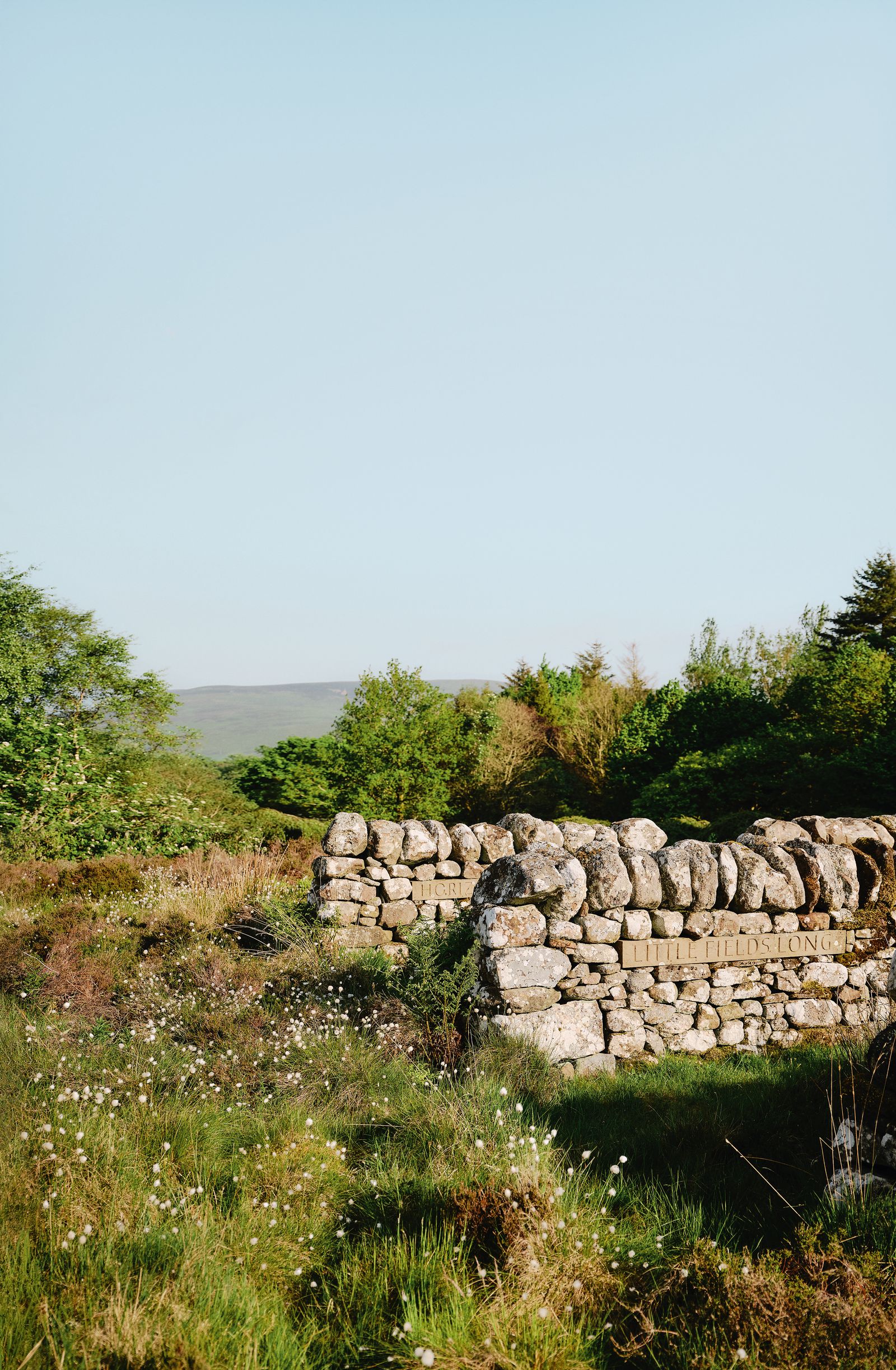
It is hard to single out an individual piece, but the one that stands at the highest point of the garden seems to exemplify what he was striving for. Poetry is chiselled into a dry-stone wall, traditionally built to delineate fields and to keep stock from wandering. The rough, hand-built walls are elevated by the beauty of the letter carving, the simple words repeated and reordered, making you pause and reflect as you look over the hills:
Little fields long horizons
Little fields long: for horizons
Horizons long for little fields
This might seem like a vision of paradise, but Ian was no angel and relished a bit of artistic fisticuffs or, as they say in Scots, stooshie. Many of the works reference turbulent periods of history, such as the French Revolution and the Second World War, the militaristic tone seemingly at odds with the wide skies and lonely hills. Spiritedly independent, during the 1980s, Ian stood up to the might of the Scottish Arts Council and then the local authority, Strathclyde Regional Council, in a long-running and acrimonious protest about rates - thereafter known as the First Battle of Little Sparta. It is still a byword for artistic revolt and protest. Memories are long in this part of the world.

The garden is open only in the months of June, July, August and September because he wanted visitors to see his beloved trees in full leaf, walk under them and experience the interplay of light and shadow. According to his artist son Alec Finlay, Ian suffered from crippling agoraphobia and the garden, though large, feels intimate in its structure, with one section leading to another seamlessly. Working on it quietened his terrors and gave us a garden as complex and, at times, as dissonant as the 20th century in which it was largely created.
If this sounds lofty and obscure, requiring a swift brush-up on Greek literature and 20th-century history before the long pilgrimage to Stonypath, worry not. The genius of Little Sparta is that you do not need to know any of this for your imagination to be ignited. It also feels like Ian may step out at any moment in his wellies, with grubby hands, and accompany you, gently directing your gaze towards a new viewpoint. Greek and Latin epigrams; ephemeral words of double meaning and nuance set in stone; sculptures that are not what they seem; stepping stones dissolving the boundaries between earth, sky and water. The poetry is not only in the words, but also in the curlew's haunting cry on the moor, the restless shadows, the soughing of the wind. Or a sudden, uplifting glisk (the Scots word for a glimpse of sunlight through cloud). You can lose yourself here among the elements, but you are more likely to find yourself.
Little Sparta is open June 1-September 28. For more information on days and times, visit littlesparta.org.uk
 Dean Hearne1/18
 Dean Hearne2/18
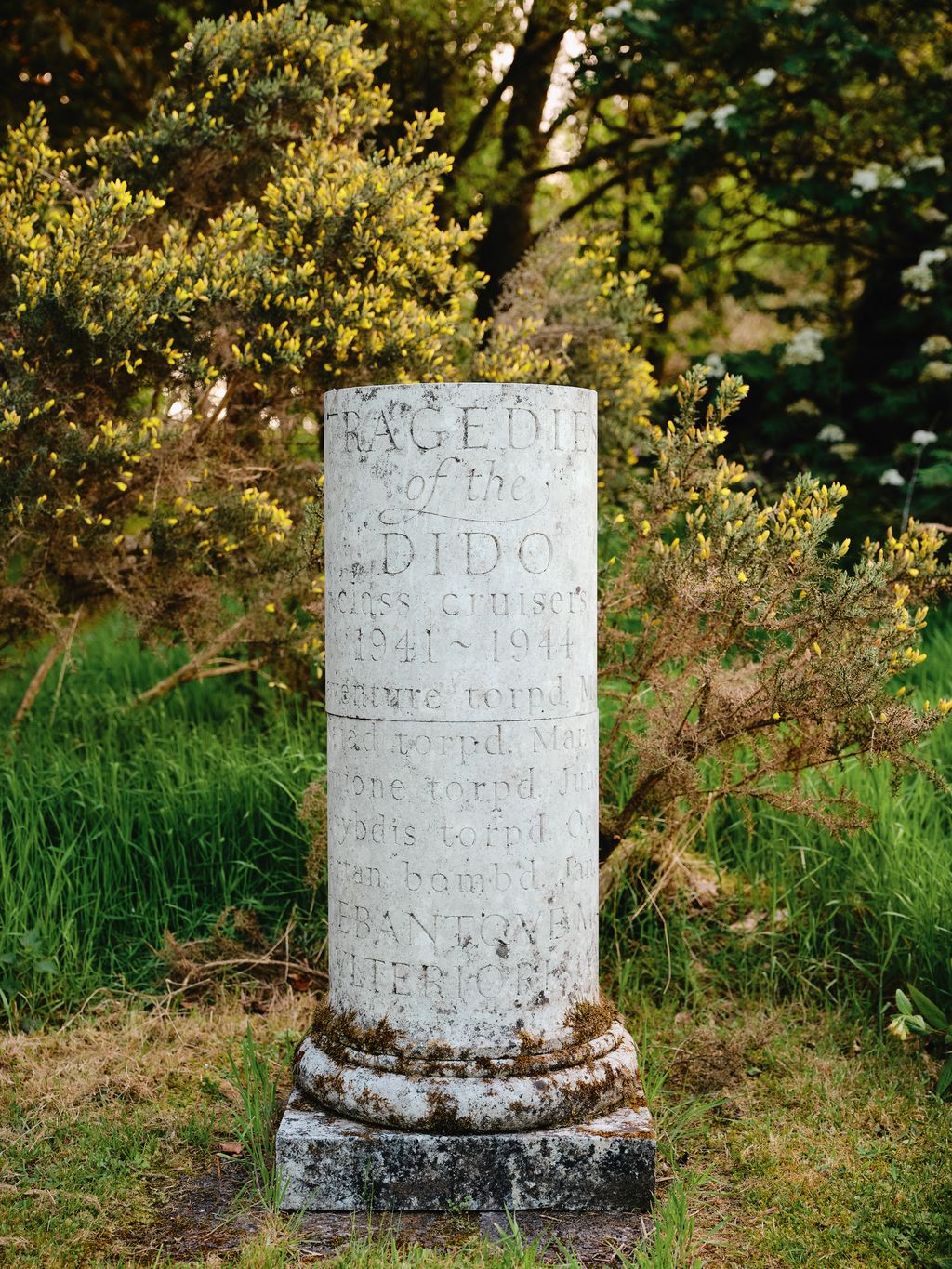
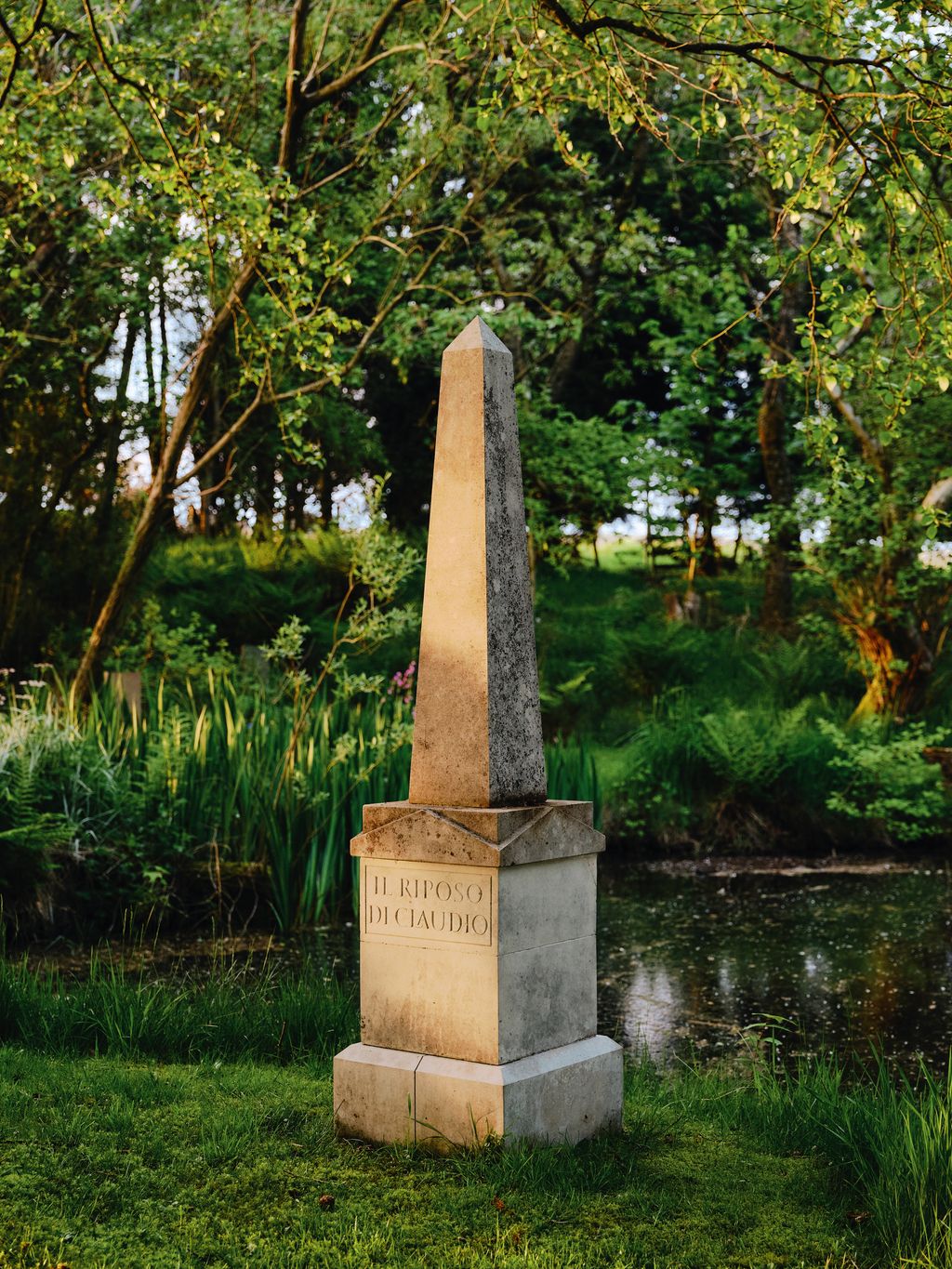
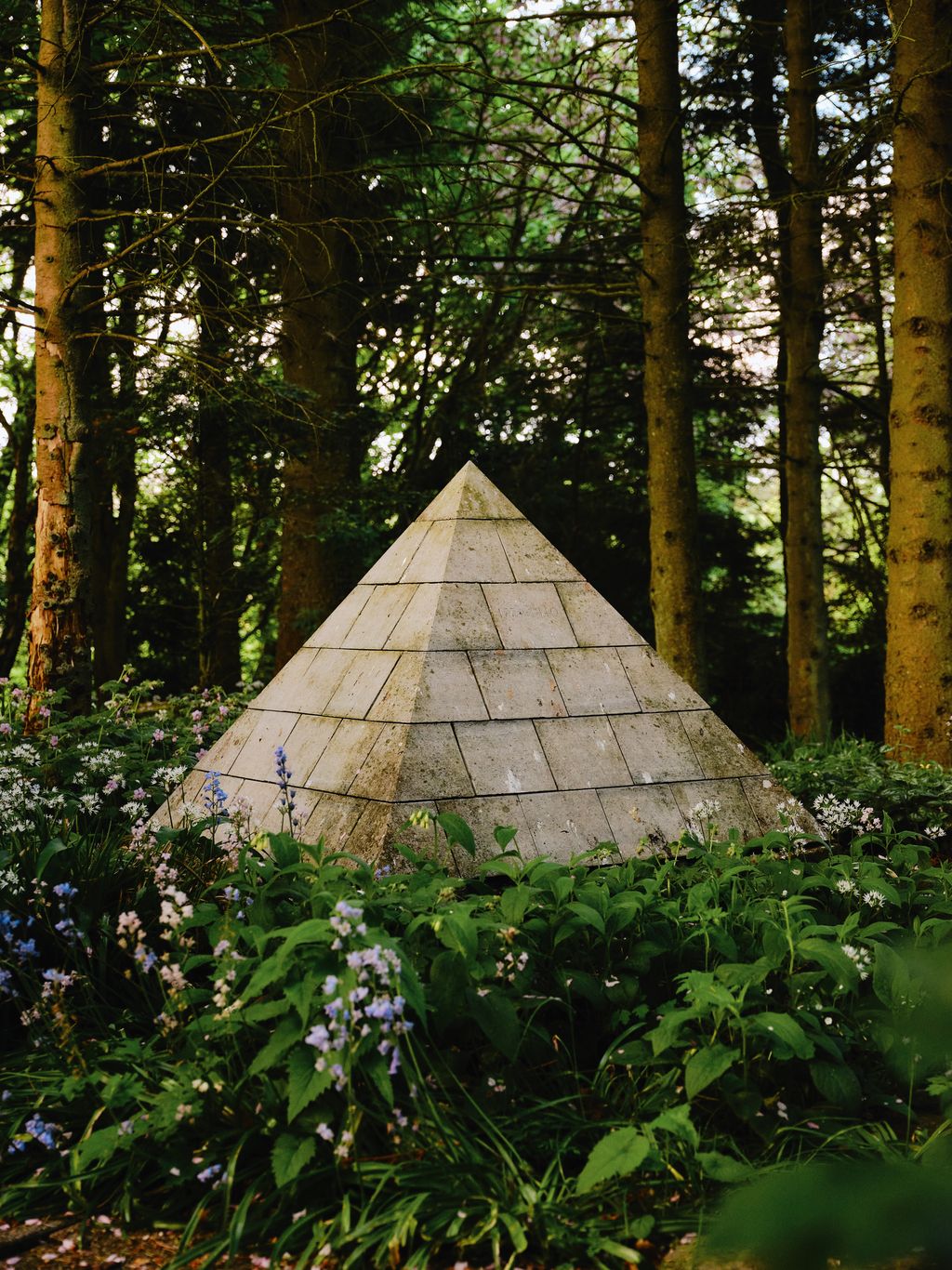
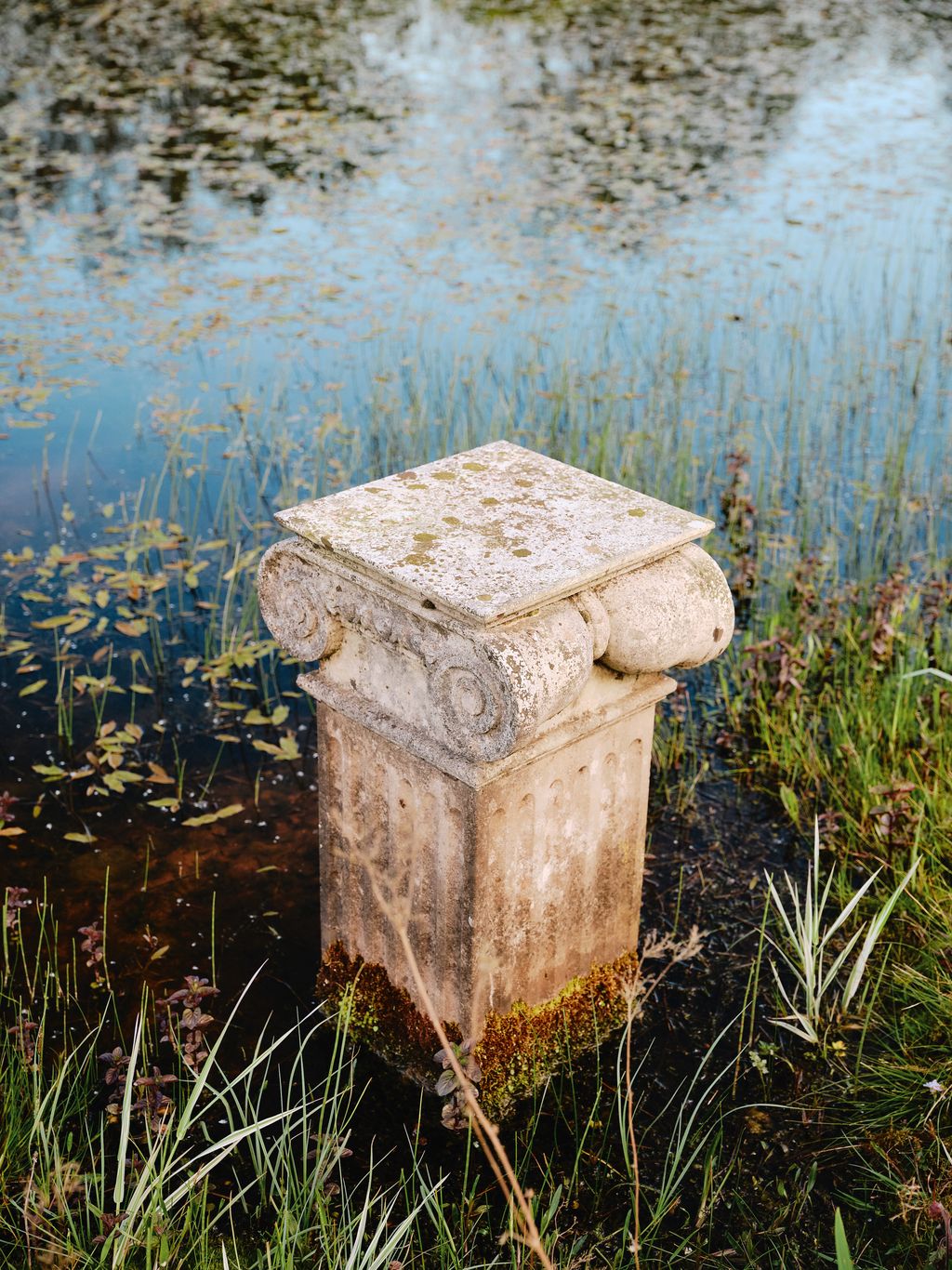
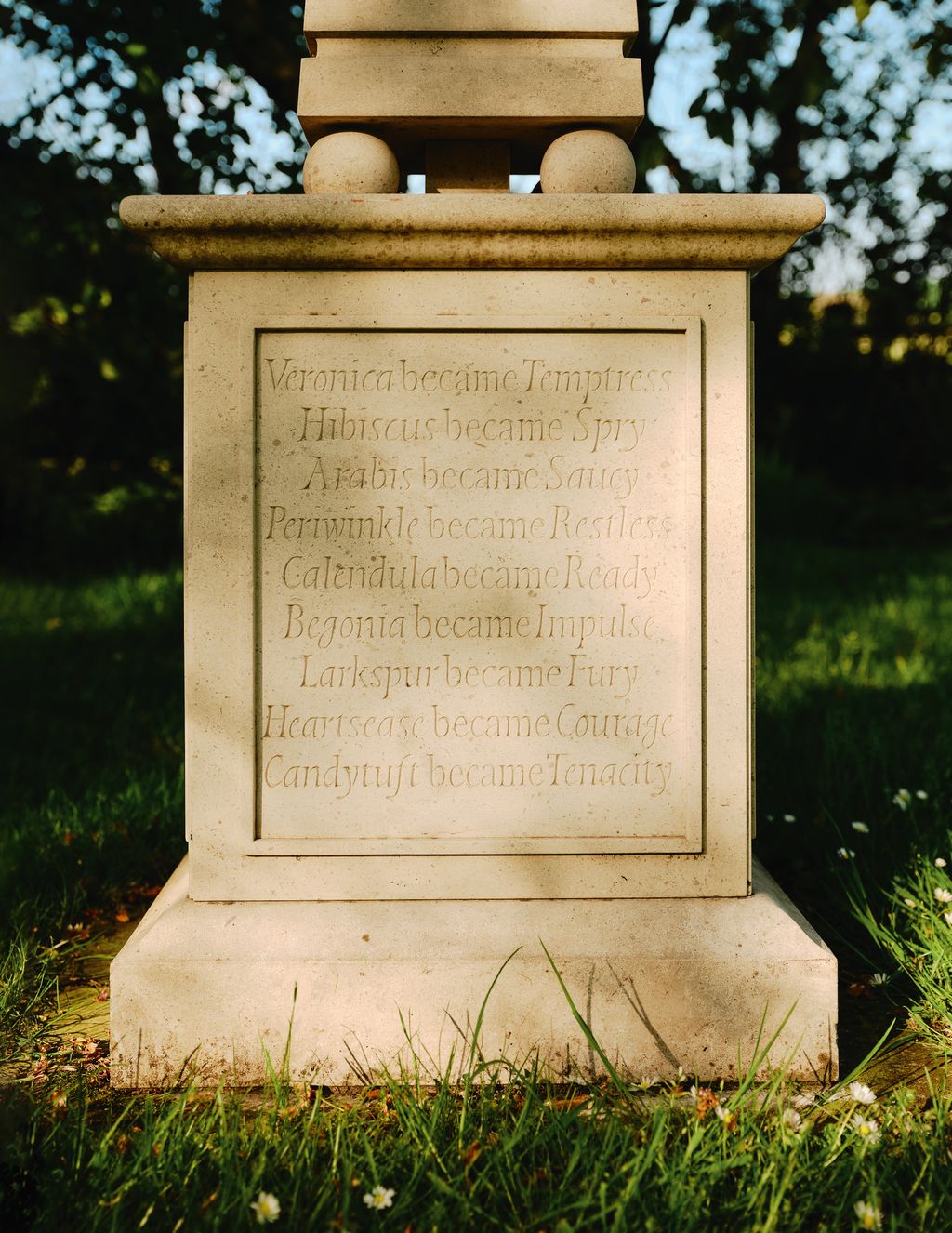
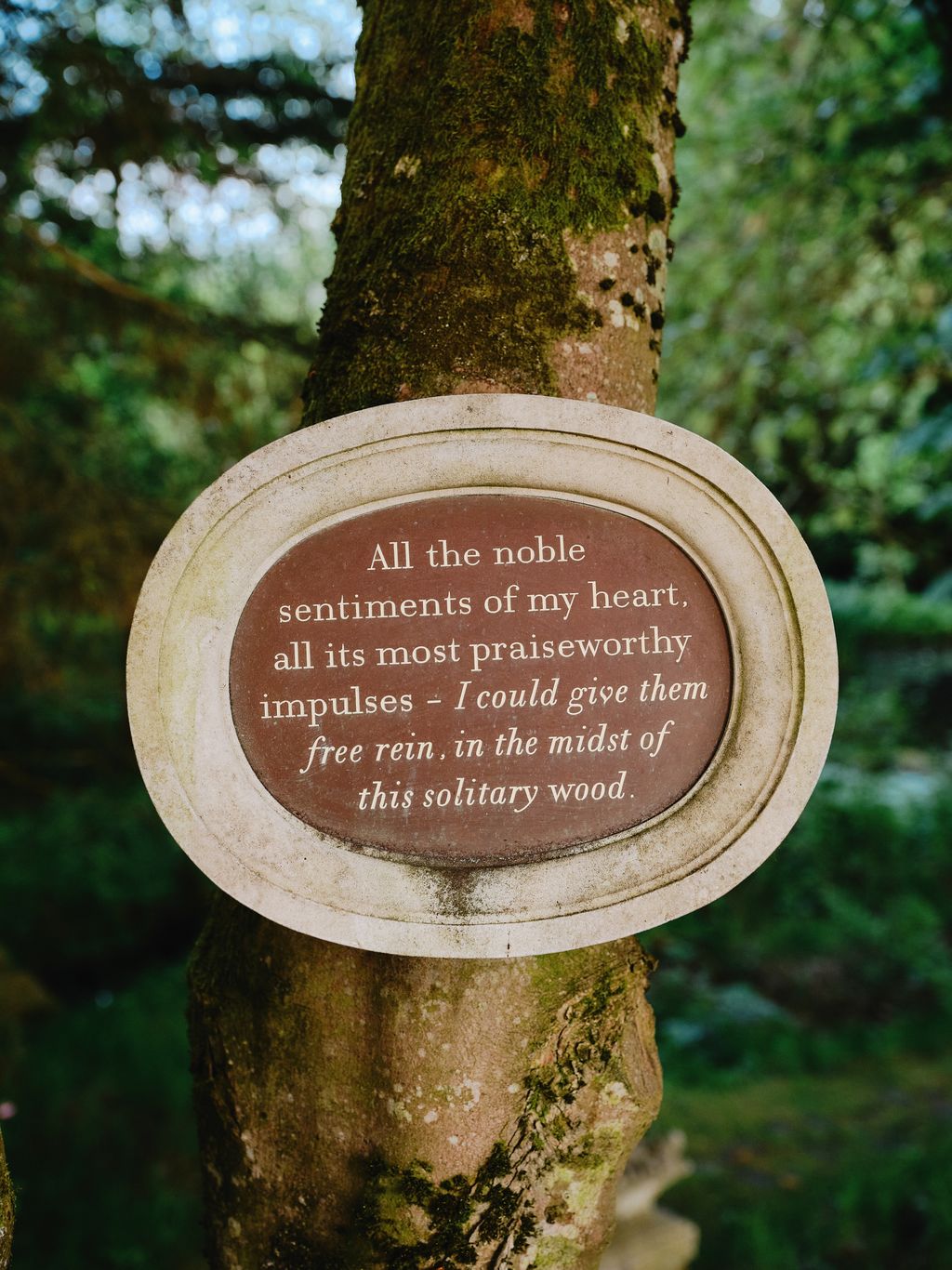
Each distinctive piece, from busts, pillars and obelisks to headstones and plaques, is inscribed with words - some are playful, others more serious, but all of them are thought provoking
 Dean Hearne3/18
 Dean Hearne4/18


 Dean Hearne5/18
 Dean Hearne6/18
 Dean Hearne7/18
 Dean Hearne8/18


 Dean Hearne9/18
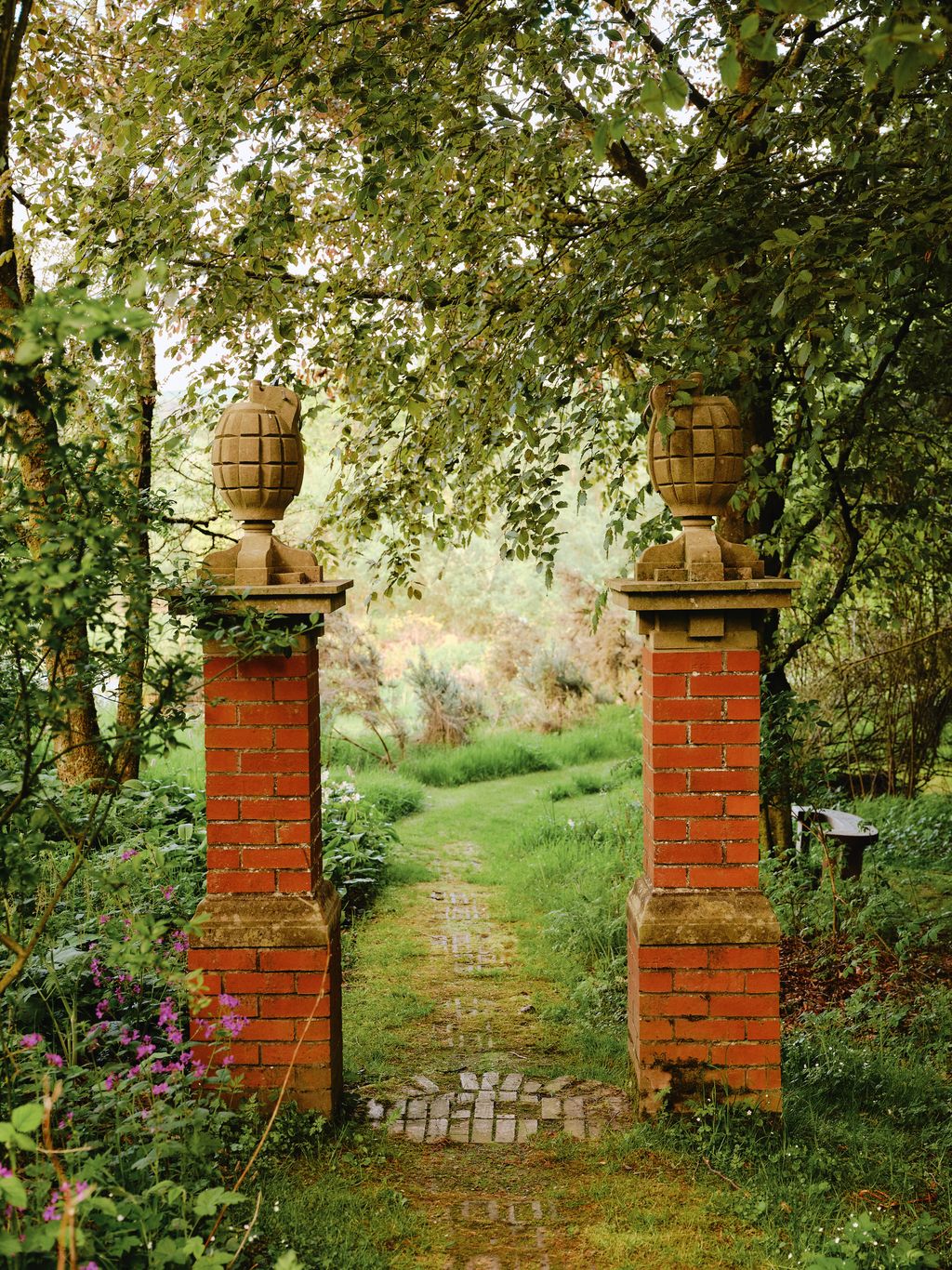
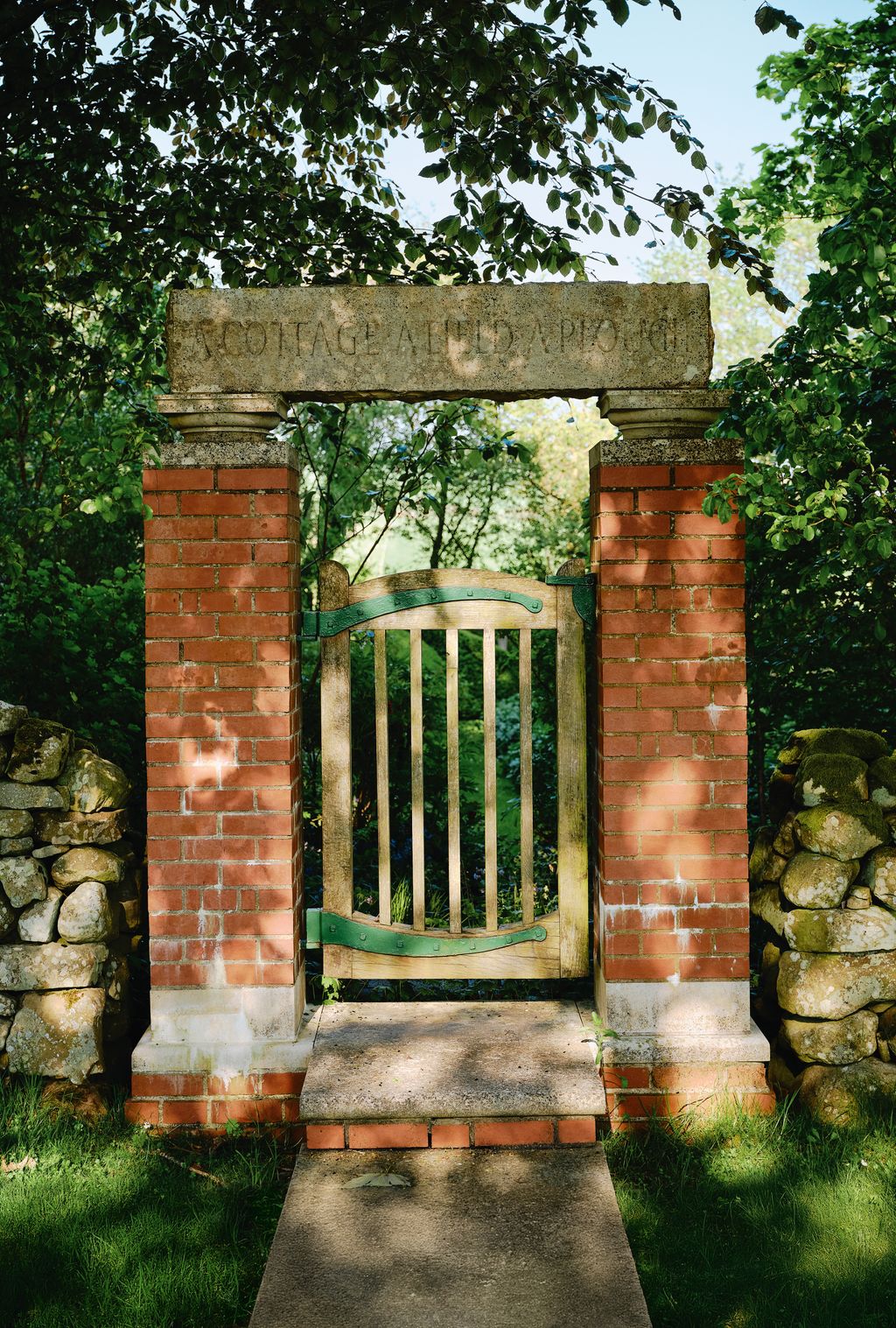
Walking from one area to another, visitors pass through thresholds designed to stir their senses and ideas. On gateposts to the Wild Garden, what seem to be Neo-Classical finials are hand grenades, nicknamed 'pineapples' in the Second World War due to their shape; this work embodies the paradoxical relationship between conflict and fruitfulness.
 Dean Hearne10/18
 Dean Hearne11/18
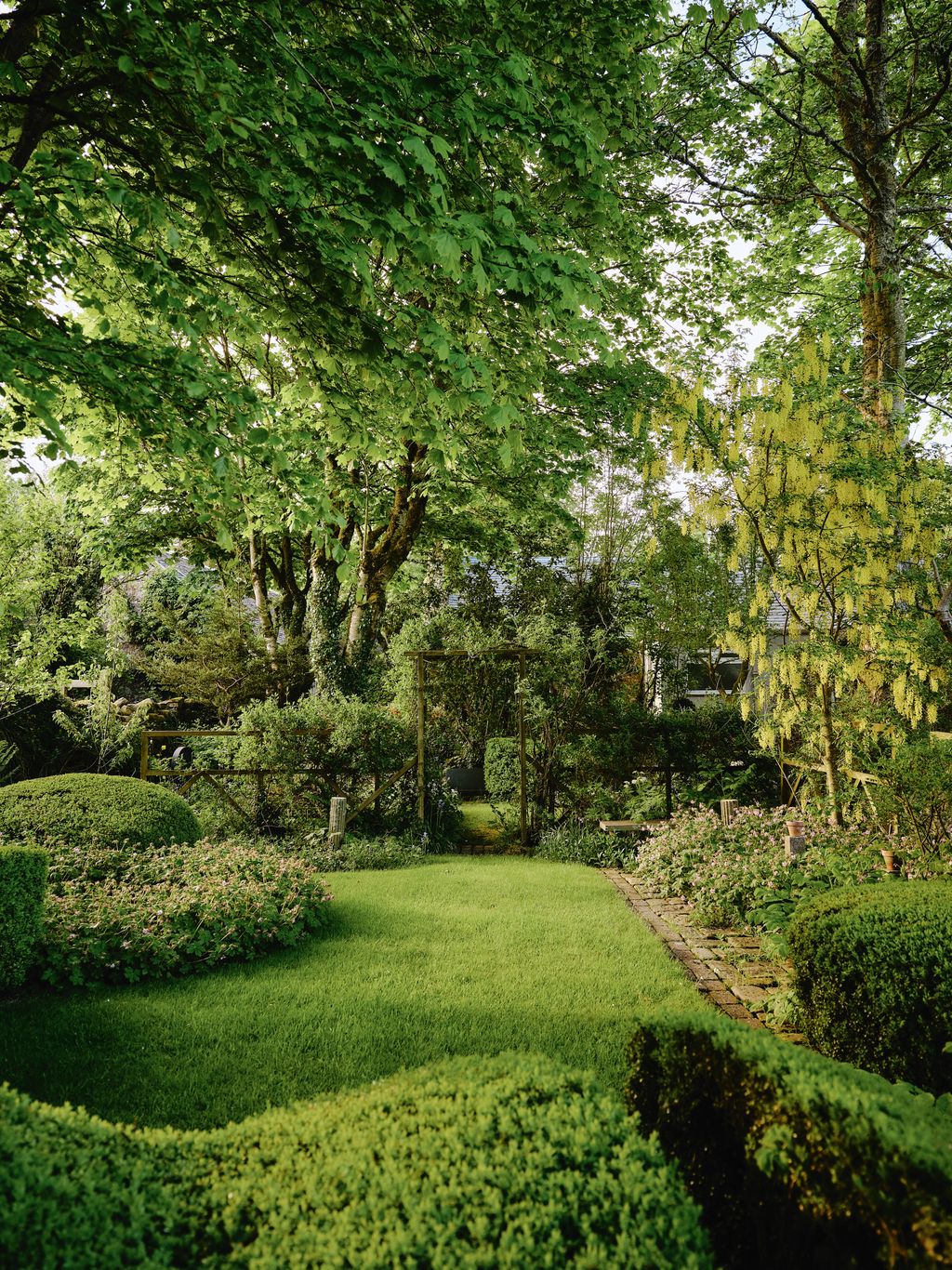
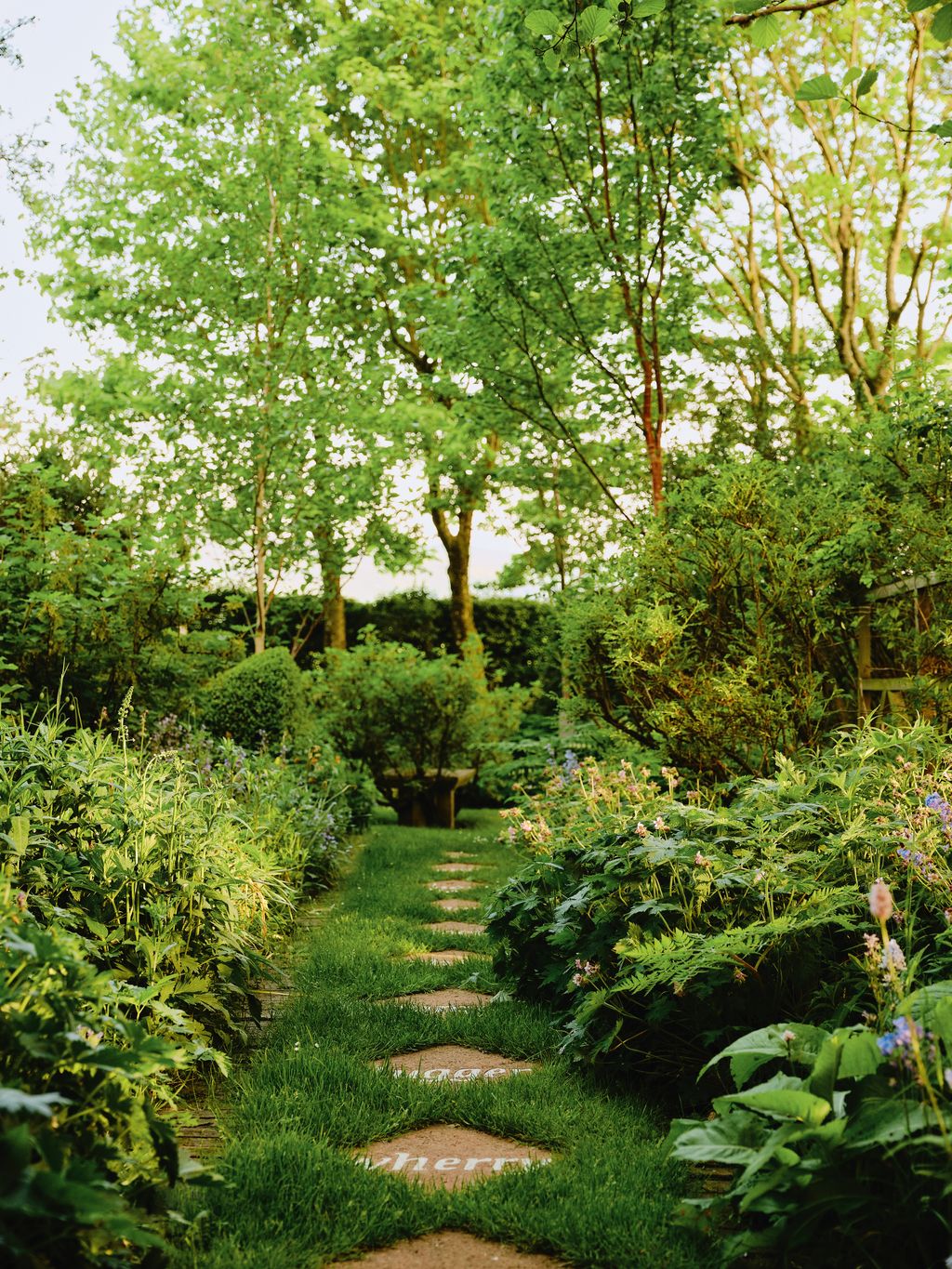
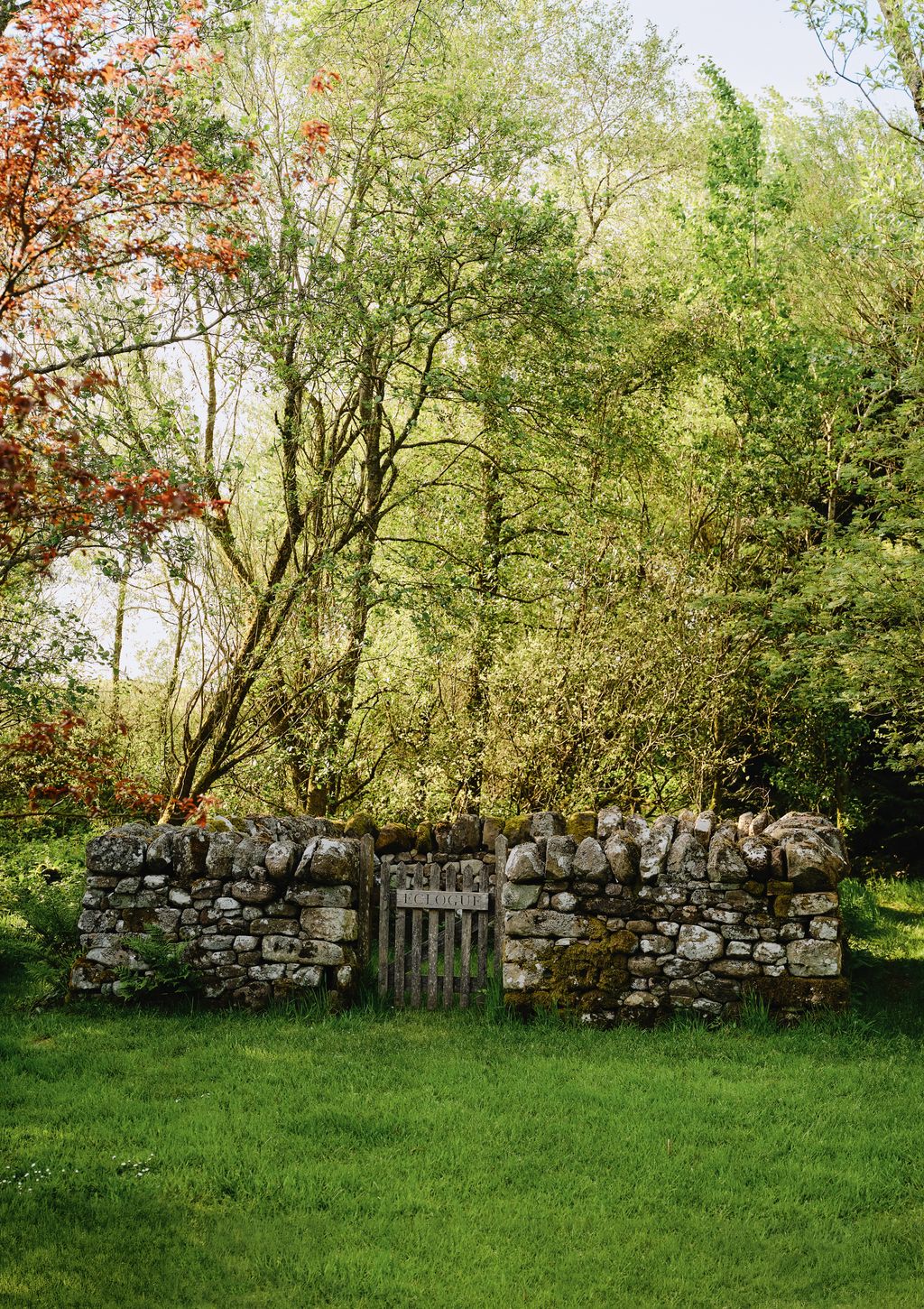
Grass plays an important role in creating the mood in different areas: paths are neatly mown, but much of the grass is kept long; so statues seem to emerge from the earth.
 Dean Hearne12/18


 Dean Hearne13/18
 Dean Hearne14/18
 Dean Hearne15/18
 Dean Hearne16/18


 Dean Hearne17/18
 Dean Hearne18/18
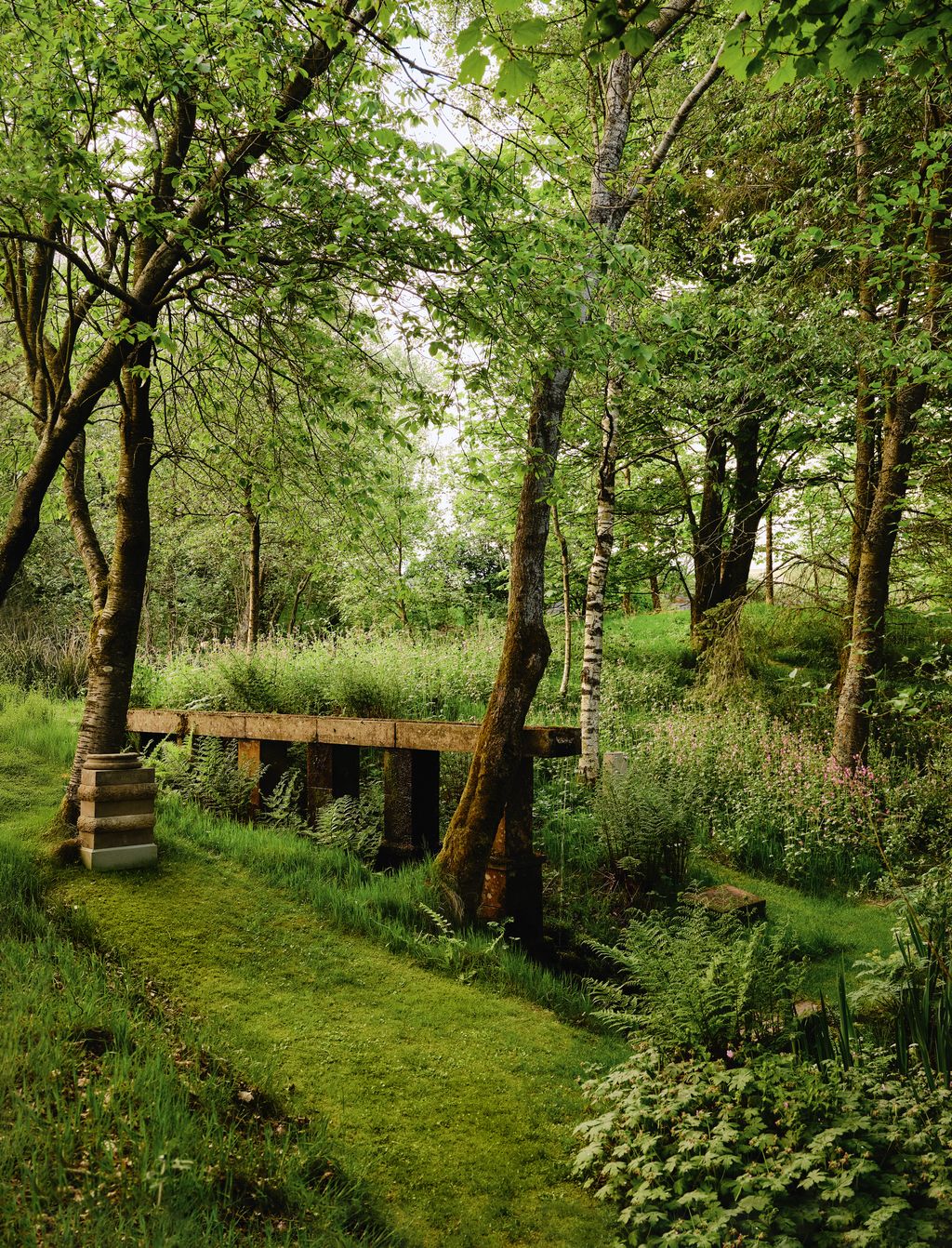
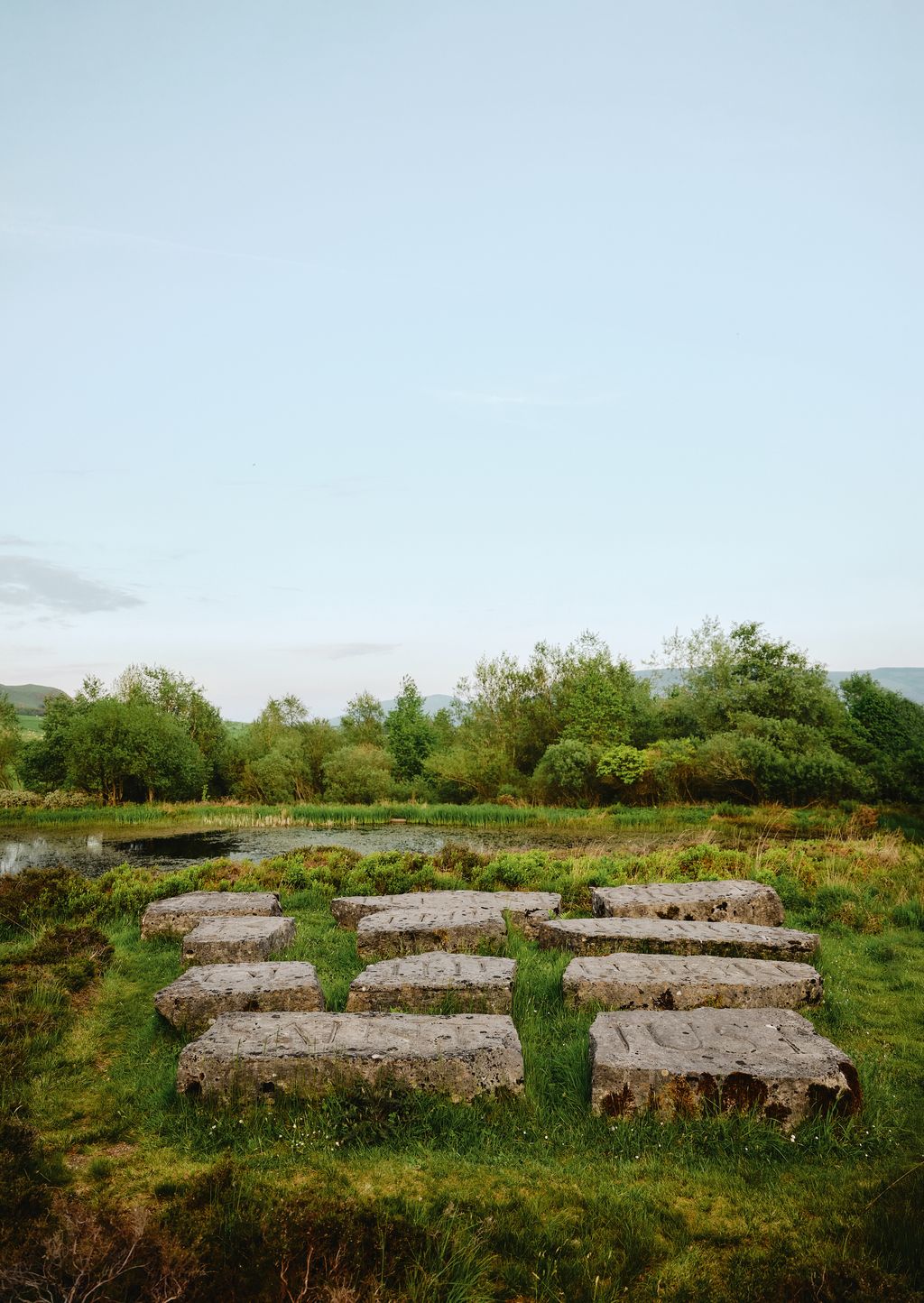
By the lake, 11 blocks of semi-dressed stone, each carved with a single word, make up a quote from Saint-Just, an advocate of the French Revolution: 'The present order is the disorder of the future'.


