
A remote Welsh garden full of inspiration for early spring planting
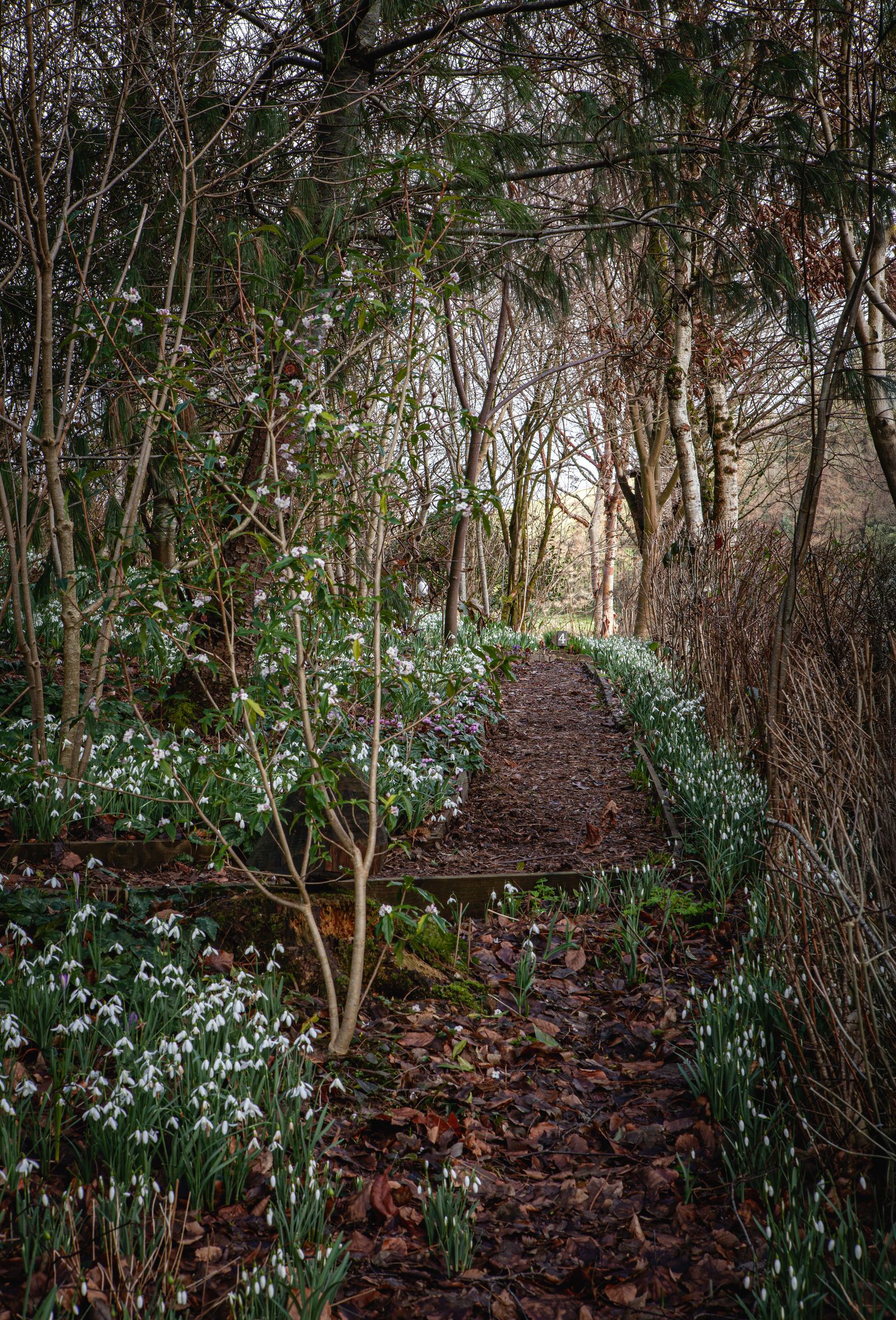
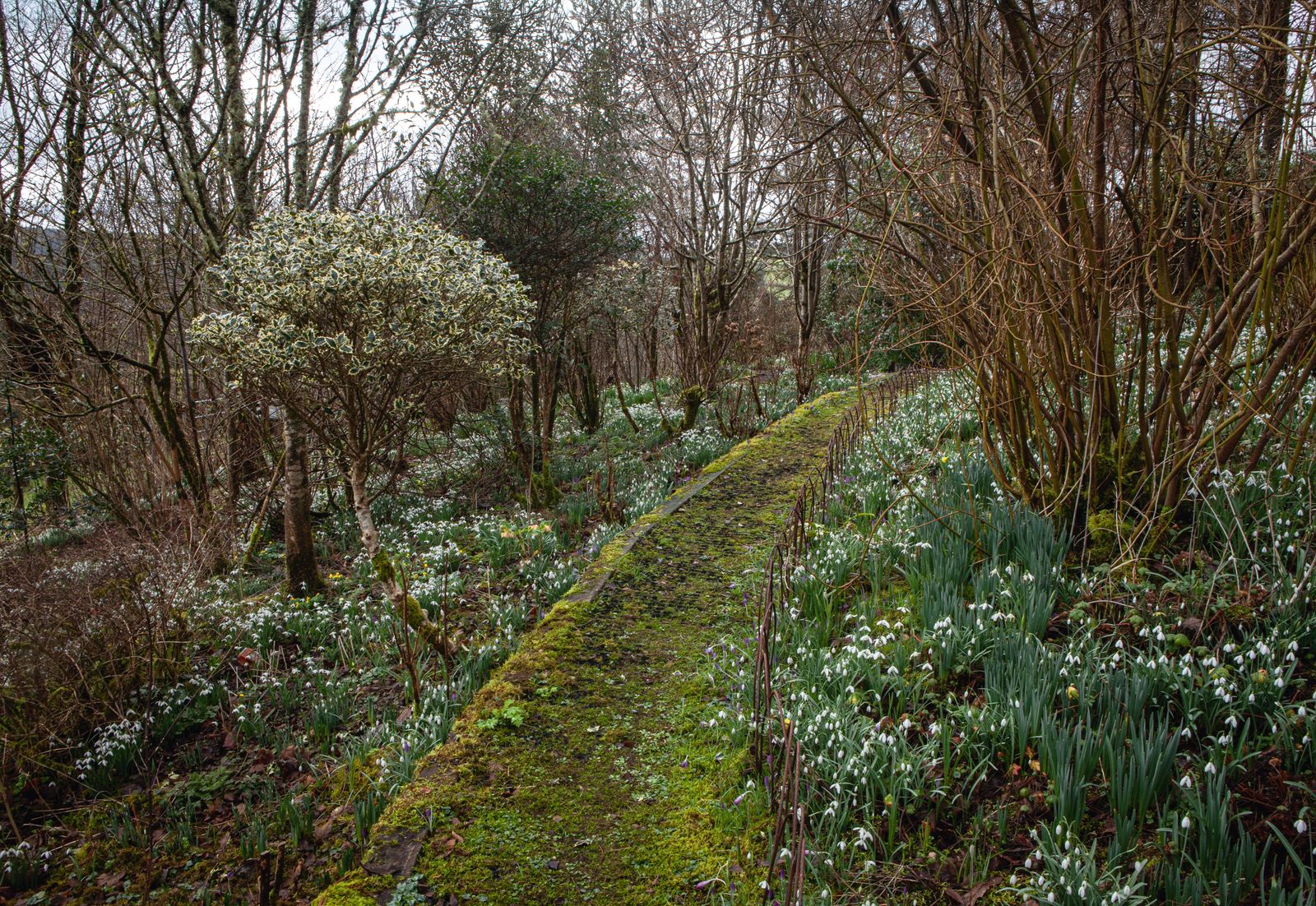
As the days imperceptibly lengthen in January and February, the garden at Gelli Uchaf is slowly awakening. Swathes of snowdrops spill down the slopes and line the paths at this remote Welsh hillside site, providing a silvery-white backdrop to clusters of crocus, cyclamen and hellebores in the rich hues of an antique rug. This early flowering is the start of a year of intensive bloom, carefully orchestrated by owners Fiona and Julian Wormald to provide as much interest as possible from January to December - for themselves but also for the bees and other pollinating insects that visit. 'We were inspired by Claude Monet's garden at Giverny and its densely intermingled plants that attract so many insects,' says Fiona. 'We're always looking for gaps in the flowering and trying to plug them, so the garden is constantly evolving.'

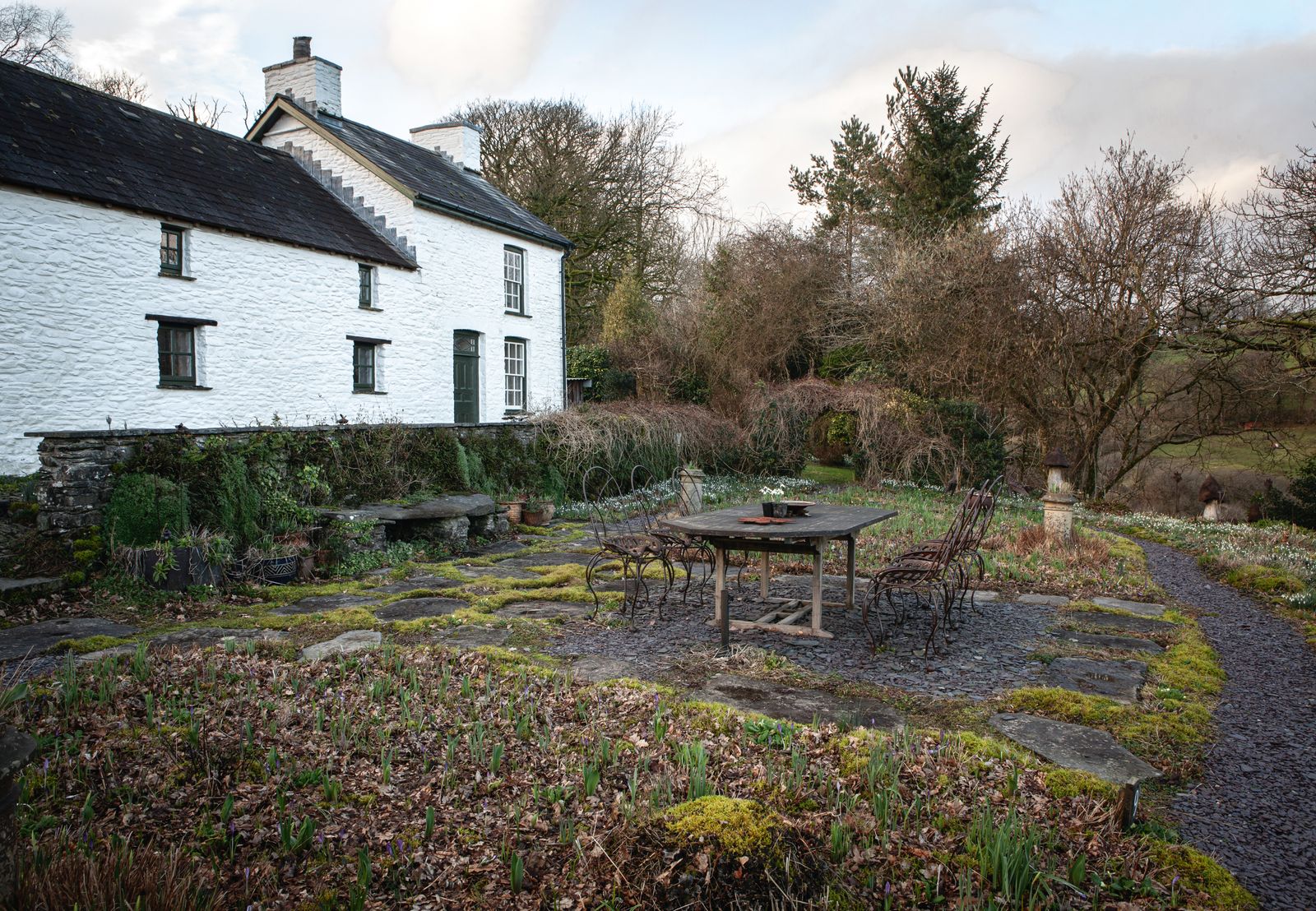
Fiona and Julian have been working on the garden ever since they bought what was a derelict 17th-century longhouse and its 11-acre smallholding, which includes a 1.5-acre garden, 30 years ago. They began by creating a large terrace in front of the house, then gradually worked outwards, adding a croquet lawn, shrub and perennial borders, a vegetable garden and a sloping woodland copse. With challenging conditions - very high rainfall, an exposed hillside site and poor soil - they felt their way in terms of planting to see what worked, moving towards a naturalistic, multi-layered scheme using insect-friendly perennials, shrubs and bulbs to maximise flower numbers throughout the year.
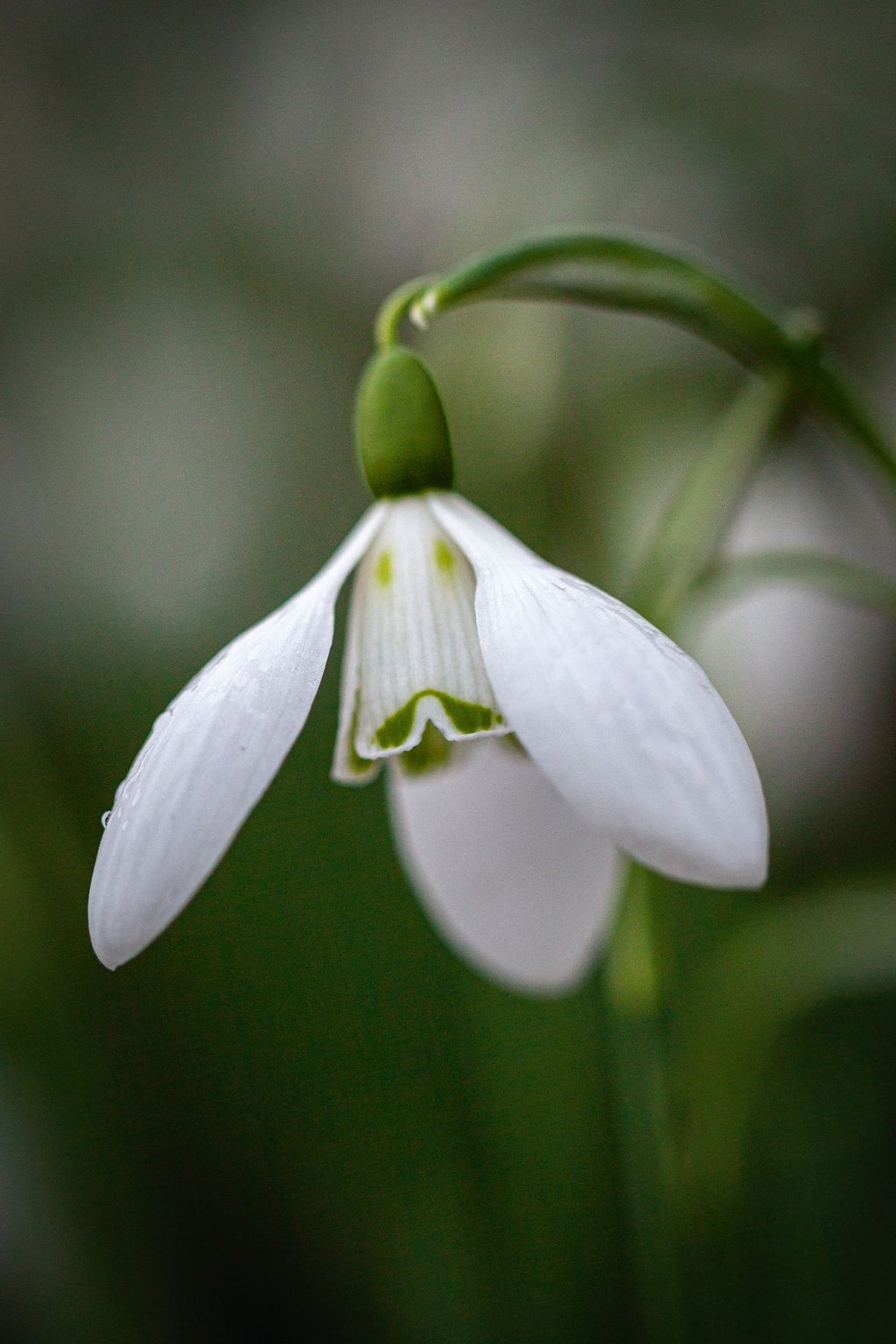
Some of the early-spring bulbs are crucial in providing nectar for pollinators when all else is dormant. The snowdrops are the first to emerge, pushing their way valiantly through the ground to greet the new year. Fiona and Julian have amassed a collection of over 150 varieties, including covetable, named ones like ‘Maximus’ and 'Primrose Warburg', as well as many unnamed local snowdrops from historic gardens in the area. 'I started my Welsh snowdrop project to find varieties that would be adapted to the local climate and conditions,' explains Julian. 'It's fascinating - each one comes with its own story and provenance.' Many, especially the Welsh ones, will spread by seeding around, increasing the colonies rapidly. Others are increased by division. Julian has found an ingenious way to do this quickly, using a Finnish Pottiputki tool, designed for planting tree seedlings: 'You can plant 500 snowdrops or crocus in an hour.' He has also found a way to speed up the naturalisation of Crocus tommasinianus by harvesting the seeds in April. 'People don't realise the seedpods are there in the grass because they emerge from the ground and not the spent flower,' he observes. 'It's a great way to introduce them to other parts of the garden.'
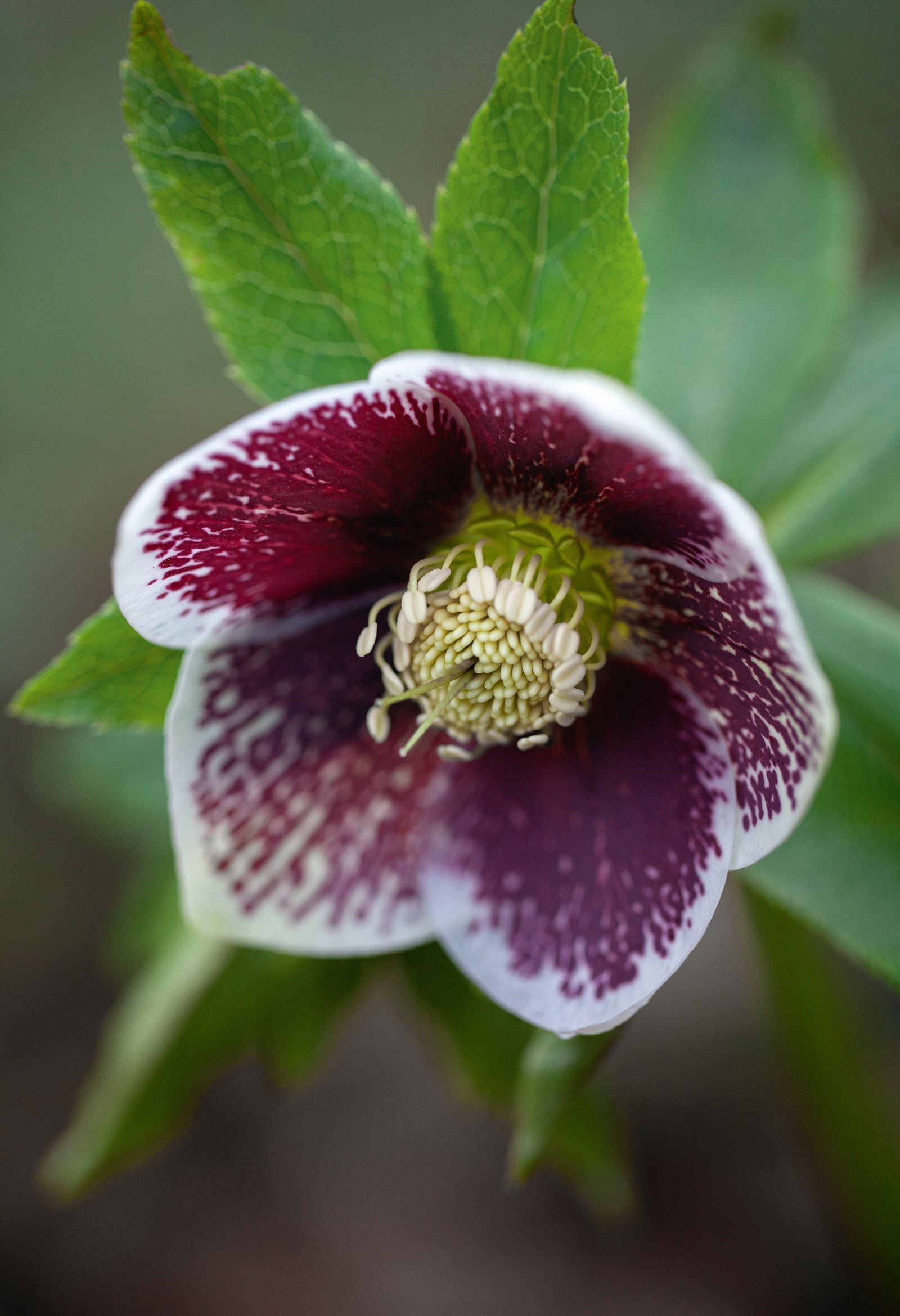
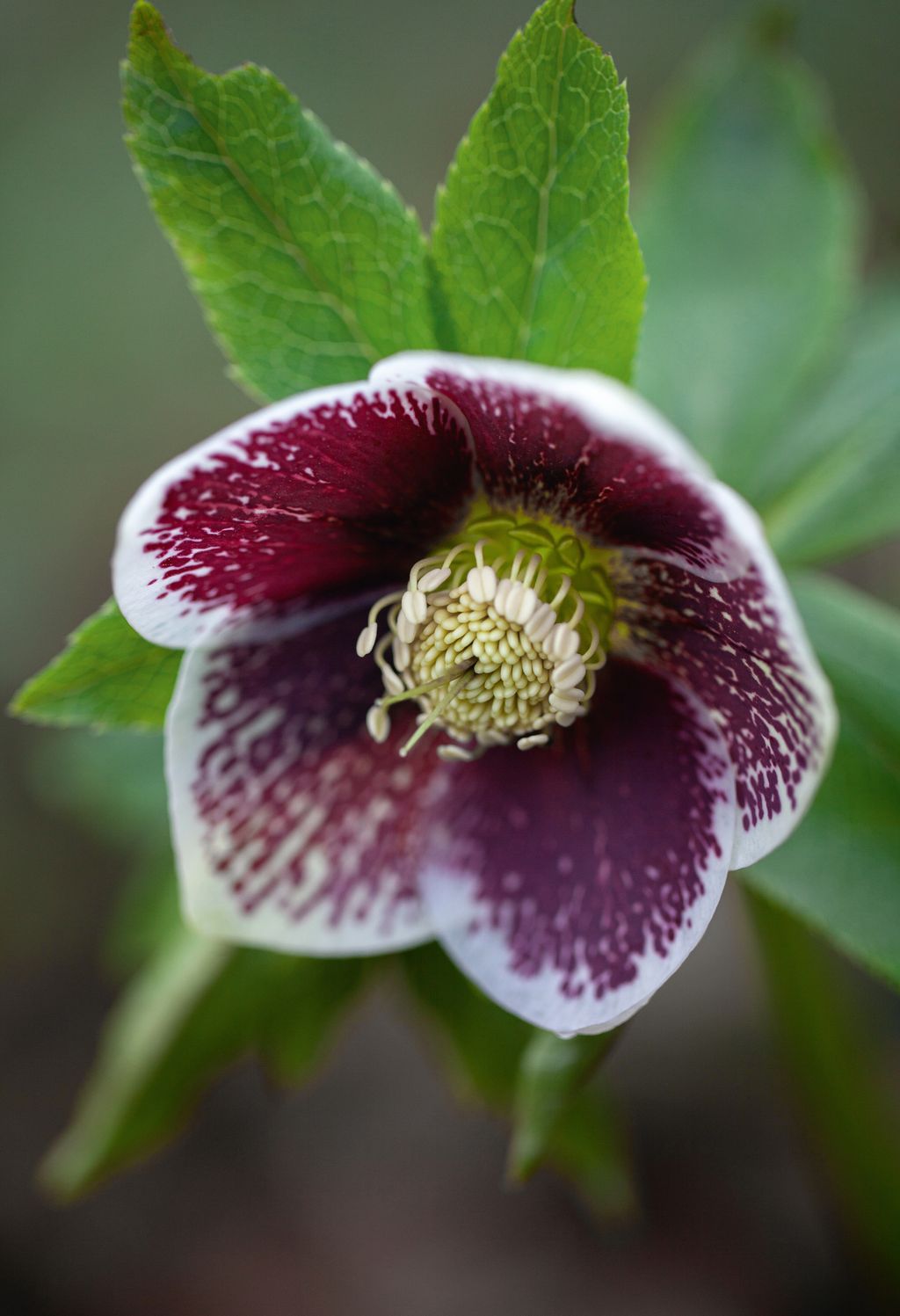
Other bulbs include Cyclamen coum, chionodoxa, winter aconites and early narcissus such as 'Eaton Song', which can flower in February. Some of the first woodland perennials to bloom include Cardamine quinquefolia, its pink flowers lighting up a shady slope in the copse, and Chrysosplenum macrophyllum, a useful ground-cover plant with tiny pinkish-white flowers and silvery bracts. ‘This is a fantastic plant for deep shade,’ says Julian. 'Although it spreads by runners, it is easy to pull up where it's not wanted as it is very shallow rooting'. Hellebores in shades of pink, apple green and deepest maroon stand above the snowdrops and cyclamen, with the odd early primrose as a counterpoint.
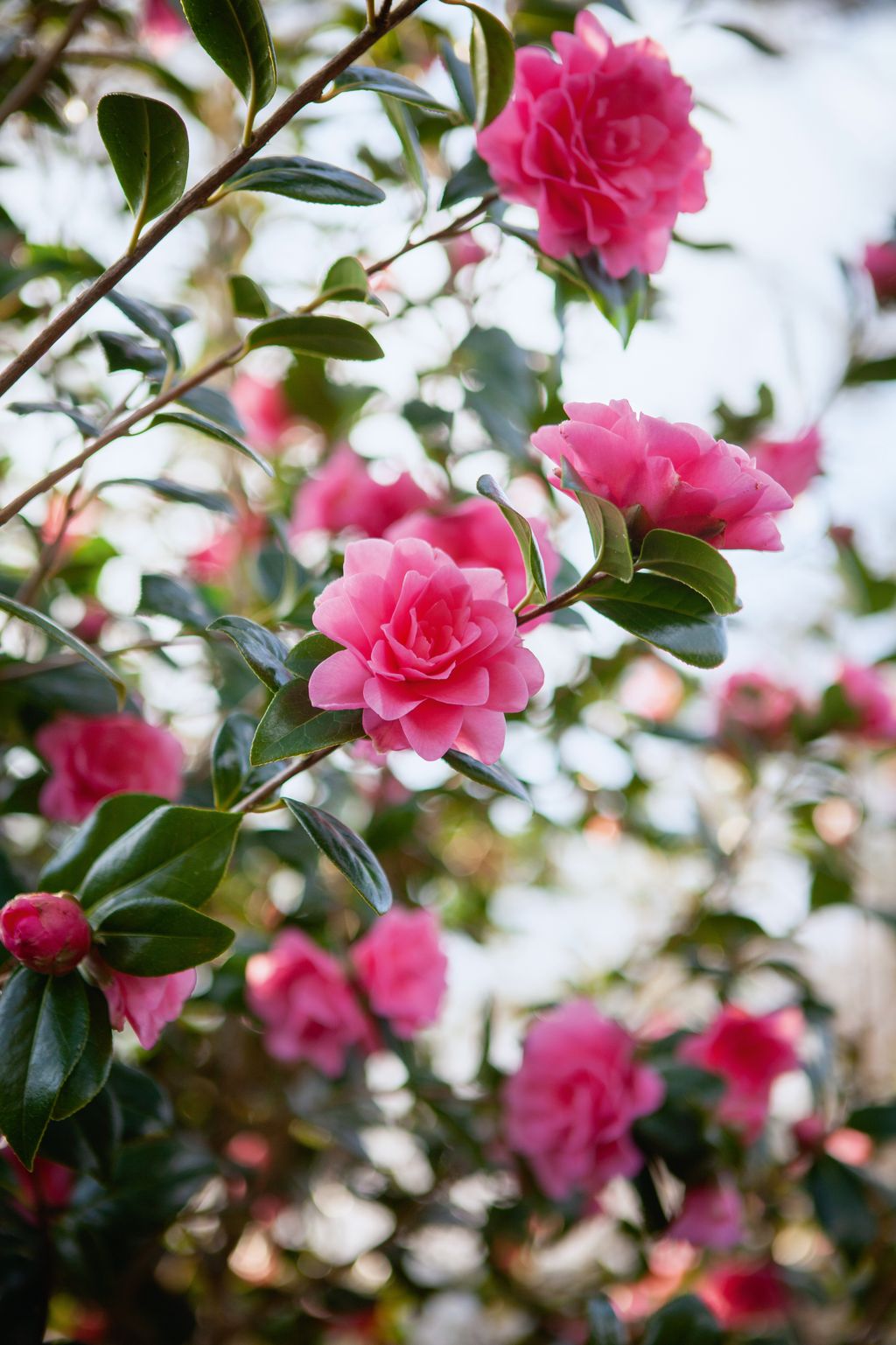
Above the lower-growing bulbs and perennials, a few treasured shrubs are coming into flower: glossy-leaved camellias, piers, skimmia and the deliciously scented Daphne bholua, which attracts the wild honey bees that Julian has been nurturing at Gelli Uchaf for years. 'They have to forage in low temperatures because they aren't fed with sugar syrup in winter, as bees kept in a hive would be, so we provide as much diversity for them as possible. For us, gardening is about the whole natural ecosystem - not just about people and plants'.
Gelli Uchaf opens from mid-February by appointment: thegardenimpressionists.com
 Sabina Rüber1/13
In the woodland coppice, hydrangea heads provide an insect habitat in winter above snowdrops and hellebores.
 Sabina Rüber2/13
Galanthus ‘Primrose Warburg’.
 Sabina Rüber3/13
Camellia × williamsii 'Water Lily'.
 Sabina Rüber4/13
Galanthus ‘Maximus’.


 Sabina Rüber5/13
Helleborus x hybridus - hellebore
 Sabina Rüber6/13
Chrysosplenium macrophyllum.
 Sabina Rüber7/13
A pink hellebore seedling.
 Sabina Rüber8/13
Narcissus 'Eaton Song'.


 Sabina Rüber9/13
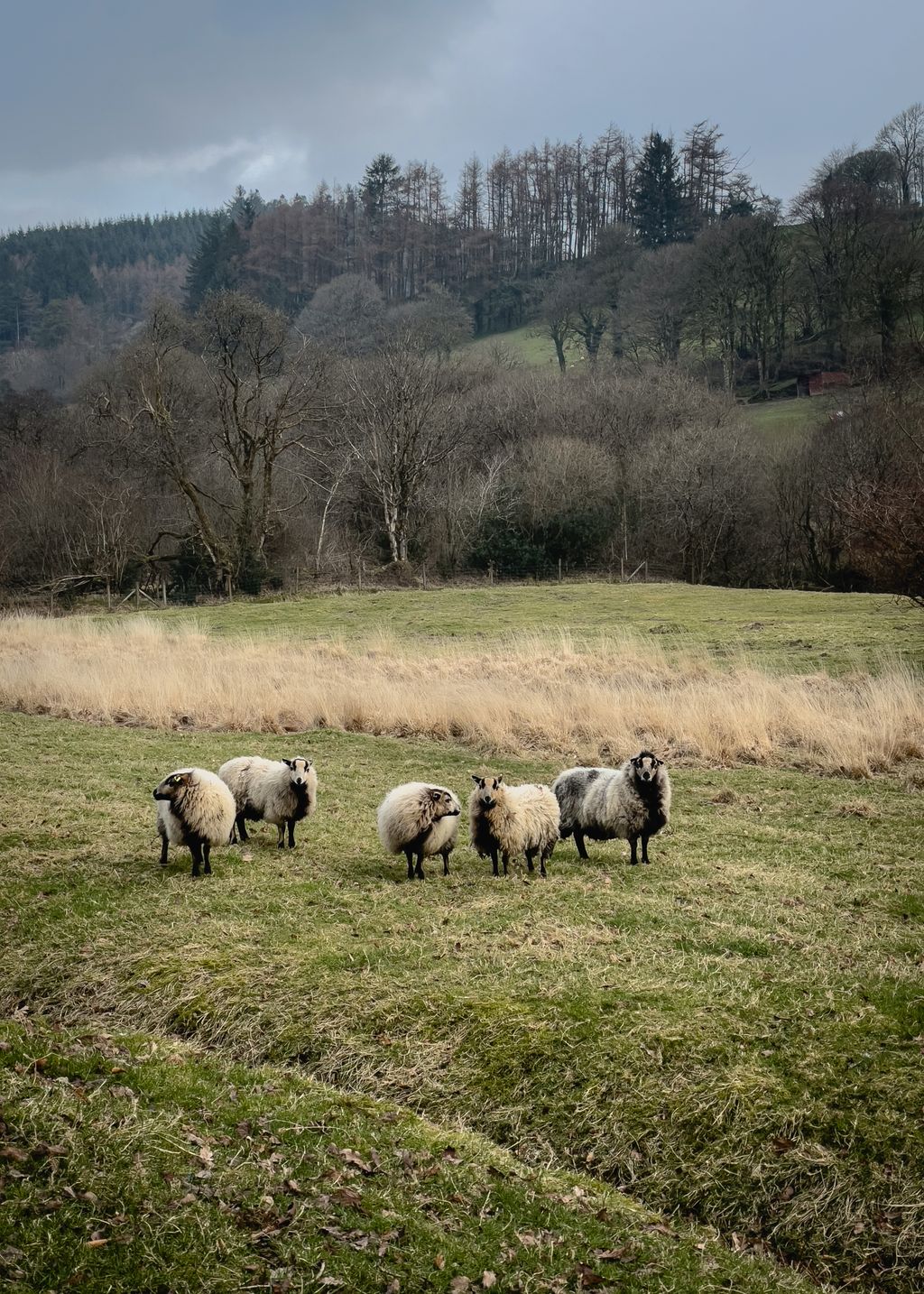
Torddu sheep in the meadow below the house.
 Sabina Rüber10/13
A double green hellebore.
 Sabina Rüber11/13
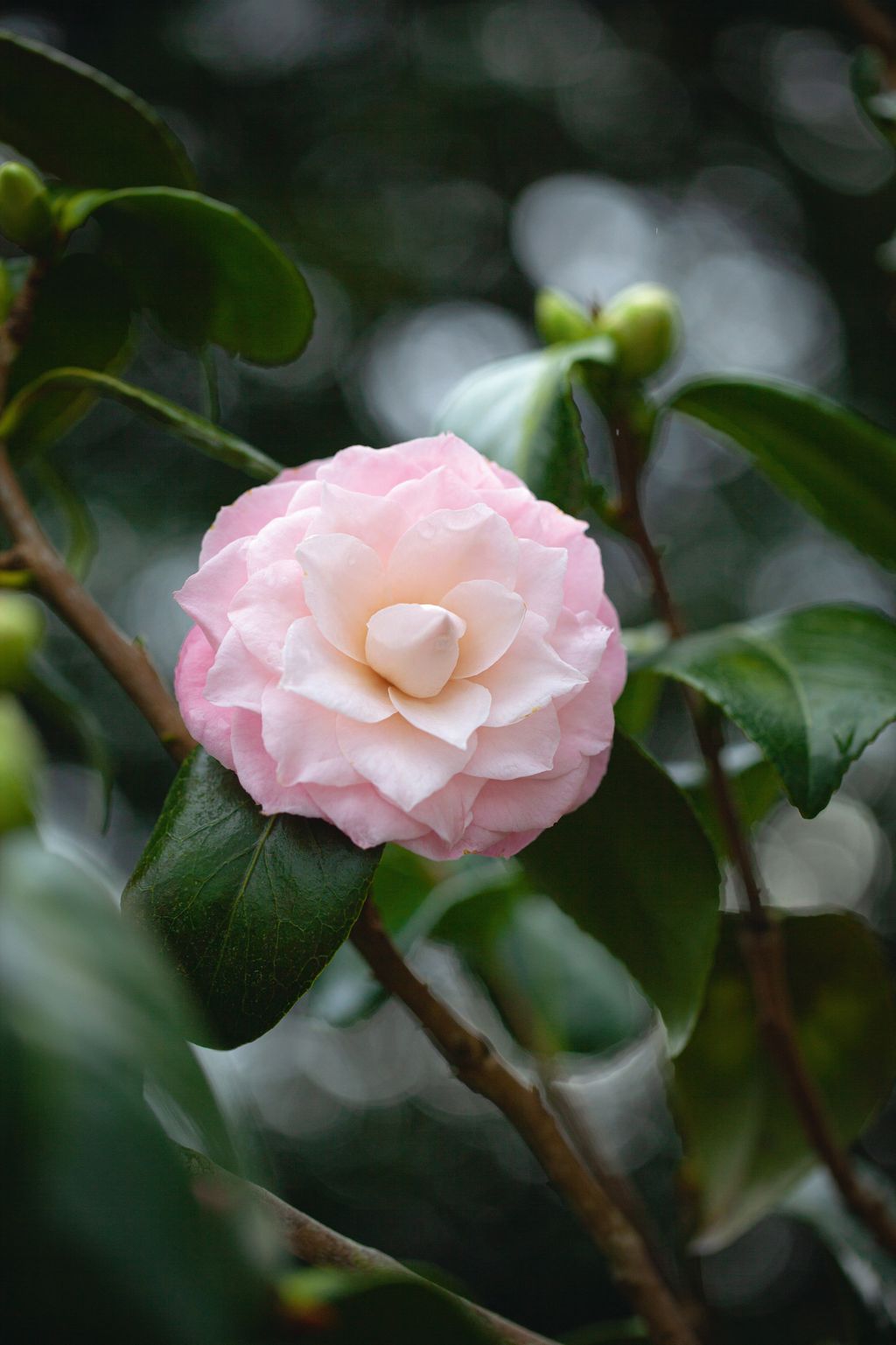
Camellia japonica 'Desire'.
 Sabina Rüber12/13
A wild honey bee on sweetly scented Daphne bholua.


 Sabina Rüber13/13
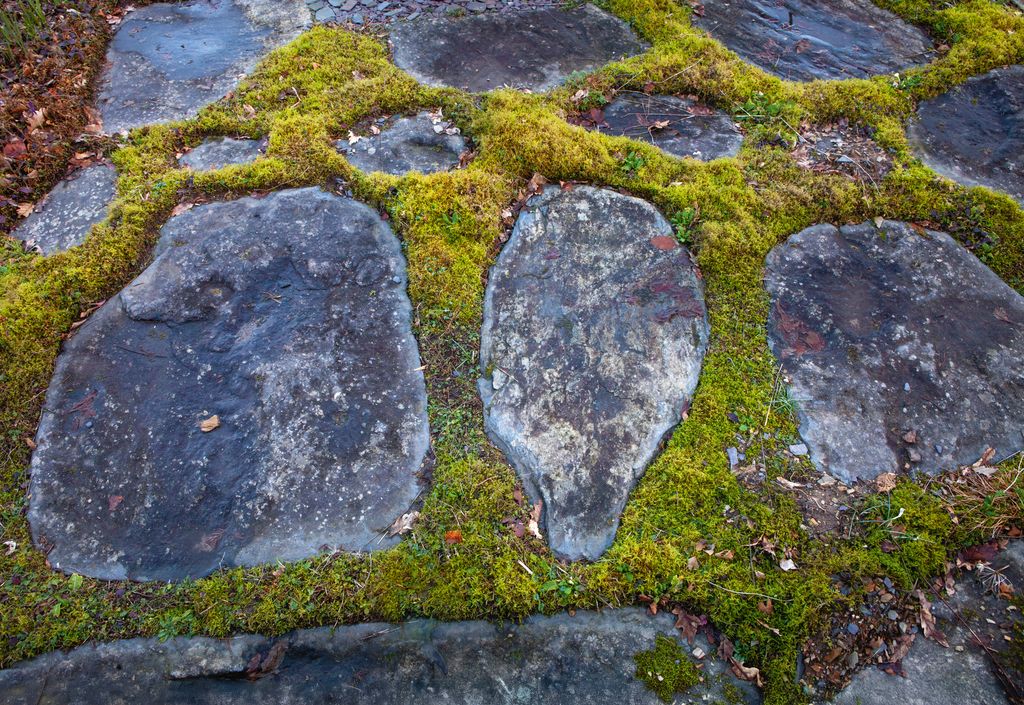
Moss-surrounded stones in the terrace garden.


