
Cate Blanchett on the vital work of the wild botanical garden at Wakehurst and its Millennium Seed Bank

Cate Blanchett’s first encounter with Kew’s wild botanic garden in West Sussex was during a moment of frazzled motherhood in 2020. ‘I was a crazed parent, who came from the school run seeking sanctuary,’ recalls the two times Oscar-winning actor, who lives close to Wakehurst. ‘A friend had suggested I visit. I only had 30 minutes to spare but I got lost for two and a half hours.’
The Melbourne-born environmentalist, who is a member of the Earthshot Prize Council and a Lifetime Ambassador for the Australian Conservation Foundation, found herself lingering by the towering eucalyptus trees. ‘I was feeling homesick, so I had a quiet weep,’ she tells me, as we sit in the wood-panelled surroundings of Wakehurst’s newly restored Elizabethan mansion. ‘They have this extraordinary brutal beauty because they can survive bush fires but their oils can also exacerbate them. I was probably feeling particularly emotional because of the intensity of the recent fires.’ (The 2019-2020 bushfire season, dubbed Black Summer, saw Australia’s most severe blazes on record.)
Cate later discovered that the Millennium Seed Bank at Wakehurst, which is the largest in the world, had been working with the South Australian Seed Conservation Centre and sending its wild plant seeds to help regenerate flame-ravaged areas: ‘That’s when I started investigating Wakehurst. It’s so much more than just a garden. I was bowled over by the work being done by the Millennium Seed Bank.’

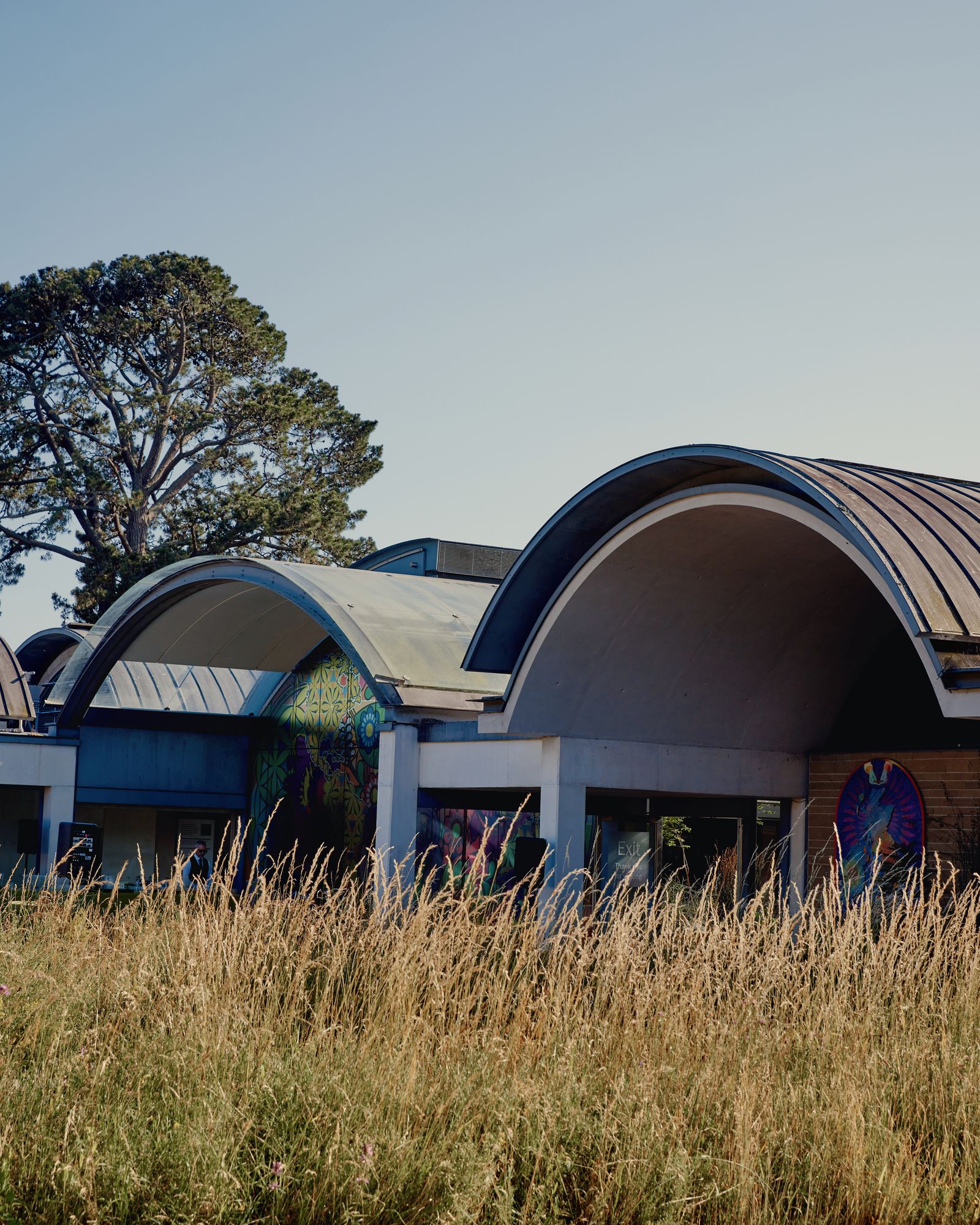
Cate had inadvertently stumbled on the most biodiverse place on the planet. The 535-acre garden is a living laboratory for ecosystem health and is arranged with a phytogeographic planting system, using often endangered species from around the world. In a few minutes, you can be transported from an American prairie, planted with seeds collected from threatened grasslands, to a Himalayan glade. But it is the sealed vaults of the Millennium Seed Bank (MSB) that hold the greatest biodiversity. This incredible ‘insurance policy against extinction’, as Cate describes it, contains over 2.4 billion seeds from more than 40,000 plant species, which have been collected with the help and collaboration of over 275 partners in nearly 100 countries and territories.
Interestingly, it is sited in one of the world’s most nature-depleted nations, according to a 2023 State of Nature report. The irony of this is not lost on Cate. ‘As an outsider, I have always viewed the landscape here as being benign, beautiful and abundant. Then you learn that 97 per cent of English wildflower meadows have disappeared since the 1930s.’ Suddenly, this green and pleasant land seems a lot less hospitable. ‘As this country grapples with what its future-facing identity should be, I feel the MSB is the most positive weapon in this country’s arsenal,’ she continues.

Last year, the actor became Wakehurst’s inaugural ambassador, raising awareness of its work and helping to drive investment in the MSB, as its projects with international partners rely on philanthropic funding. ‘Every government talks about fuel and food security, but part of their plan needs to be investment in the work that seed banks do,’ insists Cate. ‘While the corridors of power argue about the essential things for human life to continue, scientists at the MSB and partner organisations are quietly doing the work to ensure food security. We can’t wait for political solutions.’
Before we met, I took a walk through the ‘American Prairie’ at Wakehurst, planted in 2020, where towering Eryngium yuccifolium sways in the breeze and tickseed lends the meadow a rich yellow glow. It is yet to reach full bloom, but it was abuzz with the pollinators that are vital for food production. Just one per cent of North America’s native prairies remain, so, in 2019, a team of Wakehurst horticulturists went to handpick millions of wild seeds, with the help of local partners, to place in the vaults and grow in the garden. In the future, some of the seeds can regenerate the prairies, while the meadow at Wakehurst can teach horticulturists and gardeners valuable lessons about planting for climate resilience as UK summers heat up.
The MSB’s senior research leader Dr Elinor Breman, who joins us in the house, later says: ‘It’s an ecological planting [designed to mimic natural ecosystems], which means that it is changing year on year as different species become dominant. It’s not managed and manicured – it’s messy and unpredictable.’
This unpredictability is what draws Cate back to Wakehurst time and again. ‘It’s not always beautiful in a picturesque way. You see the full cycle of nature here: the fallow periods and the regeneration,’ she says. ‘Nature can be shocking, but that’s the nature of the sublime.’
Gathering seeds, drying them and sticking them in a vault is a simple notion, but in today’s rapidly warming world ‘some of the most drop-dead obvious ideas now feel innovative’, Cate points out. In reality, many of the collecting expeditions are feats of international collaboration and timing. Every summer, Elinor leads a trip to the Arctic, for example, to gather seeds from wild plants facing extinction. If a plant flowers early, she may have a wasted trip. And that’s not to mention the permits and agreements that are required to collect these ‘natural resources’. The MSB aims to conserve 10,000 seeds from one population of each species, to ensure there is enough plant diversity for some to withstand changing temperatures.
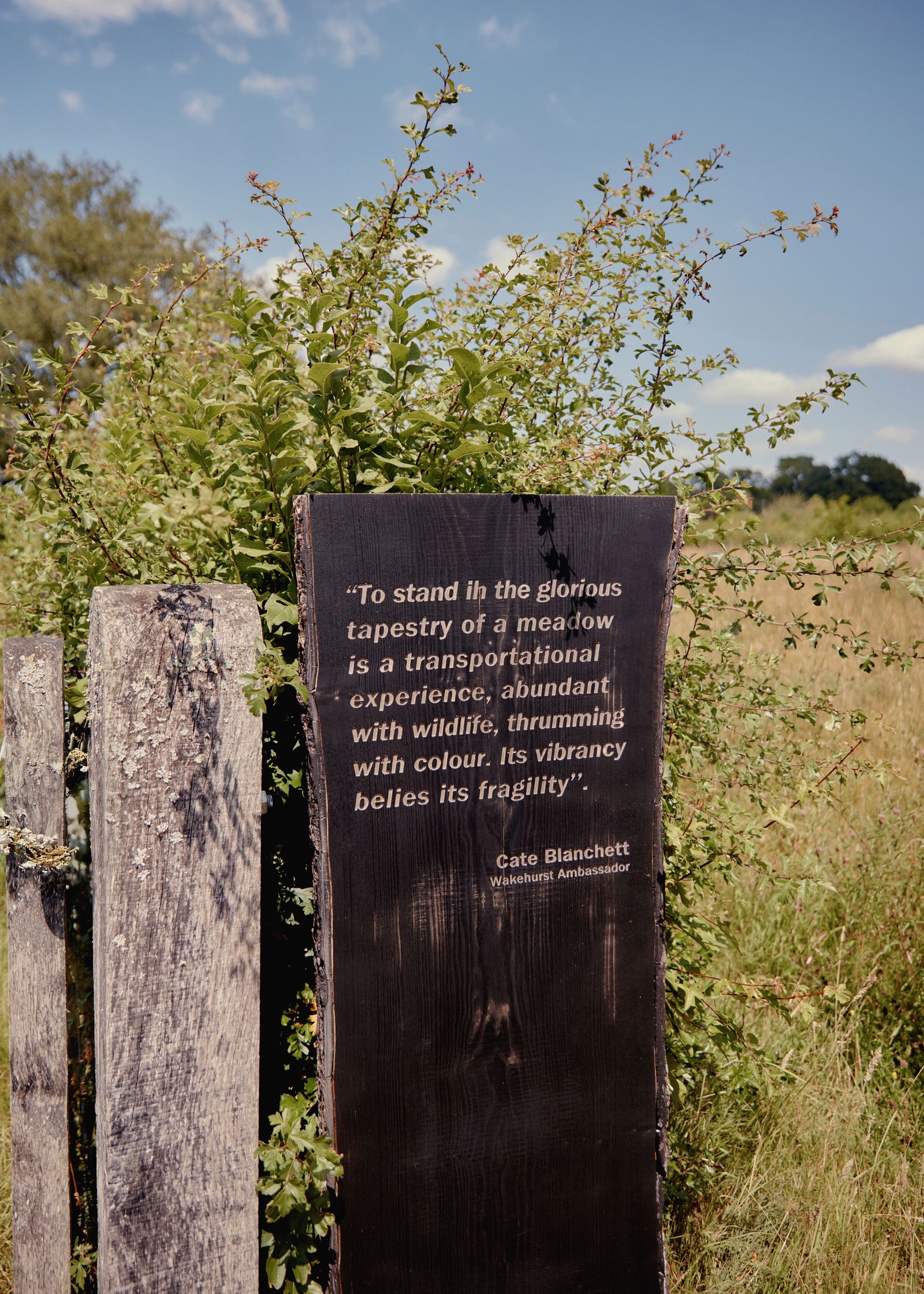
Britain’s colonial past – and the introduction of non-native species for monoculture farming – has had devastating ecological consequences around the world. Could Wakehurst’s global collaborations with conservationists, landowners and local communities help to repair a small part of the damage? It’s a positive step, Cate says. ‘Wakehurst is using its collections to build international relationships and create a global picture of ecological conservation.’
In 2022, as the world emerged from the worst of the pandemic, Cate produced a podcast called Climate of Change, with the clean technology expert and environmentalist Danny Kennedy. They explored eco anxiety and the innovations that brought them hope. But what compounds her anxiety today and what – beyond Wakehurst – drives her optimism? ‘The thing that brings me hope is also the source of my biggest frustration,’ she explains. ‘Every year, I see incredible innovations by the Earthshot Prize finalists to restore our waterways and to clean our air. But these ideas and also the work of the MSB need to be rapidly scaled up. So why aren’t there enough people investing in them?’ She pauses for a moment, before adding, ‘Anything I can do to encourage that feels important’.
Wakehurst, Ardingly, Haywards Heath, West Sussex RH17 6TN: nationaltrust.org.uk/visit/
sussex/wakehurst | kew.org/wakehurst


