
The London Design Festival, which took place from September 14-22, saw the city come to life with hundreds of showcases, exhibitions, events, workshops and demonstrations. The event is an inspiring opportunity to find out what some of the most creative minds in the design industry have been working on, and for anyone lucky enough to visit one of the 11 design districts, there was plenty of inspiration to be gleaned: a glimpse into the future of design.

At the heart of many of the showcases we saw was sustainability. Designers are paying more attention than ever to the materials they are using and the practices they employ – and quite rightly too. Particularly impressive was the inventiveness of many of them, with many working in complex ways to create something which we could conceivably see in our houses. In the bustling Shoreditch Design District, design studio Sons of Beasley set up shop in SCP, on Curtain Road, EC2A, where they manufactured and exhibited brightly coloured, joyful furniture made using offcuts of wood provided by kitchen cabinet makers Plykea.
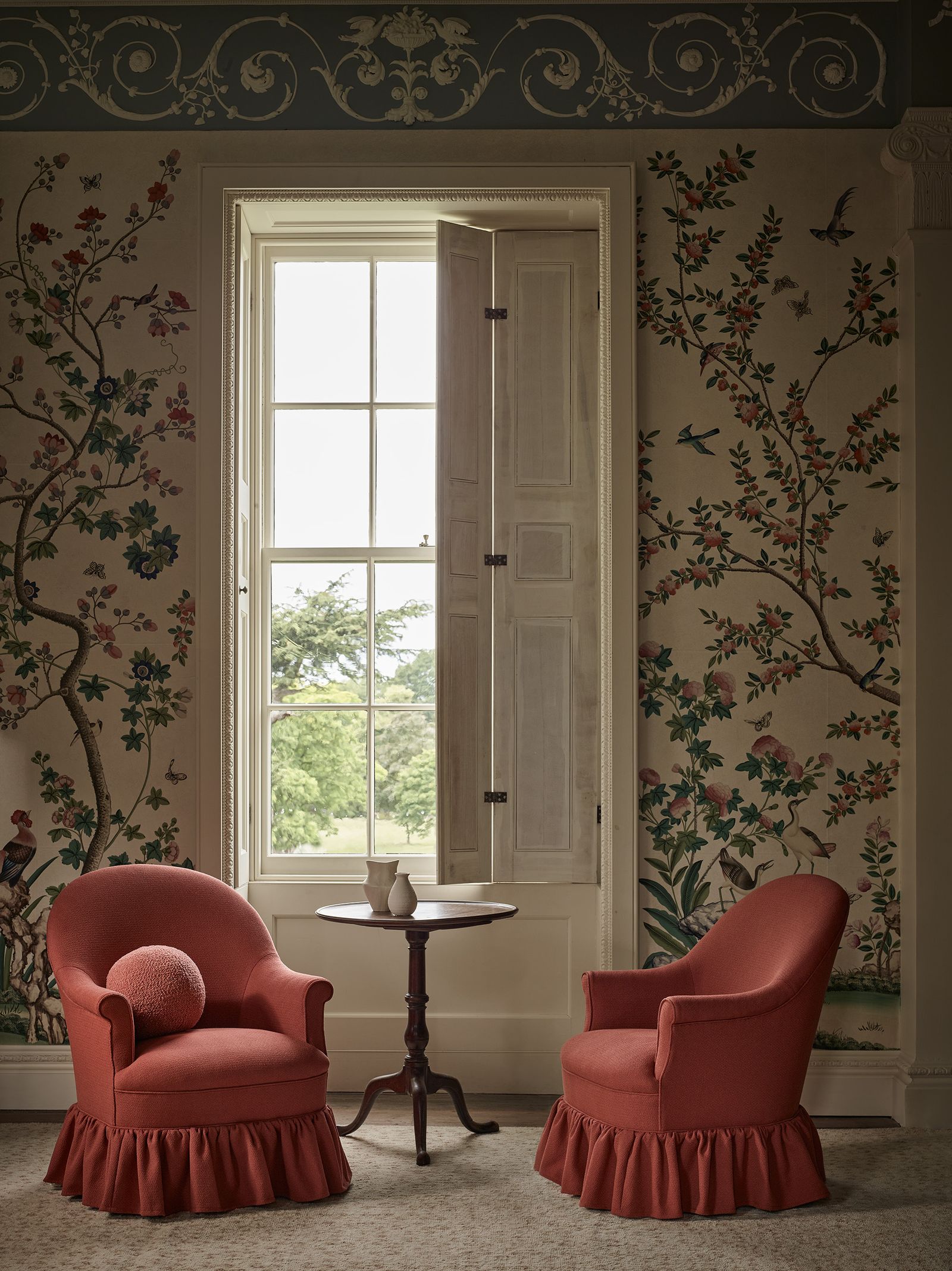
At the other end of the city, Design Centre, Chelsea Harbour hosted its annual showcase of new collections, FOCUS. Here Lorfords Contemporary unveiled its debut upholstery collaboration with interior design studio Todhunter Earle Interiors. The collection includes the ‘Markham’ armchair which is covered in ‘Albee’ cotton from The Yarn Collective: a recycled fabric rewoven from fashion industry waste that would have otherwise gone to landfill. On the topic of FOCUS, colour – and plenty of it – emerged as the star of the show. Fabric house Rubelli's new Kieffer collection came in a kaleidoscope of colours, including a delightful lilac that will surely brighten any space. Over at Osborne & Little, deep reds and greens appeared in an oversized corduroy velvet which, when upholstered onto a chair, sofa or headboard, make for a deeply inviting addition to the brand's ever-expanding fabric ranges. While you're there, don't forget to pop into the showroom of lighting company Hector Finch, which has collaborated with Sir John Soane's Museum on a large lantern which incorporates Soane's neo-classical style while mixing in gothic influences.
Across the river, the walls of Bargehouse, OXO Tower Wharf, were practically bursting at the seams with new ideas. This is where the Material Matters fair took place, where companies such as the ceramics manufacturer Solus demonstrated how new surface materials could be made using debris from buildings. A close look at the newly launched ‘Spolia’ range revealed the screws, bolts and hinges salvaged from a recent building project, repurposed and bound together to create a terrazzo-like countertop material. In a similar vein, a young maker called Rosie Napper demonstrated how she uses ceramic waste mixed with ash to create ceramic tiles which can be used for lighting or furniture. Elsewhere in the building, materials manufacturer Hydro showcased their first batch of 100% recycled aluminium. Working with a group of designers, it demonstrated how the metal – which requires significantly less energy to produce compared to raw aluminium – can be used to create lighting, furniture and building materials.
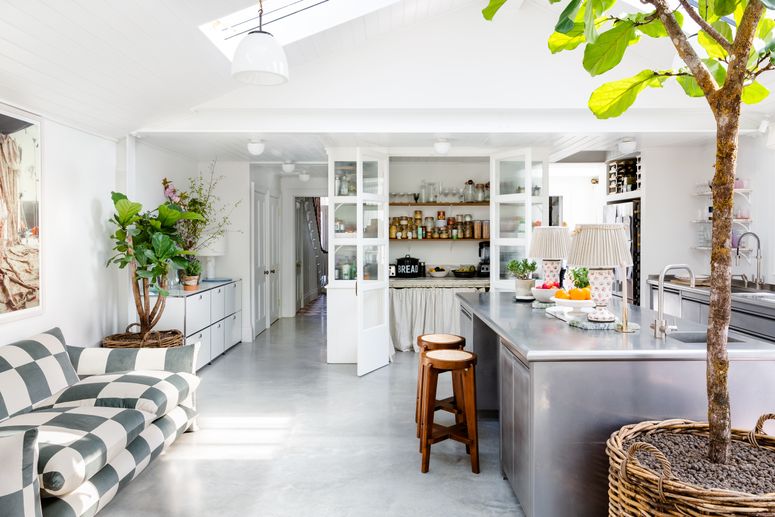
Metal in all of its iterations was indeed at the forefront of many of the designs on show this year, and one lesson to be learned is that stainless steel – which seems to have had something of a surge in popularity over the past couple of years – is going nowhere.
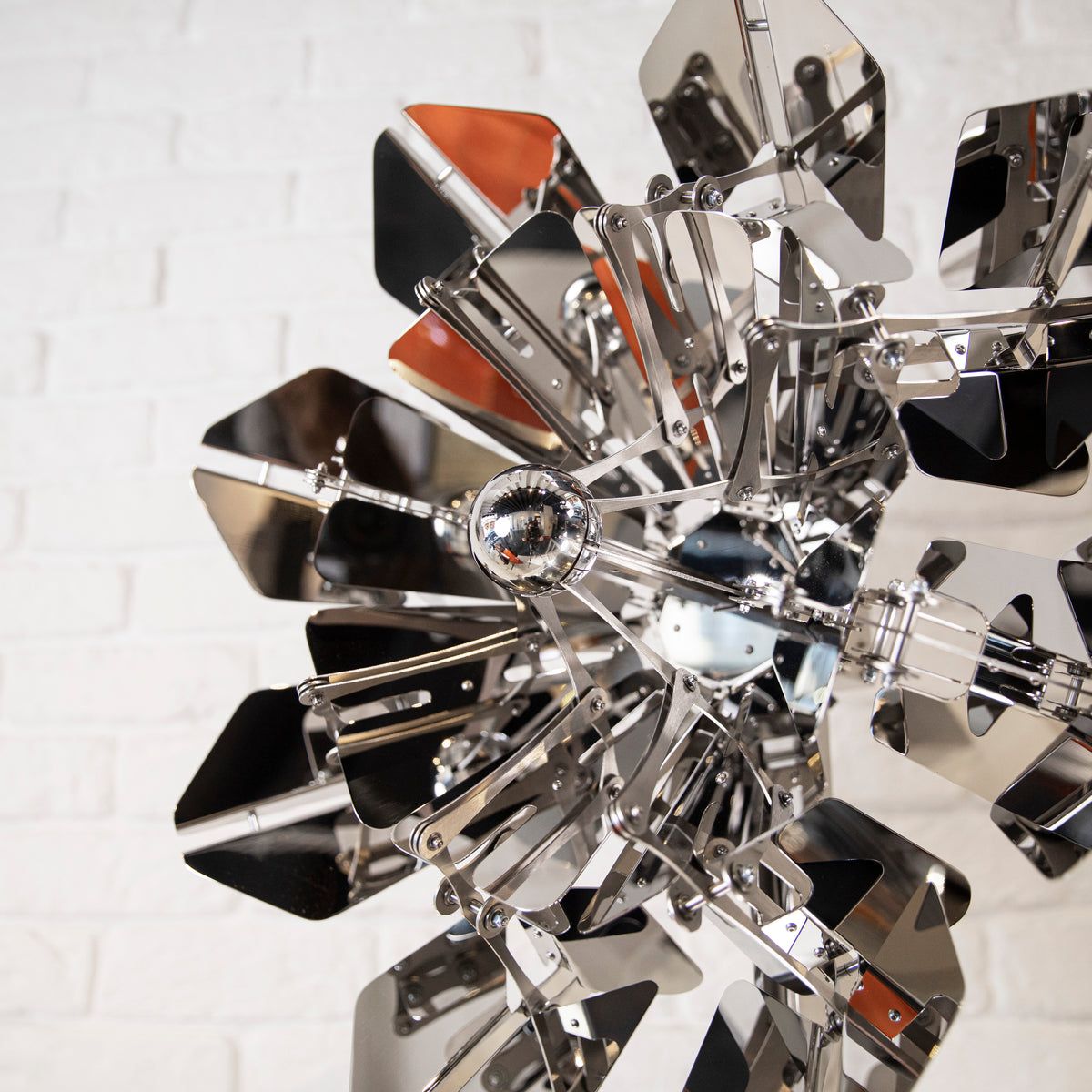
The Wax Building, a former factory in Shoreditch which has just reopened as a permanent space for furniture design studio Cosmo, played host to a pop-up from Mimialux, whose stainless steel lights (inspired by the steel silo near the brand’s headquarters in Lincolnshire) are perfect examples of the kind of modernist design that can take centre stage in today’s rooms. Down the road at The Art House, in Shoreditch, Cosmobloom, a ‘kinetic sculpture’ designed by Heyl & Van Dam, cleverly combined technology and design. The flower-like structure opens and closes, while its ‘petals’ – made in mirror polished stainless steel – reflect surrounding light and colour. At Mint Gallery, in Mayfair, architect Anmol Kapoor’s recycled cast aluminium console table – with its rounded edges and heavy structure – was a playful melange of space age shapes and industrial materials.
.jpg)
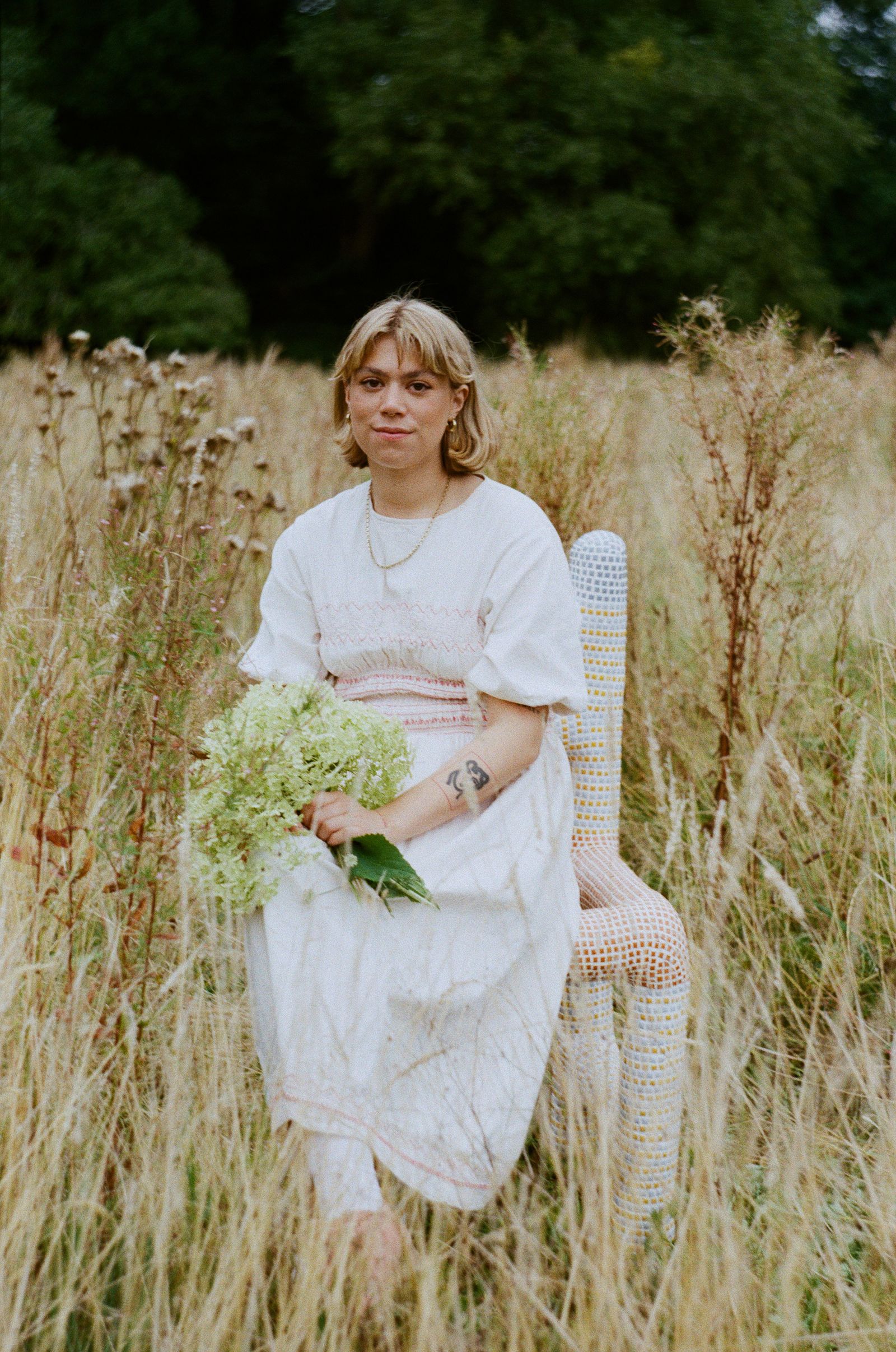
Young designers certainly had a strong presence throughout the week. A group show called ‘Under One Roof’ presented ten emerging names whose studios have been around for five years or less. Among them, London-based Byron arrived with a rather beautiful patchwork side table, made using eight types of wood and hand turned to create a smooth, rounded edge. The exhibition also included Hannah Bax’s mosaic chair, which saw hundreds of small cubes of ceramic adorn the armchair’s facade. Over in Brompton, the designer and Royal College of Art tutor Guan Lee showcased the work of twelve design students who spent the summer in a series of material-led workshops at his research facility, Grymsdyke Farm in Buckinghamshire. Guan invited three design studios – Glithero, Attua Aparicio and Marco Campardo – to lead the workshops, and the resulting pieces include a striking patinated cast bronze chair made by Lee and Chris Butler.
Proof of Concept was the first group show from a host of emerging (and more established) designers who wanted to show not just their finished products but the process behind them. Among them, furniture designer Jan Hendzel, lighting designer Phoebe Stubbs and the recently opened design studio Atelier Thirty Four exhibited their wares alongside the moulds, jibs and tools which helped form the finished product.

From the depths of east London to far out in the west, this year’s London Design Festival did not disappoint. These are just a few of the exciting things that we loved this year – those which, before too long, we expect to see popping up in the interior design and architecture projects featured in the pages of House & Garden. Keep your eyes peeled – we certainly will.


