
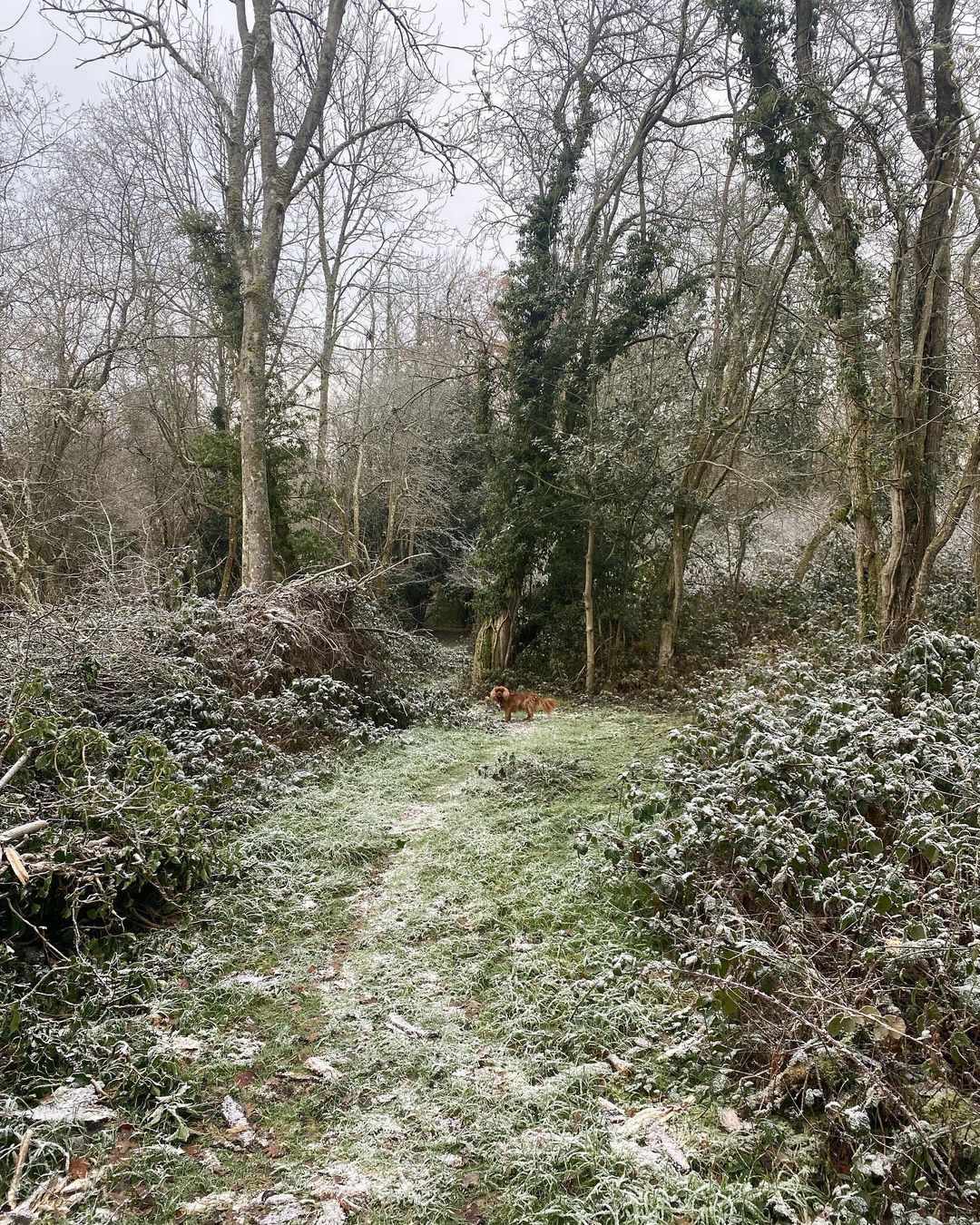
“The country has charms only for those not obliged to stay there," declared French modernist painter Edouard Manet in the mid-19th century. Indeed, Edouard has a point: it is easy to romanticise the quiet life away from the hustle, bustle and turmoil that blankets city streets. There is something indeed quite special about the countryside, of course; after all, it is here where natural beauty grows wild, fresh produce is plenty and there is novelty and excitement in the countryside's wide expanses and vistas. However, is countryside living all that it's cracked-up to be?
Just this past year, over 80,000 Londoners purchased an out-of-city house, with 78% leaving the city permanently in search of greener pastures in the British countryside. Since the onset of Covid, this moving trend has been steadily growing (consistently rising by 16% each year since 2019). It is impossible to know how each newly-minted country mouse has fared since their London exit – are they happy? settled? enjoying the scenery? Or, conversely, have the siren sounds of the theatre, last-minute dinner reservations and all-night dancing been difficult to ignore? We've asked designers, artists and other tastemakers about their experiences leaving (and, in some cases, returning to it) city life behind in exchange for the pastoral countryside – and what has surprised them most.
Bianca Fincham, communications consultant
Left London for Cornwall, then left Cornwall for London

Communications consultant Bianca Fincham traded city-living in London for Cornwall a few years ago, returning to London life only recently. While in Cornwall, she appreciated the sweep of produce and the great butchers and fishmongers in Newlyn. “I do miss the range of supermarkets in Cornwall,” she says, “[I was] spoiled for choice in Penzance whereas in London [I] just don't have a good supermarket [nearby] and the produce just isn't on the same level I don't think.” However, what her newfound city-life lacks in fresh fruits and veg is made up for in the amount of walking she now does in London.
“The most surprising discovery in moving home to Cornwall was that [I] rarely walked everywhere and drove to everything, whereas in London you walk so much more, or at least [I] do". Since returning, she's sold her car. Too, Bianca is thankful for the ability to get what she wants, when she wants it, especially when it comes to flowers. “Getting flowers in Cornwall is difficult, as it’s very seasonal, so there are lots of growers, but no real florists,” Bianca says, “You have to be quite organised which is nice when everything's in season… but if you need flowers for an occasion, they can be tricky to track down”.
Elizabeth Metcalfe, Features Editor at House & Garden
Moved from London to the Knepp Estate in Sussex
House & Garden's features editor left London this year with her husband, Charlie Harpur, so that he could take up a job as Head Gardener at Knepp, and the couple now live with their dog Teasel in a cottage on the Knepp Estate. The particular location of their cottage up an unnamed track has proved tricky. “The track down to the main road is regularly occupied by a herd of free-roaming longhorn cattle," explains Lizzie, “and I have missed trains before due to them lying down in the way. They’re a constant presence and always in the way when you don’t want them to be. We also have a little ford to drive through, and when it’s particularly wet as it has been recently, my little car feels very much at risk.” Living on a track also makes getting deliveries tricky. ”I have to put instructions on anything I ever order, and delivery drivers have often left parcels on the main road 2km from our house."
And Lizzie finds herself more reliant on online deliveries now than ever before. “I had this belief we’d move out here and be surrounded by much better fruit and veg and meat, and then you realise that everything is a car journey away, there’s no hub of beautiful shops with great produce, but everything is spread out. So if you want to be efficient you just have to do online deliveries.”
Like a lot of houses that aren't located in villages, the cottage is not connected to the mains gas, which means that they need deliveries of oil at least once a year. “It literally is the case that an oil tanker has to come to your house, and you have to book it in advance. If you run out, you don’t have any heating or hot water.”
Exercise has also become something that needs to be consciously planned, unlike in London where it's quite normal to walk or cycle for long distances on a regular basis. However, the commute on the train has been an unexpected pleasure. “My station is quite an early one on the line, so I always get a seat, and I like having a solid hour to read or plough through my unanswered emails."
But there are plenty of upsides to living in the country too. “We wake up early in the morning to this lovely dawn chorus, and we hear owls when you walk outside late at night. We often have pheasants wandering through the garden, and we can see deer roaming in the fields nearby. I don’t have to go far to feel that nature is a presence.”
Jeremy and Cath Brown, founders of design studio Feldspar
Moved from London to Dartmoor, Devon

Upon first moving to Devon, founders of design studio Feldspar, Cath and Jeremy Brown, were forced to adjust to a much slower pace of life. Their house, up on the moor with, had no internet or phone connection to speak of; however, “it was just what we needed with a 3-month-old baby though, and we ended up starting Feldspar [their design studio] because of it”.
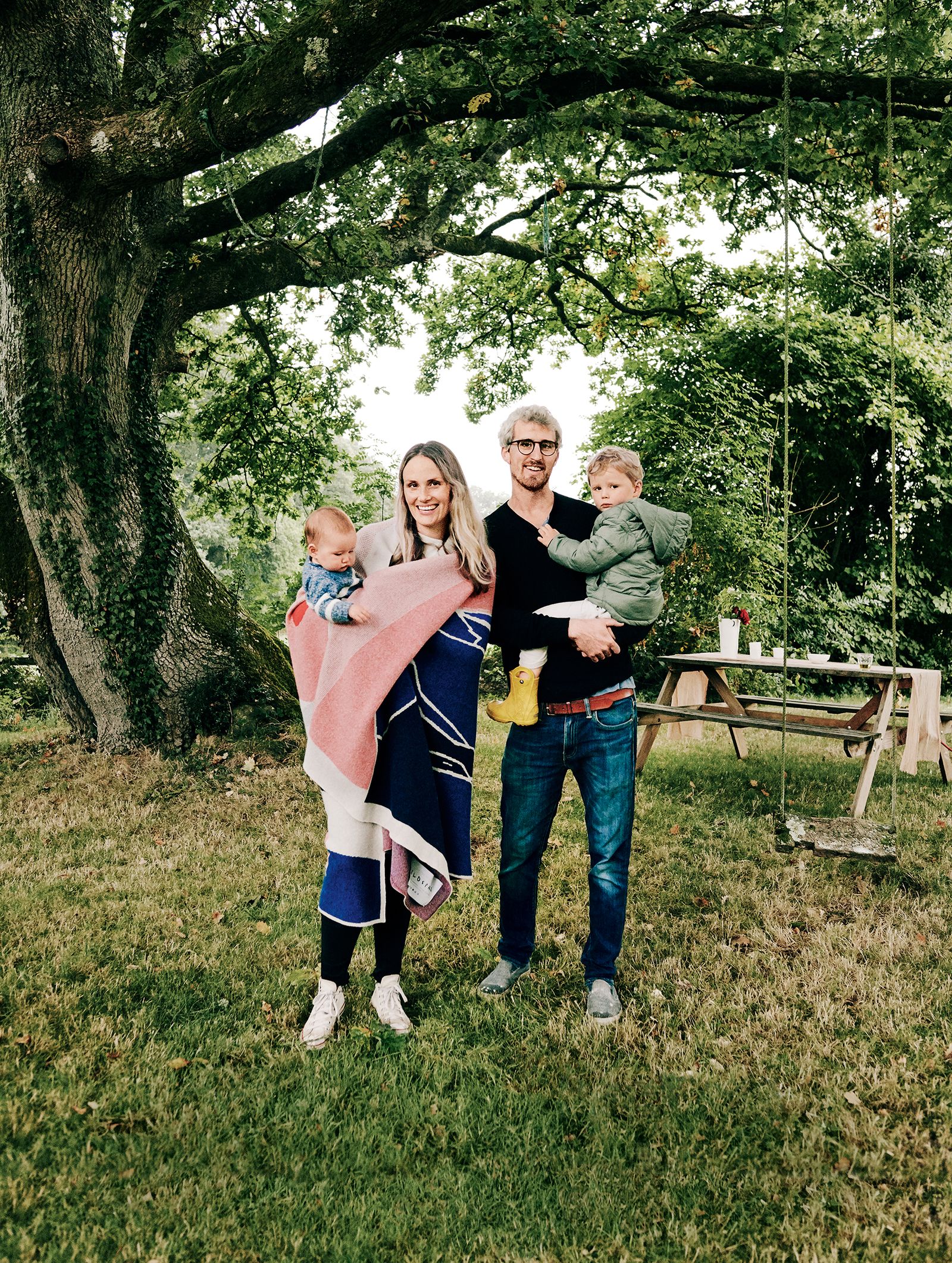
Undeterred from their disconnected start to life in the country, they cannot fathom returning to city life ("perhaps when we're oldies and have our free bus passes," says Cath, “or only if I could live in the Barbican…”). Living in the space and quiet of Devon is a “huge luxury,” says Jeremy, “one that was emphasised massively during lockdowns”. Indeed, the couple have traded traffic jams for loose livestock traffic ("always when you're running late already") and, despite the irony of being geographically further away from their neighbours, there is still a mighty community in Devon. “People really support each other, and it’s not weird to invite strangers round for coffee, it’s just a lovely thing to do,” says Cath.
The only issue with countryside living for the couple? “As our home is right in the middle of fields and farms,” Jeremy says, “so it’s a constant battle to keep the mice and squirrels out of it. We even have birds regularly joining us in the kitchen, taunting Bernard the dog”. However, no matter how many vermin require chasing, the couple's move to Devon has fuelled Cath's newfound obsession with wildlife: “I’ll sit in the oak tree of a summer’s evening to see the resident barn owl fly past, and I’ve invested in a night vision camera to find out just what is eating my broccoli plants and to spy on the deer in the fields. Whenever I see a new bird I’m obsessed with finding out what it is, and what it’s doing and why”.
Rémy Mishon, Assistant Decoration Editor at House & Garden
Moved from London to Rye
Assistant Decoration Editor at House & Garden, Rémy Mishon, left London for practical reasons: “towards the end of last year,” says Rémy, “I was priced out of London, so my partner, rescue dog and I packed up and moved to Rye, straddling the countryside and wild seaside in a rented cottage in a quiet village on the edge of a nature reserve”. Rémy explains that life as she knew it completely changed – "a total 180 compared to my previous flat (and life)"; a stone's throw from the majority of my friendship group, a short walk to three stations, amenities aplenty and wearing silly shoes most days," she says.
However, no matter the issues that inevitably accompanied her move, Rémy found comfort in the mantra, ‘it’s romantic', a phrase she “muttered under my breath as I missed the bus that comes once an hour and only between 9am and 5pm”. ‘It’s romantic’, Rémy would repeat to herself, as she made the two-mile trek home carrying a sack of potatoes in the rain. ‘It’s romantic', she would hum as she walked her dog under the cloak of darkness, shoes squelching in dog mess not once, not twice, but thrice. ‘It’s romantic’ Rémy and her partner chimed in unison, “waddling down the stairs three jumpers, a jacket, hat and scarf when [they] couldn’t get the temperature in our house above 5 degrees”.
Rémy explains that she is not “completely useless", but having only ever grown up in cities, her default is “a little bit useless”: “I don’t drive, roadkill upsets me, I’m needlessly frivolous – I’m working on all three,” she says.
During the first week after their move to the countryside, Rémy and her partner “kept hearing a tapping behind a fort of boxes in front of the wood burner”. She continues, “making a peep hole through the stacks, I realised in panic that our stove was not haunted and in fact sparrows had flown down the chimney and were now trapped in the cast iron cavity. What unfolded was very 127 Hours as these little fluffy beaked baubles kamikaze’d against the glass pane as I desperately tried to move a mountain of boxes marked ‘BOOKS. V HEAVY’ shouting ‘We’re running out of time!!’ My partner (a country boy and very unfazed by everything) took on the attitude of ‘we’ll get around to it when we get around to it’ and continued with his Zoom calls.”
Eventually, Rémy says, “the stove door was accessible and as I rushed around trying to find a large piece of fabric to cover and calm the birds so I could take them outside, my partner opened our front door, then the stove door and watched as the sparrows went swiftly from A to B. Though they were not all so lucky. One sparrow had broken its neck during the wild thumps against the stove door. I was beside myself.”
Rémy naturally wanted to give it “a formal burial ashes to ashes, dust to dust (I would have worn a robe and everything),” but instead, she says, "we left the corpse in the front garden for the neighbour's cat. A peace offering in exchange to stop using our flowerbeds as a litter tray. (No dice)." In the daylight of the next day, Rémy came downstairs to discover the tapping again: “This was our morning every day for a week until the landlord fitted netting around the chimney. I may have used the word ‘traumatised’ in my email.”
Overall, though, Remy doesn't regret her move, “It’s a tough world out there in the sticks,” she says, “but the views are nice.” Indeed.
Mark Smith, interior designer
Left London for the Isle of Wight
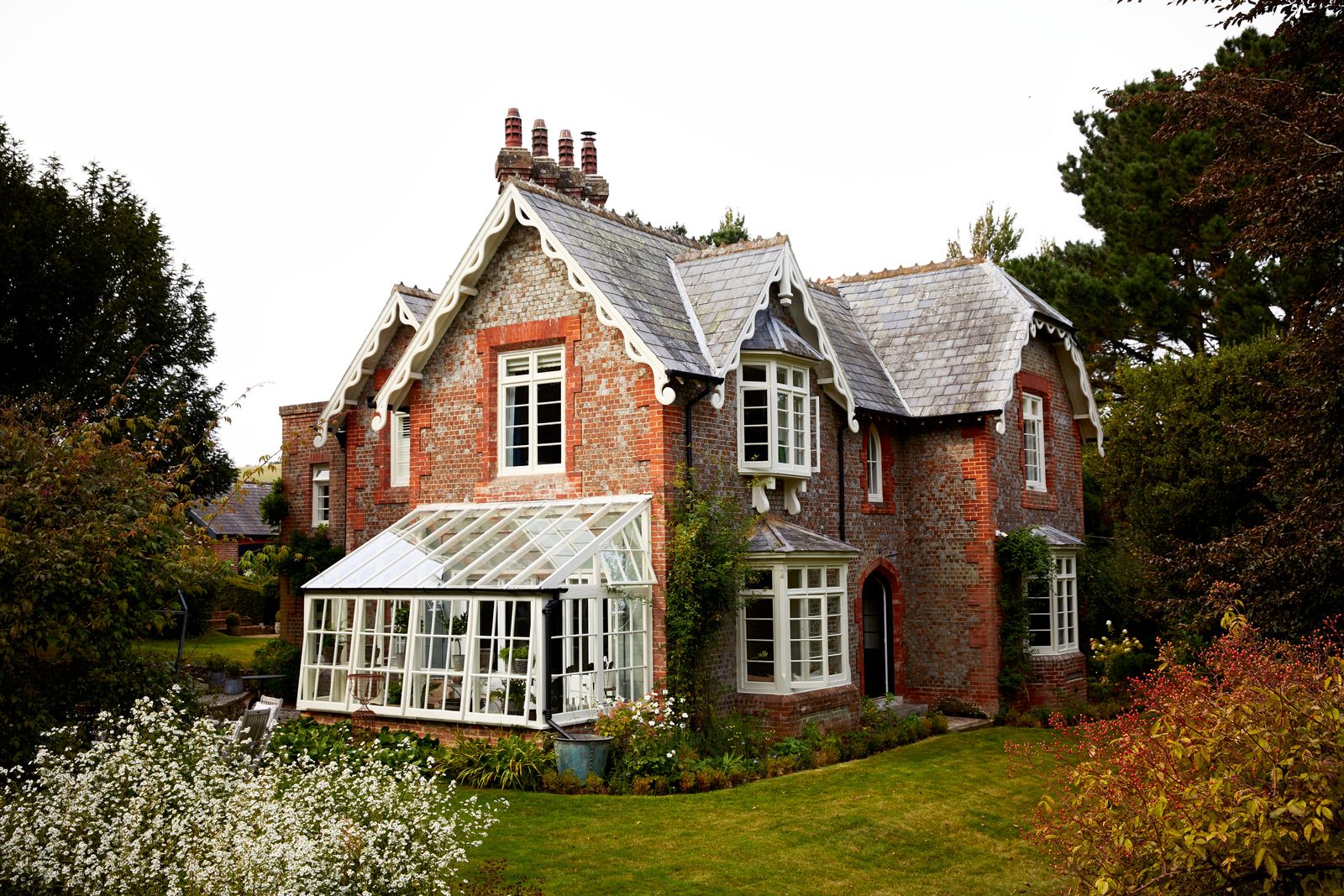
Shortly before Covid lockdown, interior designer Mark Smith moved from London to the Isle of Wight. “It was a bit like doing urban cold-turkey for someone who has never lived outside of London,” says Mark, who hadn't left the city since 1979. “Luckily,” he says, “I moved into a large-ish house with 2.5 acres of garden so had plenty to keep me occupied but it was still a shock to the system after 40 years of city life.”
Since selling his London home and moving from his office in Chelsea, Mark enjoys having “everything in one place”, and says that working from home was a “complete ‘change of life’” for him. “I love the sense of space I now have,” he says, “with wonderful rural views, proper fresh air and a real window on the change of seasons.”
There are a few pitfalls to living on the Isle of Wight for Mark, however. “Socialising requires a bit more planning and people tend not to eat out so much here but entertain at home more," he says. Mark also misses London's ease of transport: “Taxis are expensive and have to be booked in advance so if you’re having a lot of fun at a friend’s house suddenly you have to leave or risk turning into a pumpkin.” Too, Mark misses the “buzz and speed of London living”, having never “lived ‘provincially’", which was quite the “adjustment, [living in] a less dynamic environment”.
However, no matter his distaste for certain aspects of countryside living, Mark does not regret his move. “I love my house and garden,” he says, “and the geography of the Isle of Wight and have (and continue to make) great friends."
Catriona Gray, writer
Left London for Sussex
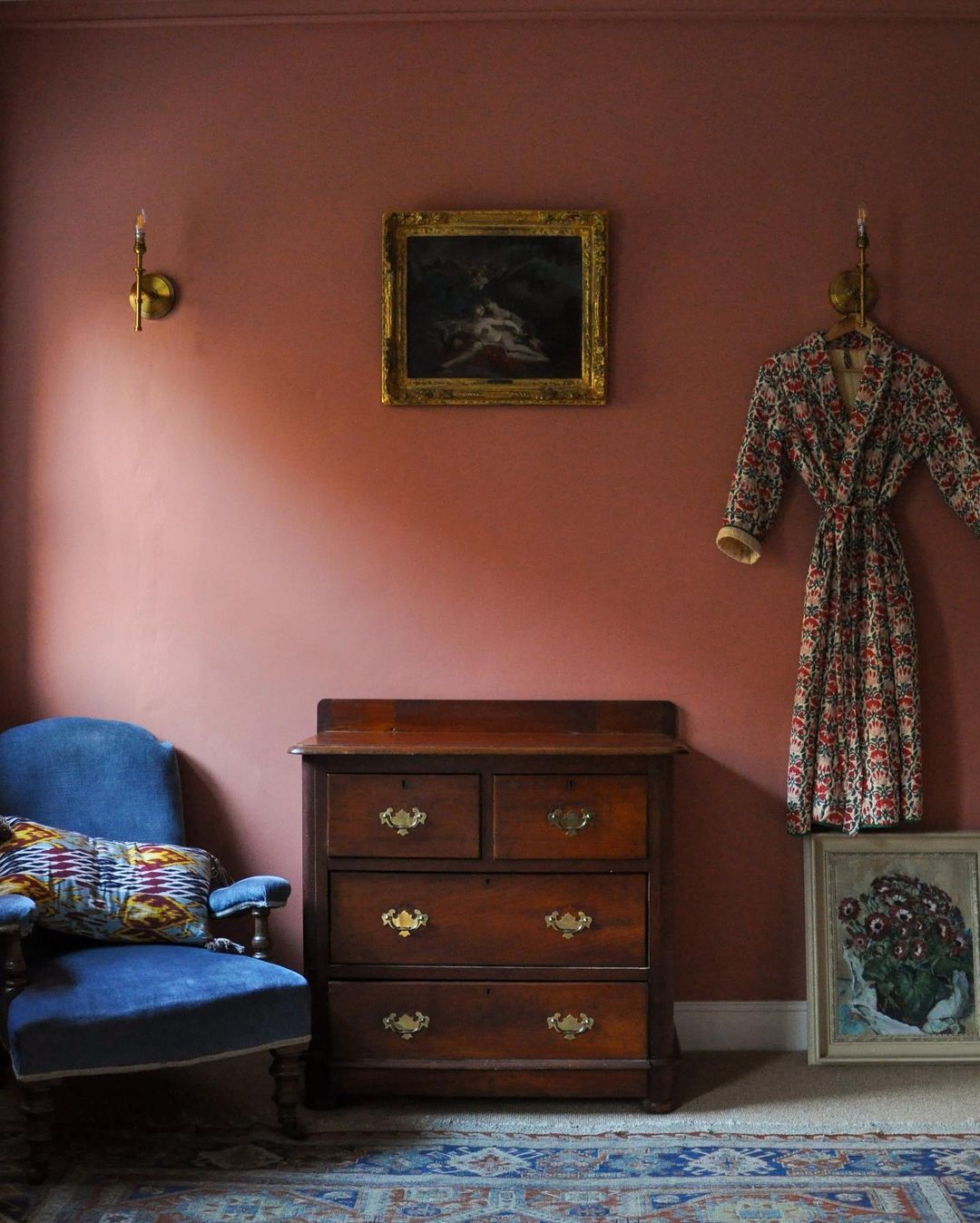
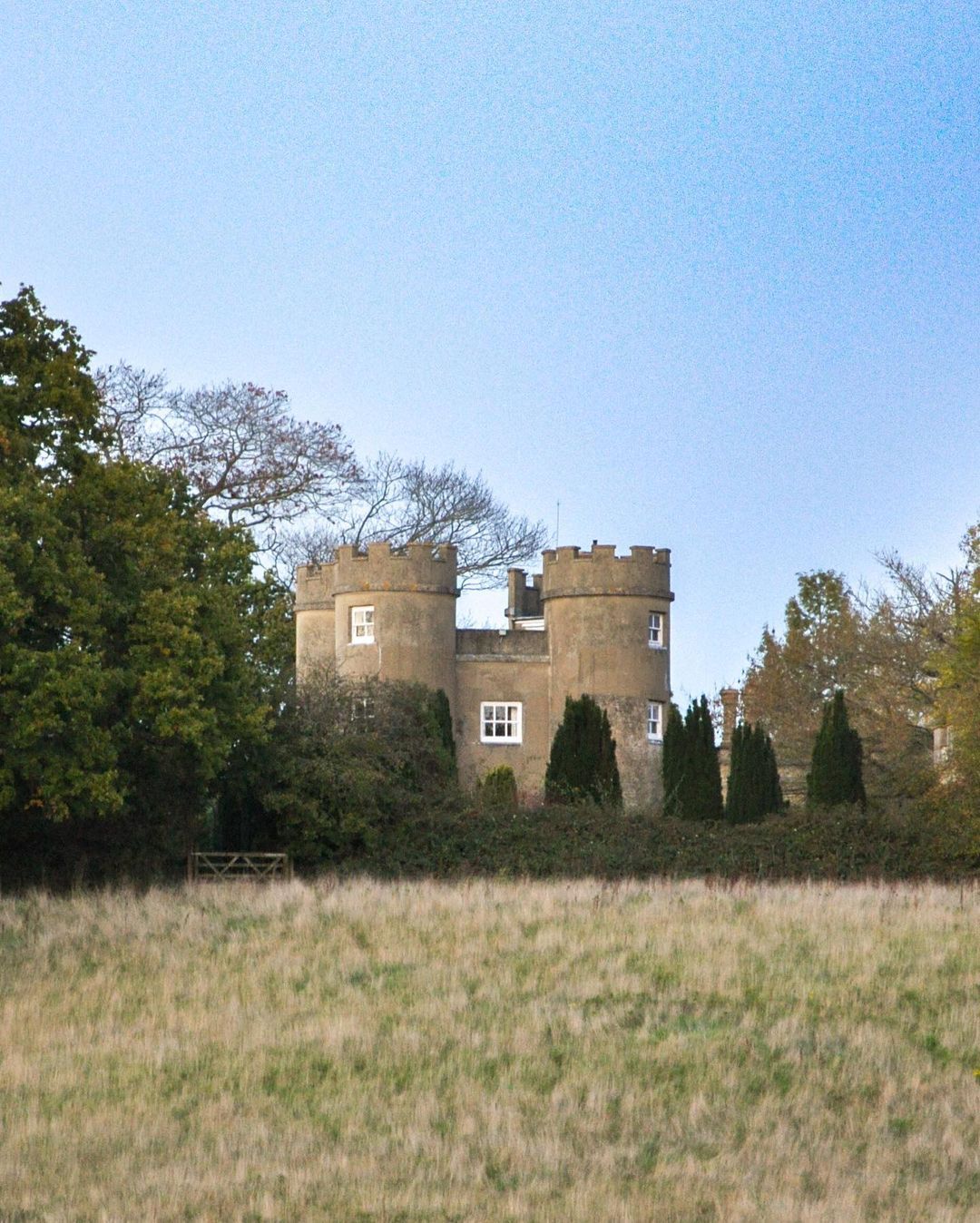
Growing up in rural Ireland, writer Catriona Gray “always loved being outdoors”. However, as a teenager, she dreamed of living in London, which made for a very torn sensibility. “I suppose there’s always that element of wanting both worlds,” she says, “and that can be quite tricky to achieve.” After spending lockdown in Ireland, Catriona and her husband realised they both “wanted to be in the countryside”. However, as her husband has a full-time job in the capital, wherever they settled next would have to be “somewhere that was reasonably commutable”.
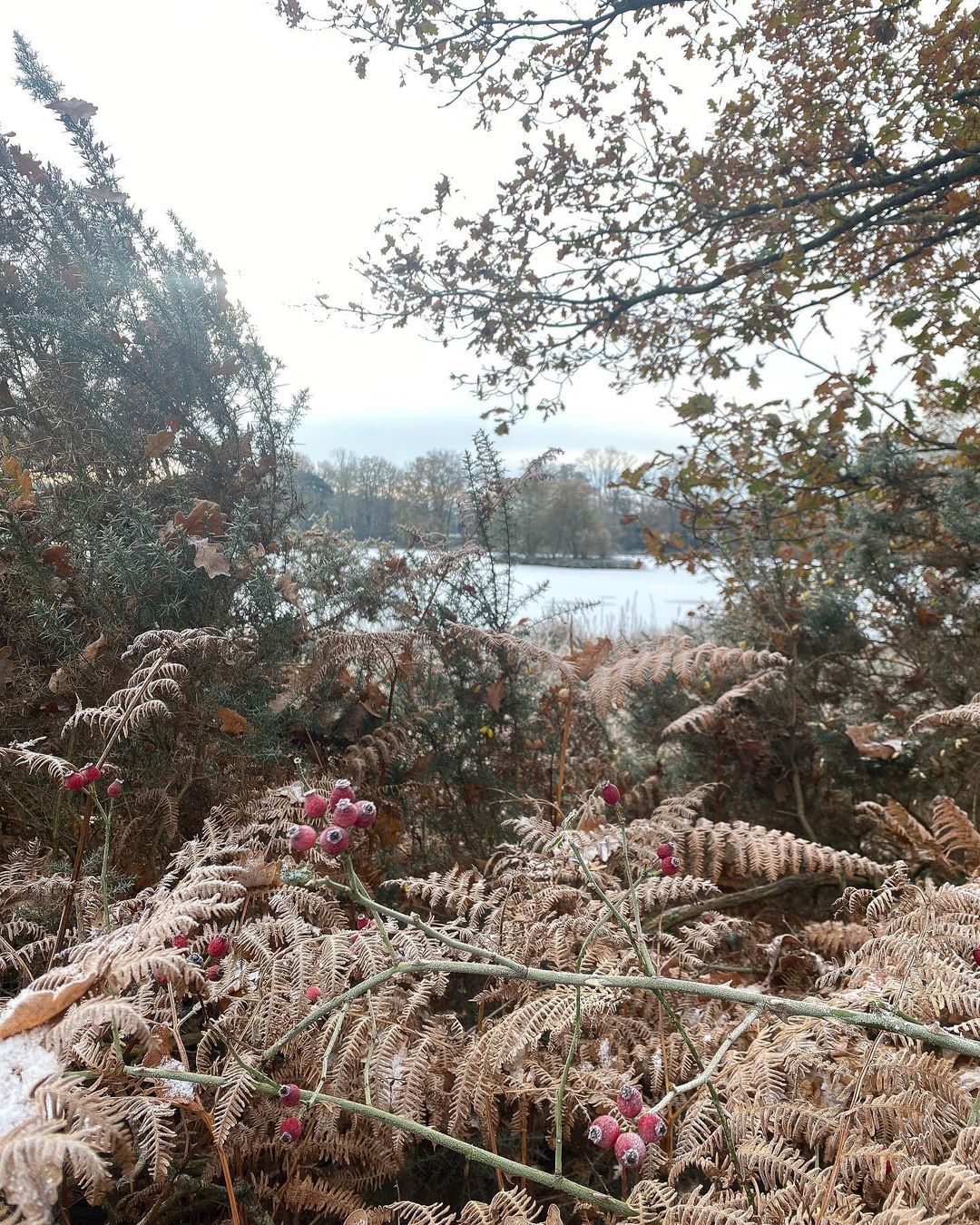
Now, the couple live in an 18th-century folly in Sussex, “which feels like the perfect balance - it’s very rural but isn’t too far from London, so I can pop back whenever I like”, says Catriona. “Honestly, it’s a relief to have made the move - I really appreciate the space and freedom that living in the countryside gives you”.
However, Catriona acknowledges the things she had to give up in her move to Sussex. “In London you can walk everywhere or jump on the Tube, while in the countryside, everything involves getting in the car and takes a little more time. You can’t just pop out for dinner in the same way, and plans have to be made slightly further in advance. There’s also the fact that at this time of year, all my clothes seem to be inexplicably splattered with mud!”
Despite these small nuisances that accompany any move to the countryside, Catriona still believes that it is “truly magical" to live amongst nature: “I’m much more aware of the weather and the changing seasons, and the beauty of the landscape still takes my breath away. And bizarrely, online deliveries seem to arrive faster in the depths of Sussex than they did in central London, which has been a very pleasant surprise!”
Jo Rodgers, journalist
Left London for Firle, East Sussex, then returned to London
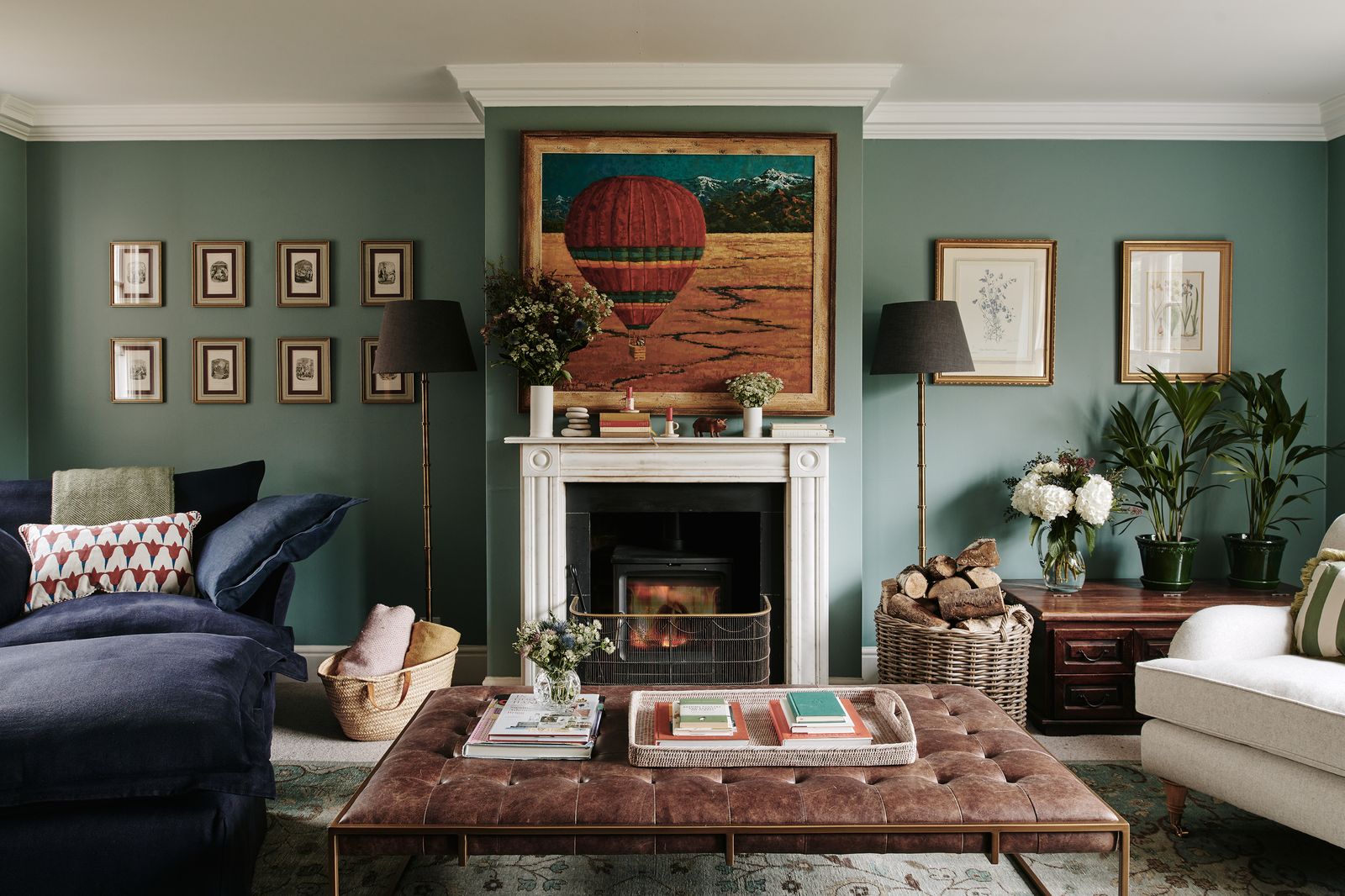
Jo Rodgers, House & Garden columnist and contributing writer for Vogue, knew her move to Firle in East Sussex had a time limit of “about a year or two”, perhaps confirming Manet's adage. During her time in Firle, Jo fell in love with the geniality and neighbourliness that often accompanies countryside living: “The people you’re living around matter so much more than your house, or how long the train to London takes," says Jo. When she first moved, Jo says her “neighbours knocked on the door to introduce themselves. Someone added [Jo and her partner] to the village WhatsApp group”.
Beyond making lifelong friends, Jo established community ties and maximising her limited time in the countryside by partaking in “lambing, weeding the church garden and fundraising schemes for the village school”. She also joined the bonfire society. “The whole time we couldn’t believe our luck to have landed in that community,” she says.


