


This is your guide to the most effective good luck plants to have at home if you want to attract wealth and happiness. Plus, we share the top unlucky plants you must remove immediately and avoid in the future.
Before plants became Instagram backdrops and ‘plant parent’ therapy substitutes, they had much loftier job roles – acting as fortune magnets, prosperity guardians, and household protectors. Yes, good luck plants is not a new thing; it's a belief that dates back to Pagan times. While we now casually click add to cart for next-day plant delivery, our ancestors would journey for days just to bring these lucky green talismans home. And in today's obsessively designed interiors, there's something wonderfully old-world about choosing plants not just for how they look, but for the good fortune and peace they might bring. From prosperity-attracting fig trees to energy-cleansing palms, it doesn’t matter if you're a skeptic or a believer; there's something intriguing about the wisdom in these time-honoured choices.
The best good luck plants to have in your home and office
To create a space that feels not just beautiful but somehow ‘right,’ good luck plants can offer something design trends cannot – a connection to practices that have comforted and inspired for millennia. Here's our curated selection of eleven good luck plants that can bring more than just verdant beauty to your carefully designed spaces.

Money Tree Plant (Pachira aquatic)
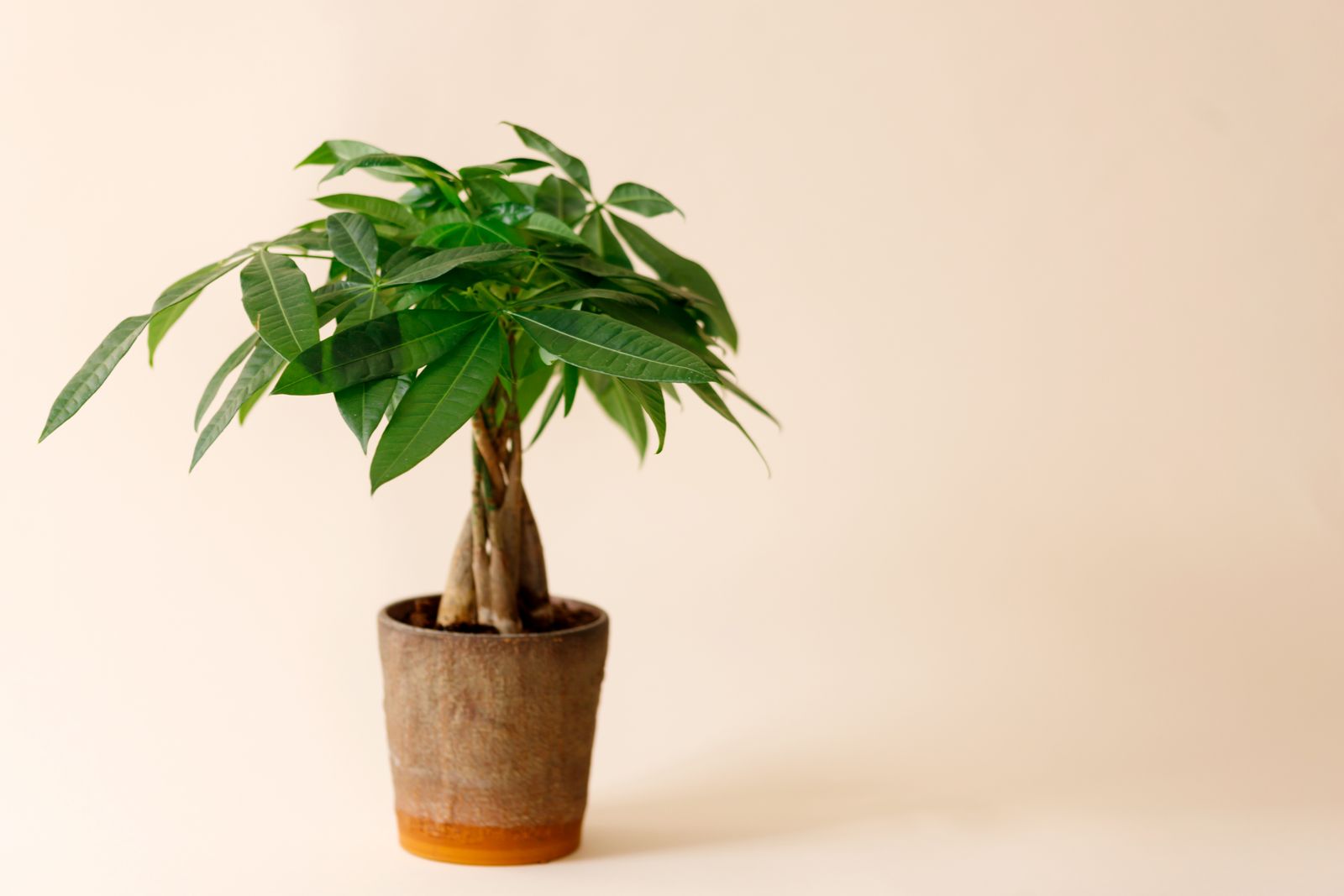
This five-leaved tropical tree is the poster child for Feng Shui's wealth-attracting rituals. Legend has it that a struggling Taiwanese farmer discovered one, cultivated it, and suddenly found himself flush with fortune. For maximum prosperity, place it in your home's southeast corner – though its braided trunk and umbrella-like foliage look great in most places, and particularly against minimalist backdrops where its sculptural form creates delicious contrast with clean architectural lines.
Lucky Bamboo (Dracaena sanderiana)
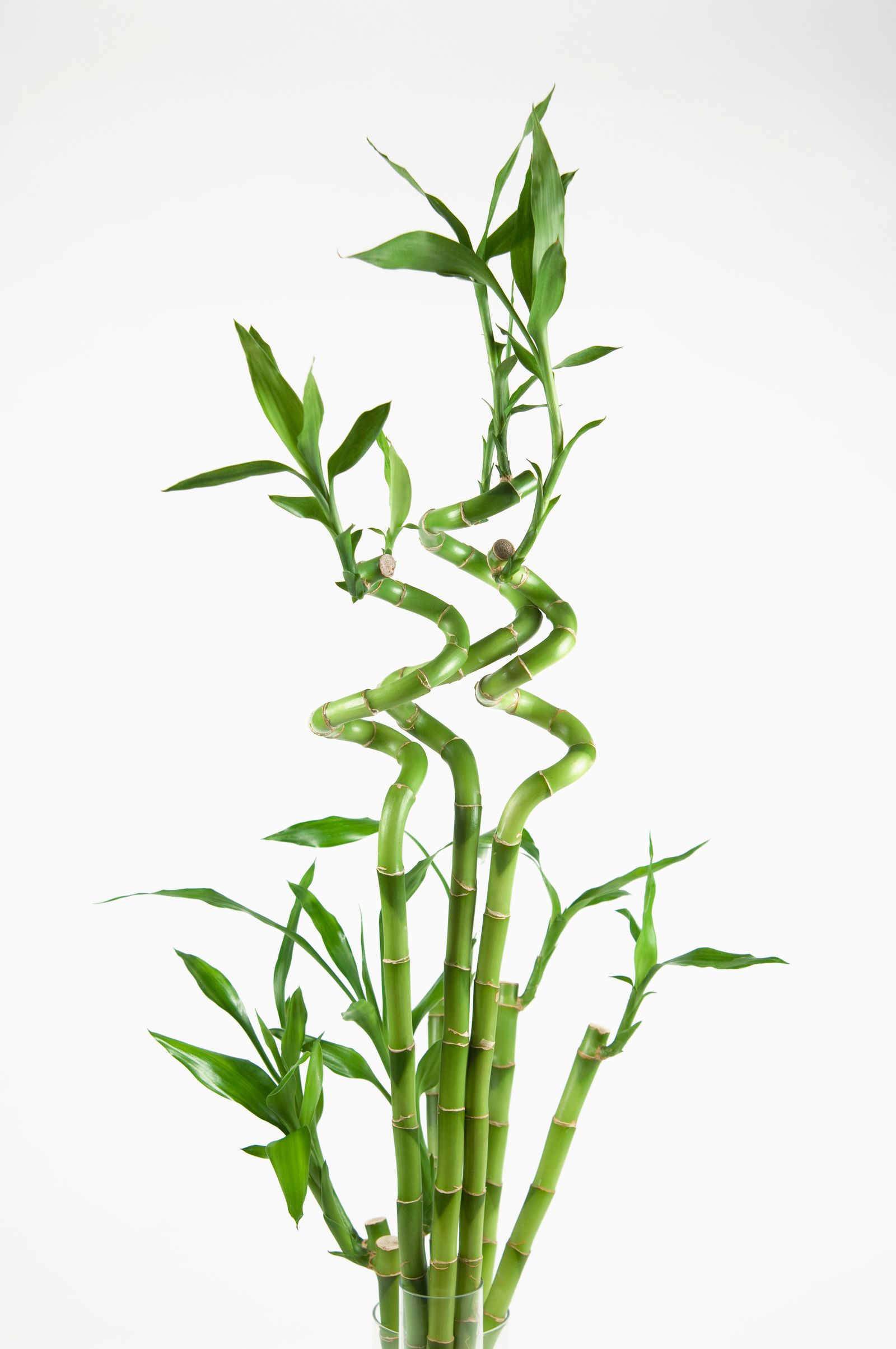
Not actually bamboo at all, this imposter has nonetheless become Asia's ambassador of good fortune. The stalks come with their own numeric code: three brings happiness, five attracts wealth, and seven promises good health. Keep it away from air conditioning vents to prevent brown tips and drooping, and in return its vertical lines will thrive. The lucky bamboo looks good in modern interiors, creating an unexpected dialogue between Eastern symbolism and Arabian design sensibilities.

Anthurium
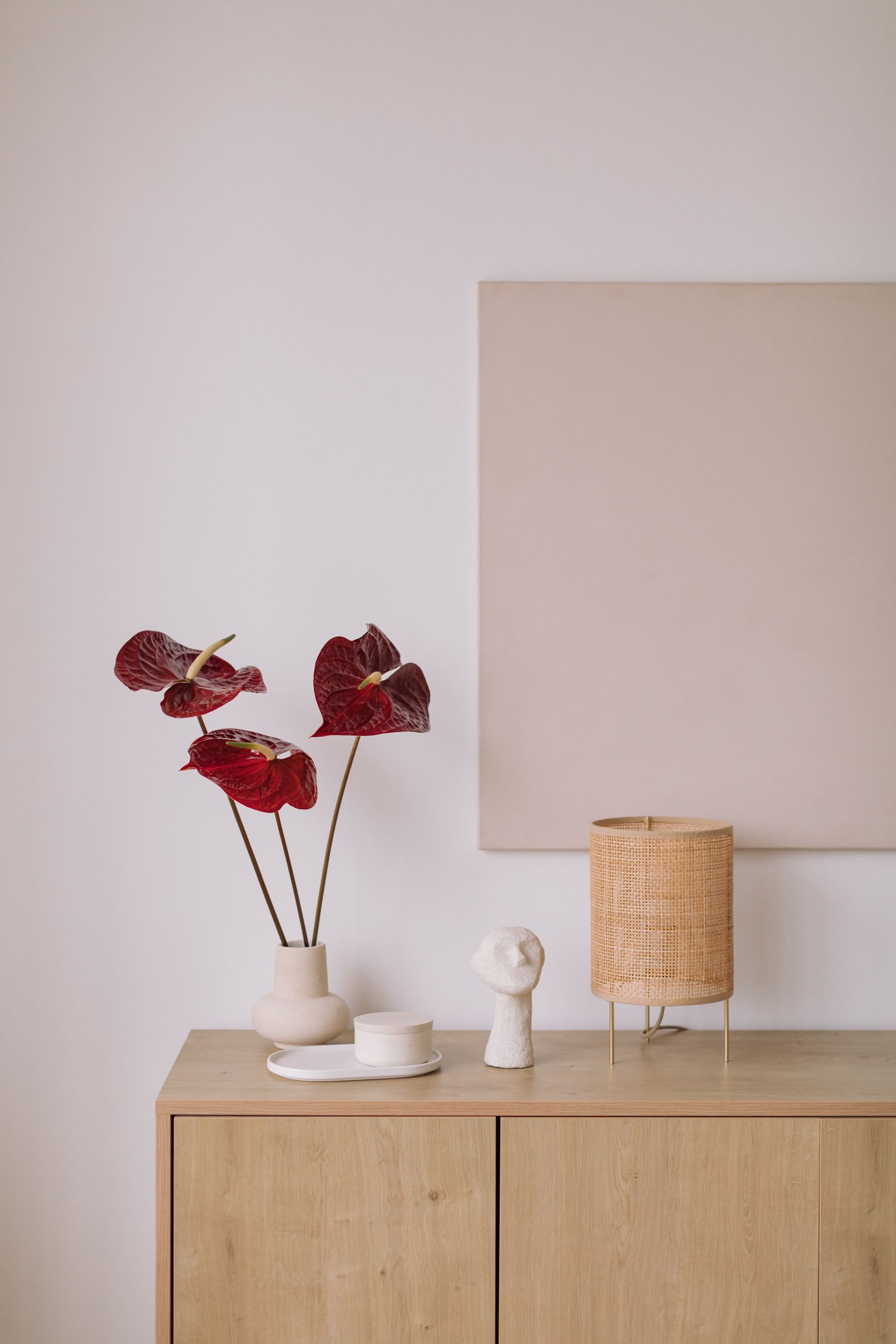
If your space has been feeling flat or lacking in passion, the vibrant Anthurium with its glossy heart-shaped blooms can reignite that spark. In feng shui, its upward-growing flowers symbolize rising prosperity and ambition, making stagnant energy a thing of the past. It’s no coincidence the plant’s blooms last up to eight weeks, mirroring the enduring good fortune it's said to attract into your home. Place one in living areas or home offices where its bold silhouette creates an eye-catching focal point. Anthurium also double as natural air purifiers, removing ammonia, toluene, and xylene from your environment.
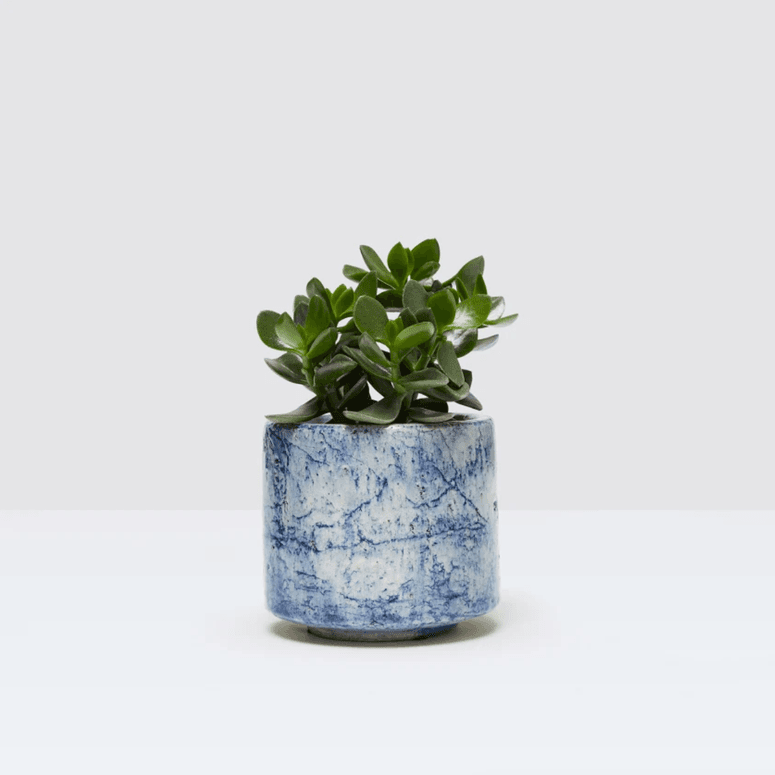
Jade Plant (Crassula ovata)

This is the King (or Queen) of good luck plants. The ‘money tree’, as it is known in Chinese tradition, is often given as housewarming gifts, and belongs near entrances to welcome good fortune according to traditions. Their structural form (made up of coin-shaped leaves) works particularly well in modern Mediterranean interiors, where their sculptural quality echoes the restrained simplicity of whitewashed walls. Unlike more temperamental prosperity symbols, the desert native Jade Plant can thrive on neglect – perhaps a gentle reminder that true wealth doesn't always demand constant hustle – but we recommend you take care of it as you would of your thriving bank account, and give it the respect it deserves.
Fig Trees (Ficus)

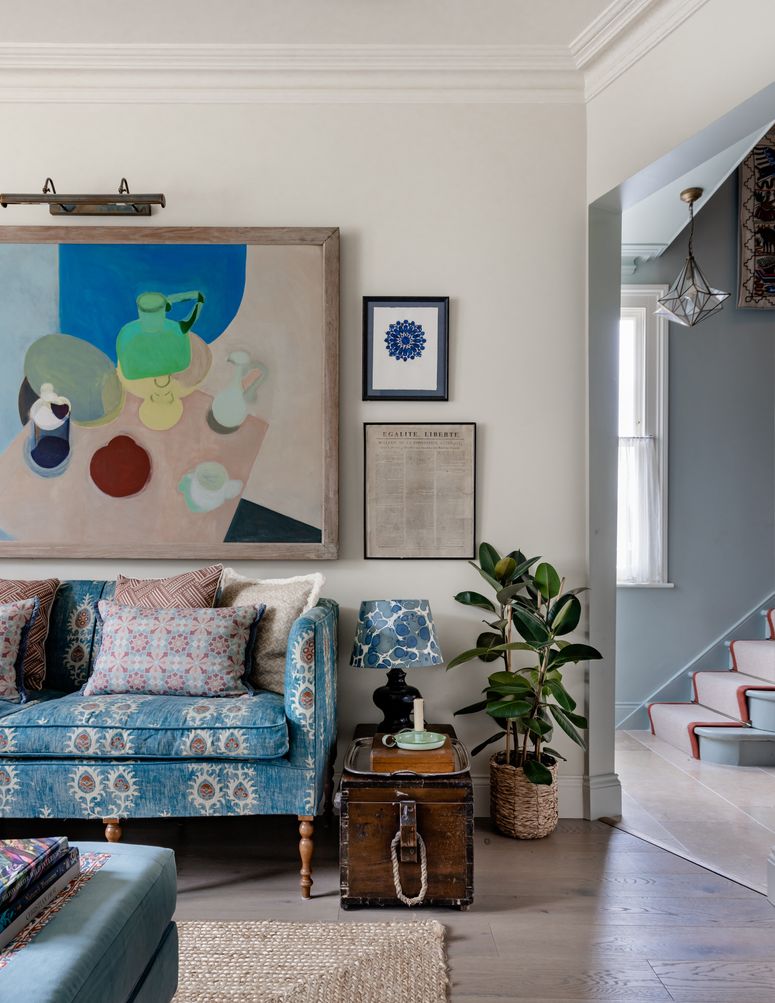
From the Mediterranean to the Middle East, fig trees have symbolised abundance for millennia. In Islamic tradition, they're considered blessed – the only fruit tree mentioned by name in the Quran. Their broad, sculptural leaves make them natural focal points in contemporary living spaces, particularly those with double-height ceilings that can accommodate their reaching branches. Modern interpretations place them in oversized concrete or terrazzo planters to balance their organic form with architectural strength.
Jasmine
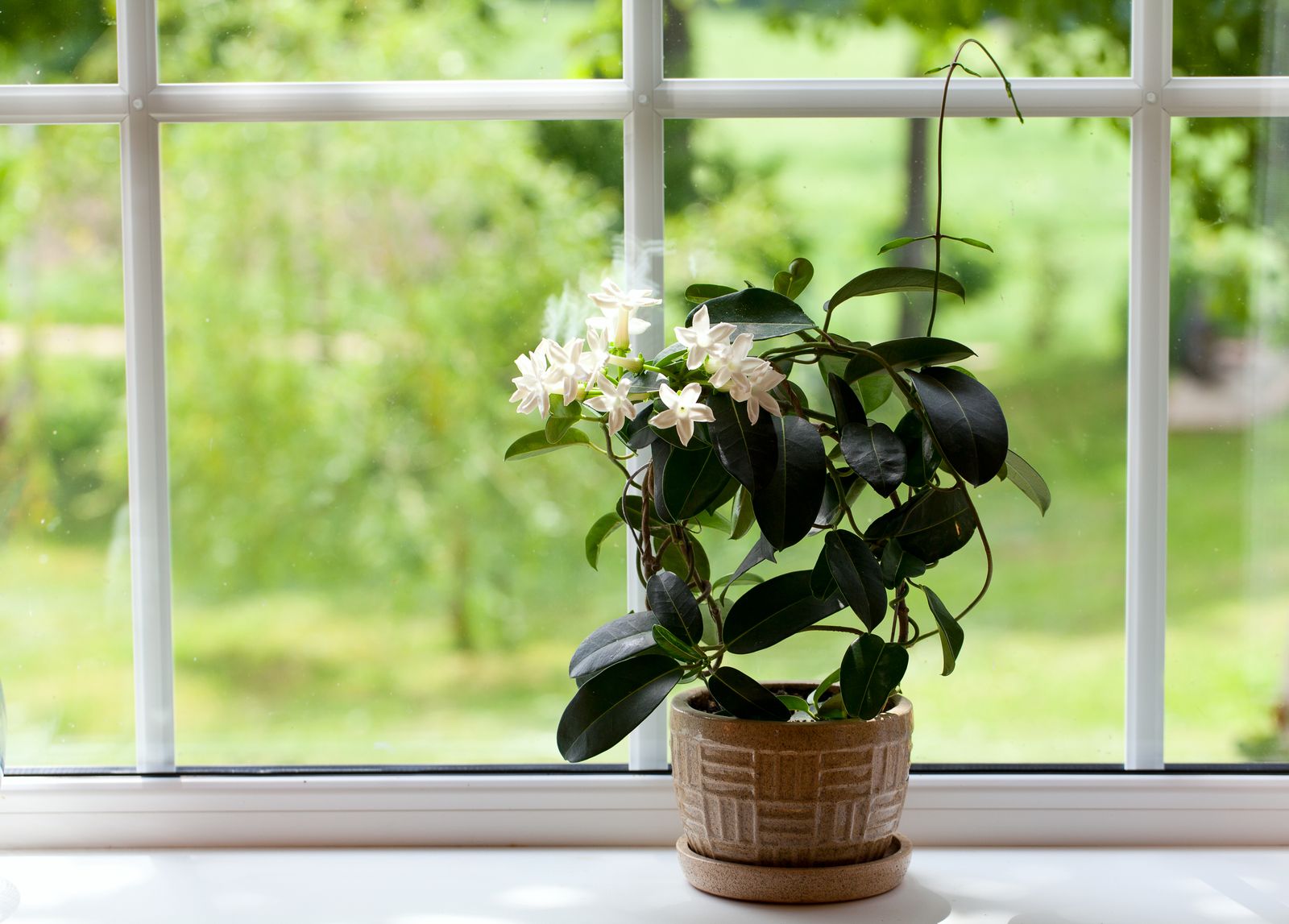
Beyond its intoxicating fragrance, jasmine represents love and good fortune across cultures. In Iran, it's associated with divine blessings, while in India, it's considered sacred to Lord Vishnu. The delicate white flowers bring subtle luxury to interiors, particularly when trained along minimalist trellises in contemporary courtyards. Designers increasingly incorporate jasmine into indoor-outdoor transitional spaces, where evening breezes can carry its scent throughout the home – a sensory reminder of prosperity beyond the merely visual.

Date Palm

Few plants carry as much cultural significance in the Middle East as the date palm. Beyond providing sustenance, it represents resilience, prosperity and hospitality. While full-sized palms require generous proportions, smaller varieties bring their distinctive silhouettes to modern interiors. Place them in double-height entrance halls where their architectural forms create dramatic shadows across clean-lined contemporary walls.
Eucalyptus

A good luck plant with healing vibes. With its distinctive aroma and silvery-blue leaves, eucalyptus is considered a powerful cleanser of stagnant energy in many traditions. Aboriginal Australians have long valued it as a sacred healing plant, while modern Feng Shui practitioners use it to promote wellness thanks to purifying properties and essential oils that help clear respiratory systems and reduce stress. Hang dried branches in your shower for an instant spa-like atmosphere, or place fresh stems in a tall vase to create vertical interest in contemporary interiors. The plant's soothing color palette works beautifully in neutral spaces, adding subtle texture without overwhelming carefully curated colour schemes.

Citrus Trees

From Morocco to Iran, citrus trees symbolise prosperity, fertility, and protection. Their fragrant blossoms and bright fruits bring sensory richness to minimalist interiors. Modern interpretations see dwarf varieties in sleek ceramic vessels placed strategically in sunlit corners of crisp, contemporary spaces. In traditional homes reimagined for modern living, potted citrus trees reference historical courtyard gardens while adding vibrant colour accents to neutral, earth-toned palettes.

ZZ Plant (Zamioculcas zamiifolia)

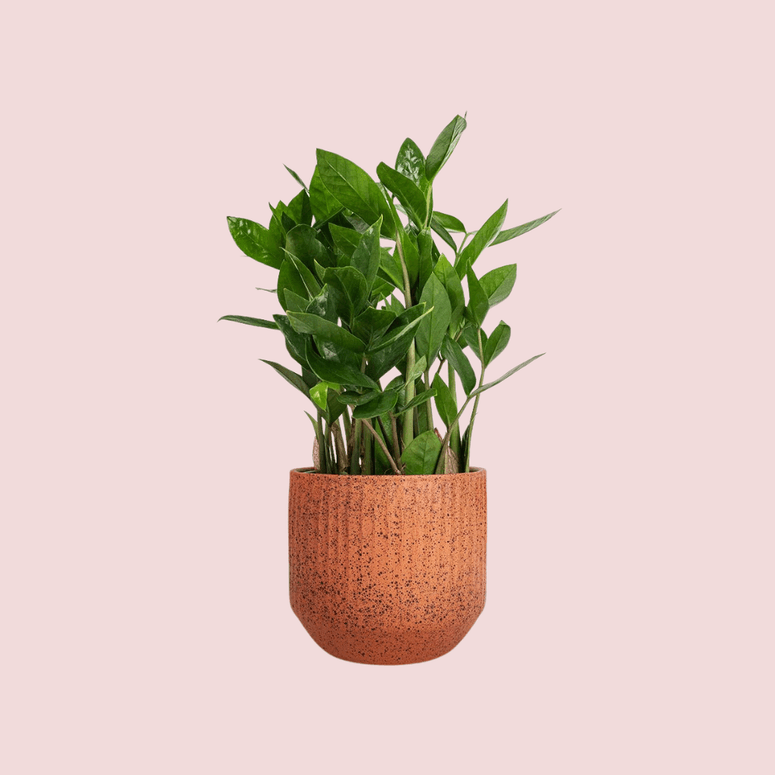
A legend amongst good luck plants, ZZ plant certainly delivers. This glossy-leaved plant from Eastern Africa is increasingly associated with prosperity in contemporary Feng Shui practice. Its resilience, surviving weeks without water, makes it perfect for busy professionals. The ZZ plant's architectural form and mirror-like leaves bring reflective light quality to low-light interiors, particularly effective in creating depth in smaller spaces. Its sleek silhouette complements the clean lines of contemporary furnishings without competing for attention.
Bay Laurel

Looking for good luck plants to unblock energies? Consider the noble Bay Laurel. The ancient Greeks crowned their champions with its leaves, believing it symbolized achievement and victory. In Mediterranean homes, placing this aromatic plant by the door traditionally attracts wealth and success, especially for creative and intellectual work. According to feng shui, its strong vertical growth creates upward energy flow while its glossy green leaves add sophisticated texture to contemporary interiors. Keep it in kitchen corners where it serves double duty, bringing good fortune while providing fresh leaves for your cooking.
Top unlucky plants to remove from your home immediately
If you have any of these unlucky plants in your home, remove them now or understand where. you can position them to limit their negative impact. Despite their popularity or aesthetic appeal, certain botanical choices are believed to carry disruptive, draining, or even toxic energies. From spiky silhouettes that slice through serenity to vines that symbolically choke a room’s vitality, these botanical choices may be silently working against the harmony you’ve tried so hard to cultivate.

Thorns don’t just defend – they disrupt. Plants like roses, holly, and crown of thorns all have one thing in common: a spikiness said to invite emotional friction and spiritual unrest. Even beautifully cultivated roses can bring prickly energy that disrupts harmony. If you're attached to their aesthetic appeal, keep them distant from spaces where people gather.
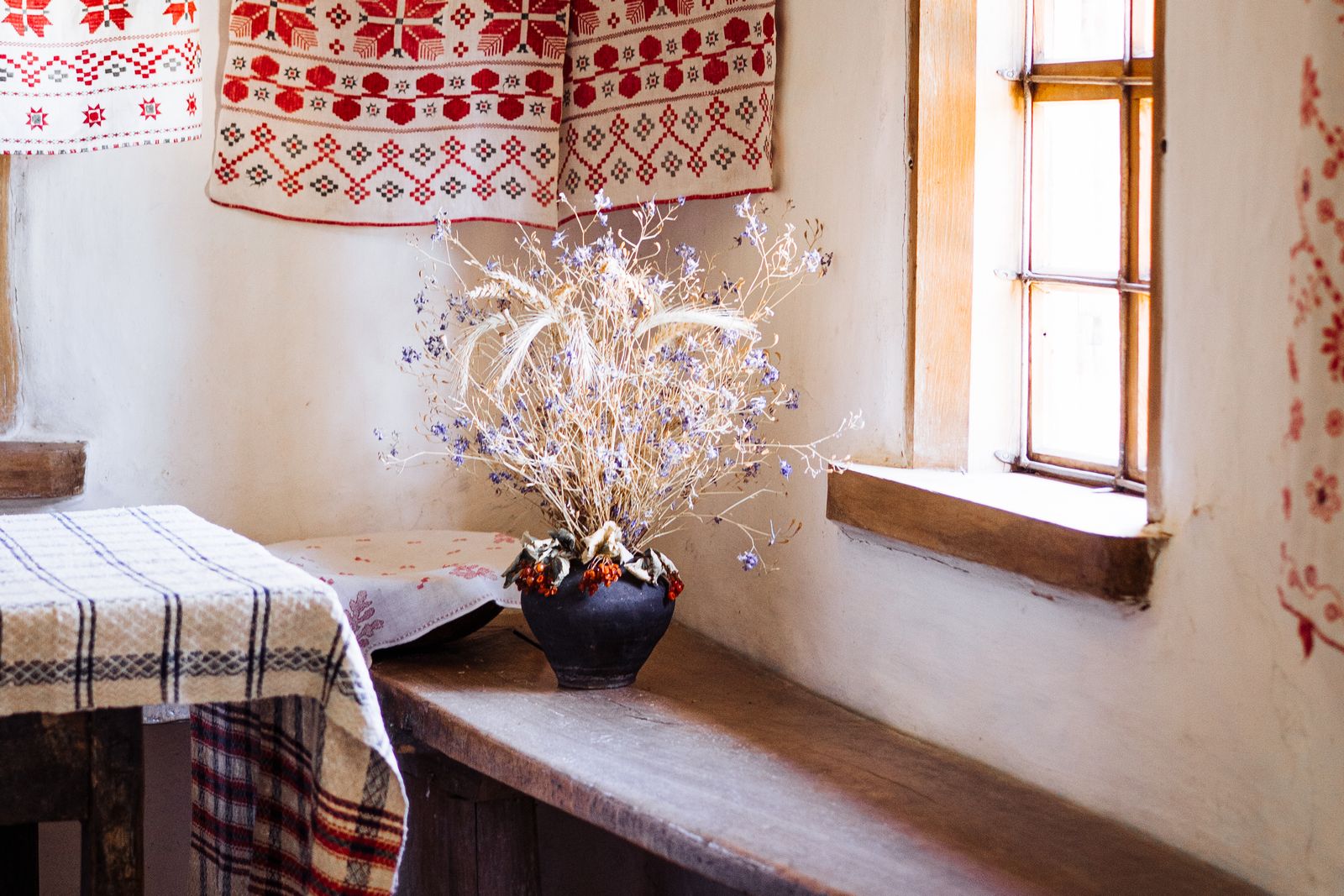
Beyond being visual eyesores, dead plants symbolize decay and neglect, creating what energy healers describe as "dead zones" in your home's vital flow. Even artfully dried arrangements, whilst they offer relief for those who find plant maintenance difficult, can harbour stale energy. Regularly clear out any plant that's passed its prime to prevent accumulating energetic stagnation.
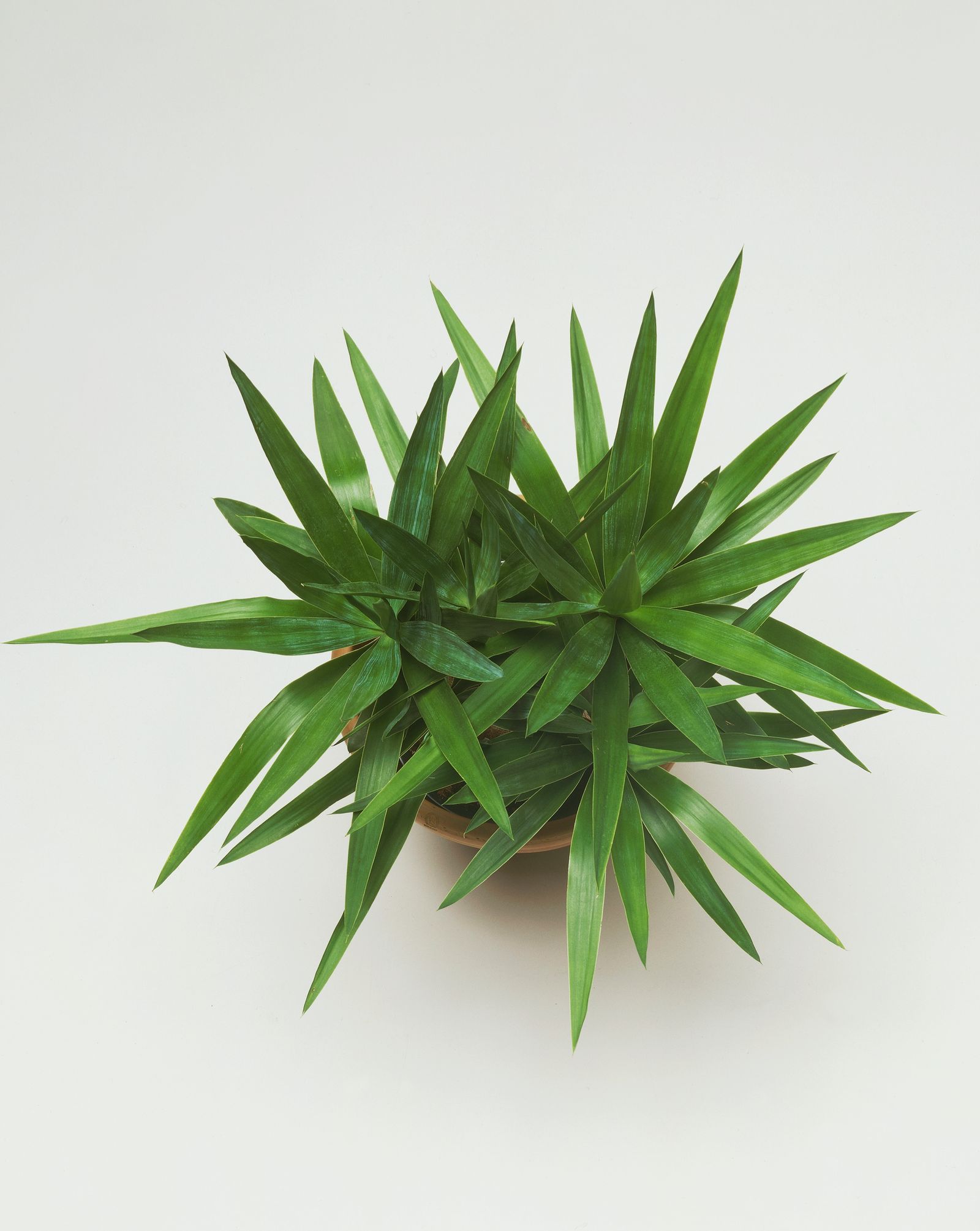
With its dramatically pointed leaves and imposing silhouette, the yucca plant creates what energy specialists call "attacking chi." These pointed leaves are thought to slice through calm, directing confrontational energy across a room. While their form is striking as architectural statements, their spear-like form is believed to pierce the harmonious bubble of any space. Position them where their sharp edges face walls rather than living areas.
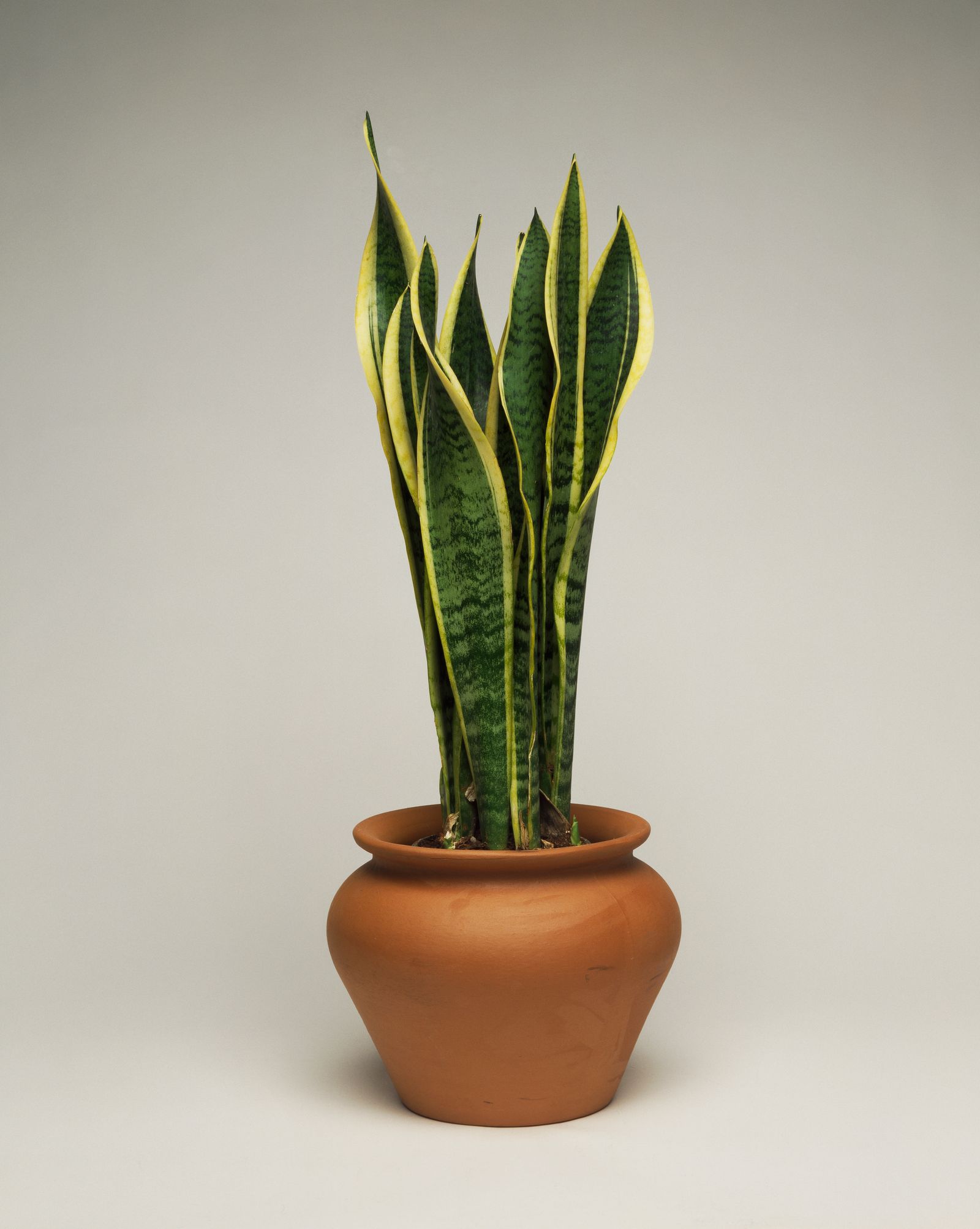
Air-purifying skills aside, the snake plant’s blade-like leaves radiate “sha chi,” or negative cutting energy. Its alternative name, “mother-in-law's tongue,” hints at its reputation for introducing sharp, cutting vibes into relationships. If you value this plant's practical benefits, position it where its pointed edges face walls rather than areas where people gather to neutralise its potentially divisive influence.

These vibrant blooms carry a shadow of misfortune alongside their beauty. Associated with sleep, death, and forgetfulness across cultures, poppies' quick wilting symbolises fleeting happiness. Their historical connection to opium adds layers of negative connotation that energy-sensitive decorators avoid. Leave these bittersweet blooms to the garden, not your living room.
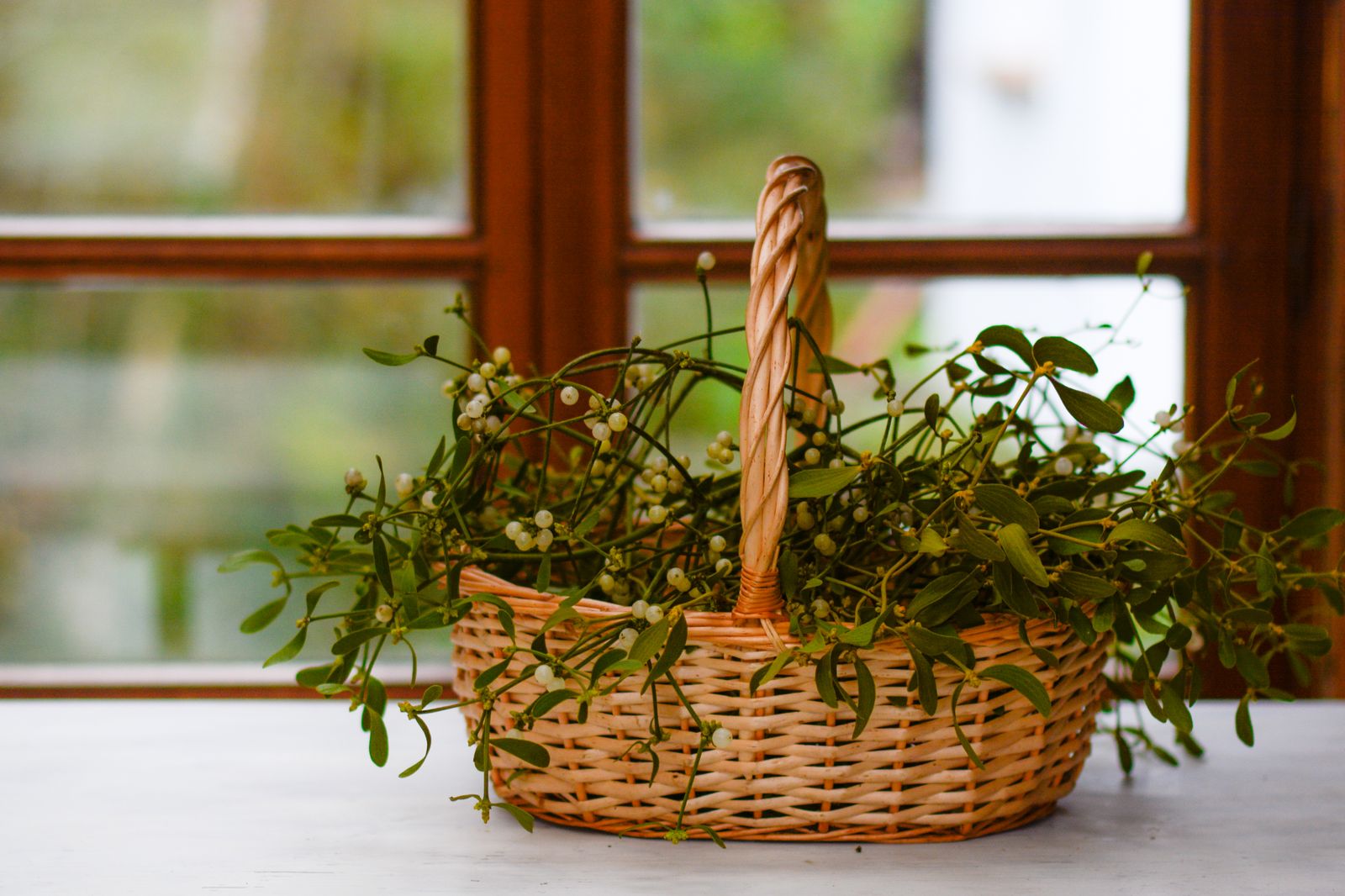
Beyond its rom-com reputation, mistletoe harbours darker energy. Mistletoe is parasitic – literally and energetically, which means it drains life from host trees, and symbolically does the same in your home. Nordic mythology links it with death and betrayal, while its toxic berries add literal danger to its metaphorical threat. When the holidays come around, choose artificial alternatives to ensure mistletoe's historical bad luck doesn’t ruin festivities.
This article originally featured on architecturaldigest.in


