
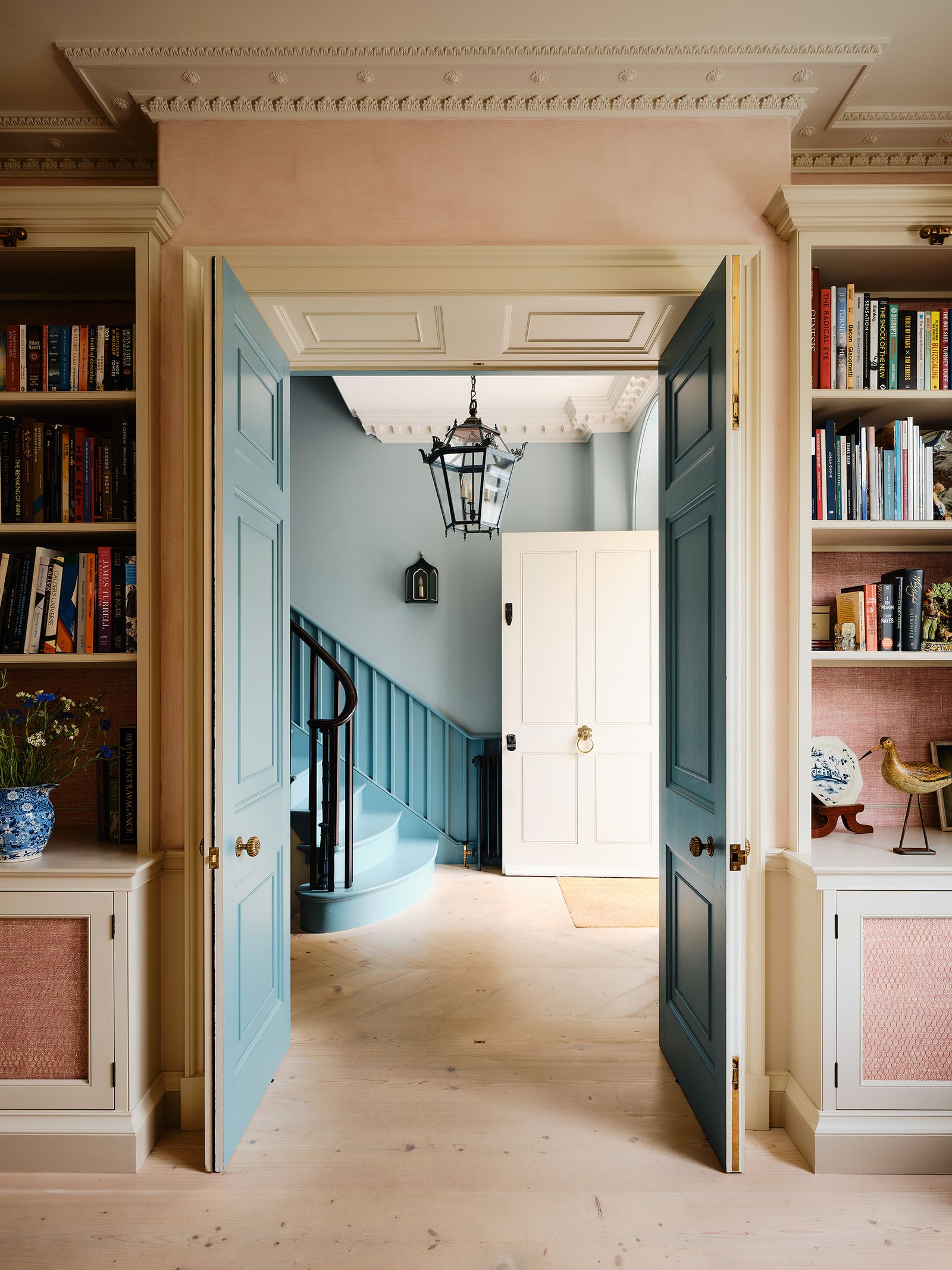
Like many creative jobs, there are very few barriers to becoming an interior designer. All you need is a phone, a clutch of paint and fabric samples and you can, in theory, open a business and start charging a fee. For anyone who wants to employ a designer this presents a conundrum. How do you work out which designer is right for you? And where do you begin your search?
The answers to these questions are manifold and based on your style, budget and personality. When it comes to deciding what aesthetic is for you, social media comes in handy. Instagram or Pinterest, with their carousels of tempting imagery, are where you can work out which style – minimal or modern, baroque or post-modern – piques your imagination. A designer’s website should also include a gallery of projects. However, this might only represent a fraction of a firm’s output due to the increasing prevalence of steely non-disclosure agreements.
If, for you, qualifications equate to quality, then you can find them on the ‘about’ page of a practice’s website. A diploma from an established school or university – Central St Martins or KLC - is a good sign (but not mandatory). Other types of endorsement include having projects published in reputable publications, House & Garden being just one of them – or design directories, such as the Domus Nova directory or The List by House & Garden.
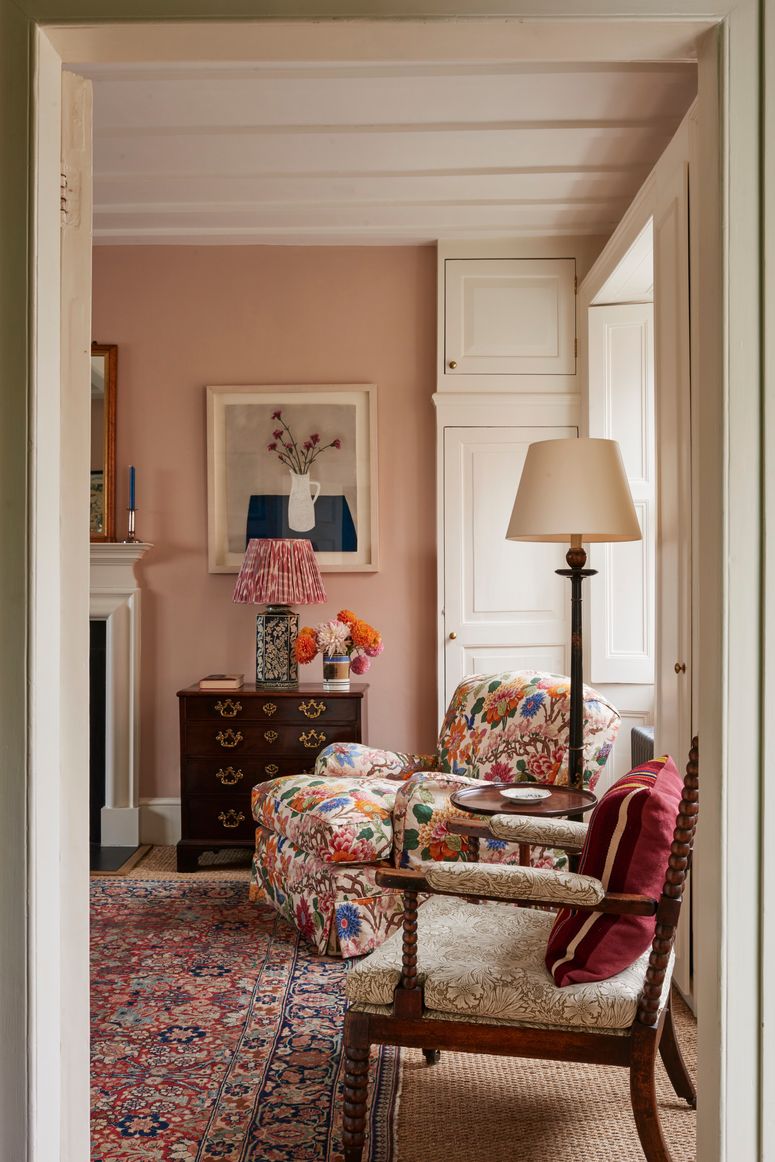
The scale of your project will also determine who you employ. If you want to reboot your paintwork and soft furnishings, then a decorator – often a one-man band – will suffice. (In the US designers are still referred to as decorators, the old-fashioned title.) For structural work, larger practices (anything from four to 60 for well-oiled machines with commercial arms) collaborate with architectural practices or employ in-house architects alongside senior and junior designers. They will also find contractors and garden designers. Interior architects (who must be registered with the Architectural Registration Board) look after internal changes: knocking down walls or re-jigging layouts, but not larger alterations like extensions or digging basements.
There is another easy way to work out if a practitioner is for you, says Philip Hooper, Managing Director at Sibyl Colefax & John Fowler. ‘A designer should listen. If you find yourself with one who only talks about themselves, move on.’ A designer should also be interested in your routine, however humdrum. ‘I try to understand how a client lives, or would like to live, and how they will use the space, ‘ says Philip’s colleague Chloe Willis, Associate Director at Sibyl Colefax & John Fowler. ‘I might do ‘a day in the life of’ set of questions: how they get up, where they have their coffee,’ she says. ‘Do you prefer to spend your evenings reading or consuming Netflix? These things govern the decisions we make.’
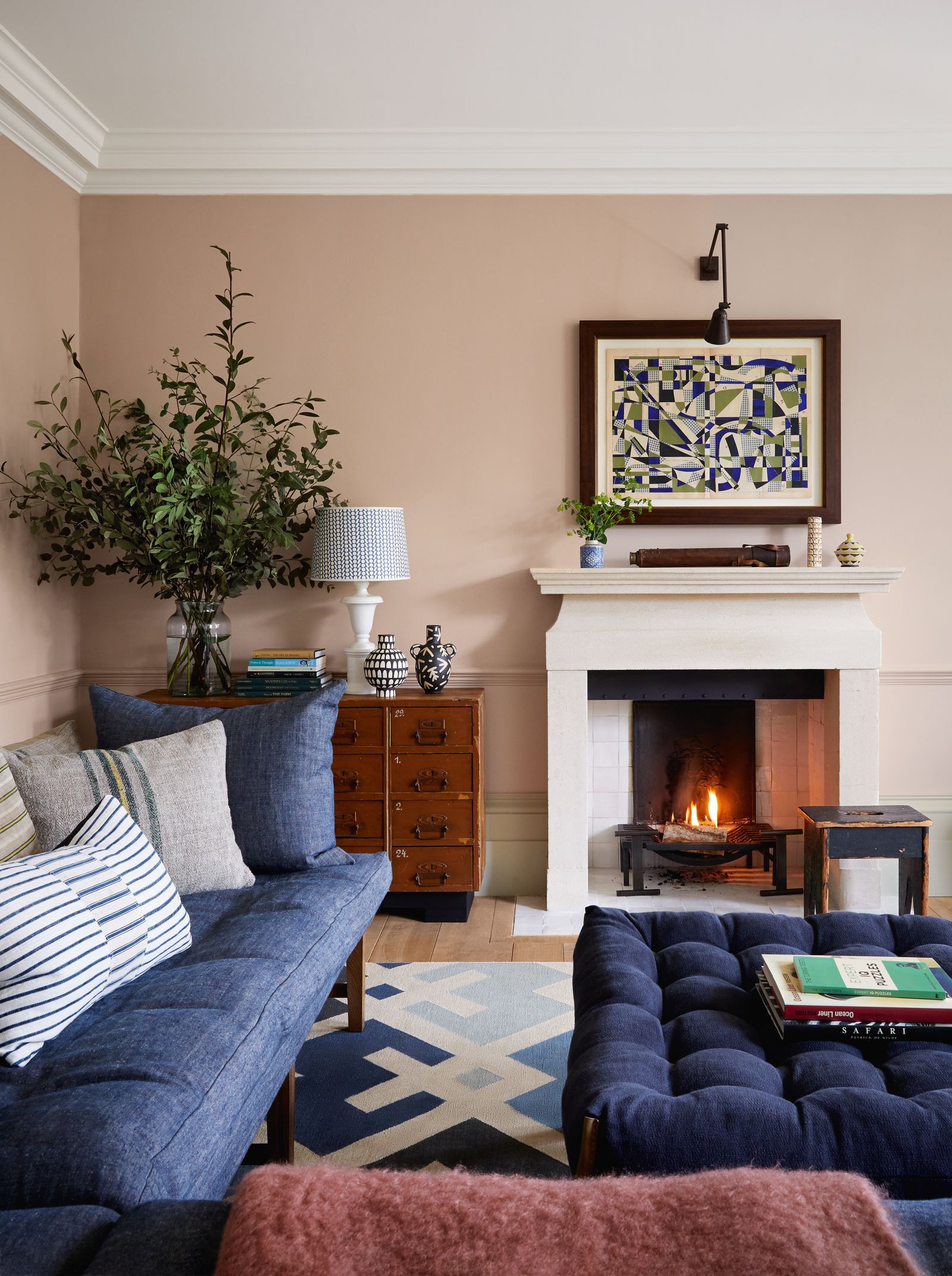
If you still feel lost, there are those who can help. Carter Wells is a London-based consultancy which connects homeowners with designers as well as architects, planning consultants, surveyors or garden designers: think of it as matchmaking for the interiors industry. ‘We don’t have a list of practitioners we work with. It allows us the flexibility of finding exactly the right person for the project,’ says co-founder Alice Barringon-Wells.
‘Our initial meetings will look at budget, layout, architecture, planning,’ continues Alice who studied spatial design at Chelsea College of Art. ‘But we also like to dig deep. To determine a client’s emotional connection with home. What they love. It can be highly subjective.’
Clients receive a detailed questionnaire, to determine their ‘literal, and emotive’ dislikes – from furniture and furnishings to architecture. Are ancient, gnarled beams for you? Or do your prefer your woodwork to be ‘crisp’ and ‘perfectly aligned.’ ‘We’ll share the result with architects, and designers, so everyone has a clear visual understanding of what the clients are after.’
Sometimes it is not the ‘obvious, big names’ who will be right for you. Alice cites a current project in the Cotswolds. Tobias Vernon is the founder of 8 Holland Street, a contemporary and antique design gallery, but he also turns his hand to interiors. Through Carter Wells, Tobias was introduced to the owner of an arts and crafts house. The client is restoring the property but wants to furnish it with ‘striking, contemporary pieces’ that echo the hand-crafted feel of the original architecture. Tobias, with his curatorial eye, has proved to be a ‘good fit.’

It is also important to be clued-up on how the fees work. These can be confusing, because there is no standard way of billing. Some designers charge a single design fee and pass on the entirety of their trade discounts; others charge a combination of an agreed design fee plus a margin on top of discounts. There are firms who charge a percentage of the overall cost. Within that, there are infinite ways of setting fees: some do it based on square footage, or the number of rooms. Others add an hourly rate for meetings. So don’t be coy about asking how a designer charges at the outset.
For larger projects involving structural changes some practices offer an initial ‘feasibility’ study to determine budgets, and work out how the space might best be used. Architect and interior designer Elizabeth Bell, of Absolute Project Management, says this is a useful way to manage expectations: ‘We think an outline budget (and usually a timeline) is an important first step for most clients,’ she says. ‘It can help rule out ideas that are too expensive before spending lots of money developing the design in detail.’
And don’t overlook the significance of chemistry. The relationship between client and designer can, and should, be as close as the one you have with your hairdresser. Who else, apart from your sibling or best friend, will know if you have twin basins in the bathroom? Or if you snore? A good designer is empathetic and professional. ‘You’re often a cross between an agony aunt or a therapist,’ says Chloe. ‘Personal details are shared, so it is important to choose someone you feel comfortable with.’
Once you have put pen to contract, Venetia Rudebeck, co-founder of Studio Vero, offers a final insight. A productive client-designer partnership is anchored in ‘trust – and mutual respect’ she says. So once you have found the right practice, sit back and let a designer sprinkle their stardust. As Venetia puts it: ‘trust the process.’


