
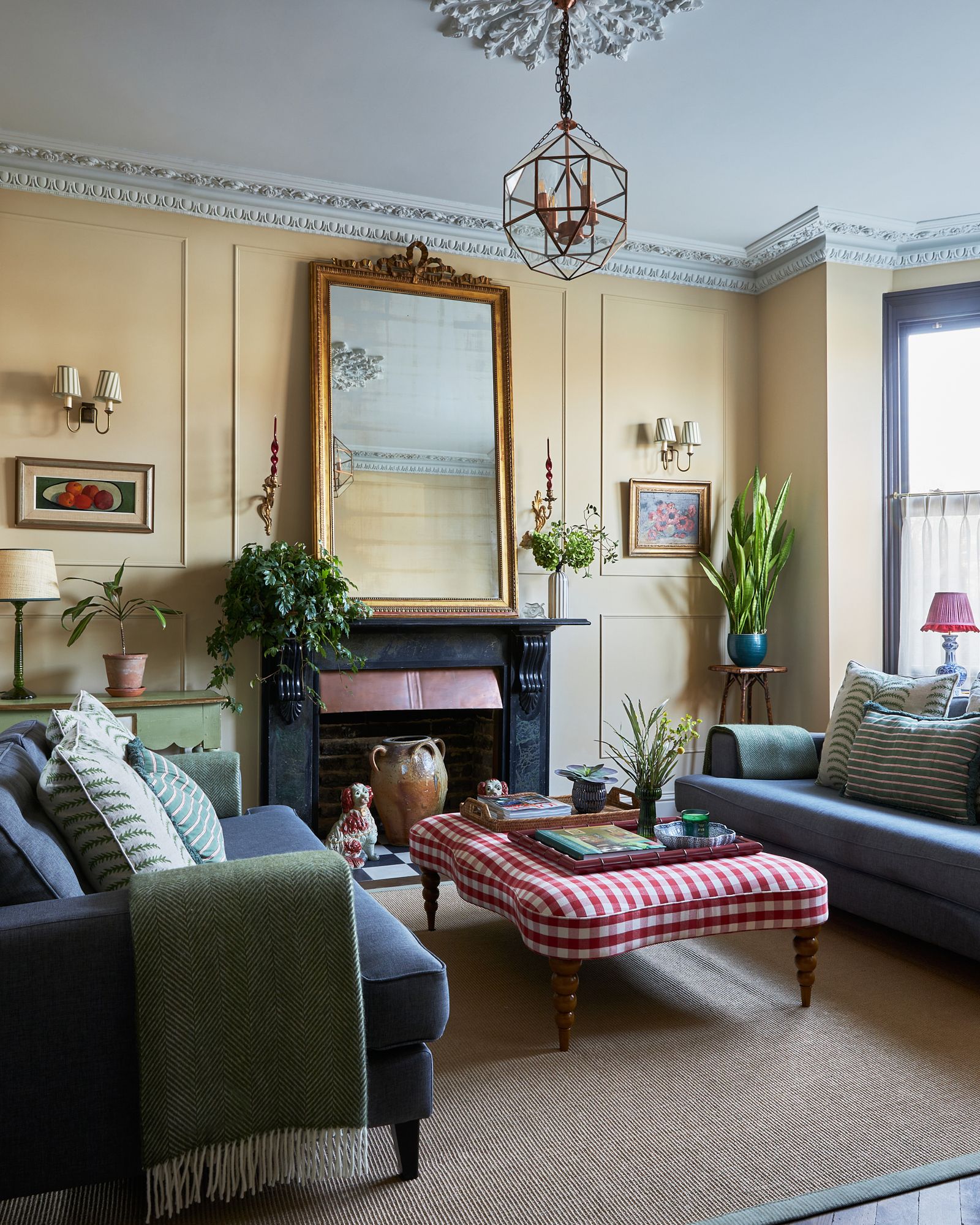
There are few greater disappointments than finding the perfect period property only to discover the hand of a ruthless developer or over zealous 1970s moderniser has had its wicked way with the period features, leaving you with a sterile white box. There is no need to despair, however, because much charm can be reintroduced with relative ease if you know how to go about it.
Start with the one element most interiors experts agree is non-negotiable when reinstating character to a home – and one of the most impactful changes you can make to boot – what designers refer to as the ‘bones’ of a property. Essentially that’s the windows, doors, mouldings, floors and fireplaces. ‘These are the things that will be almost impossible to change later,’ says Henriette von Stockhausen, founder and creative director of VSP Interiors. ‘You will regret it if you have done it cheaply, but they will be with you for the rest of your life if you choose them right.’
No matter what you want the ultimate style of your home to be – whether period purist, minimal modern or an eclectic mixture – it is best to match these key architectural elements to the period of your property. ‘It is important to be as historically accurate as you can be with things like cornicing, architraves and fireplaces because it just doesn’t work mixing them, the scale will be different,’ says Henriette.
While salvaged or antique pieces can have a charming patina and add a lovely authenticity to a home, not all of these features have to be original, nor is that always the most practical or desirable option. ‘In a lot of houses the cornicing has been painted over a thousand times, or there’s massive cracks in the ceiling. You could get a specialist to fix what you can but you can also replicate some elements with something new,’ says interior designer Uns Hobbs, who has been reinstating period character to her own Victorian villa in Dulwich. ‘A lot of people are quite precious about not taking cornicing out, and it is lovely to know it is original to the house, but if you have to replace it with new it is not the end of the world because there is a lot on offer that looks like the original.’
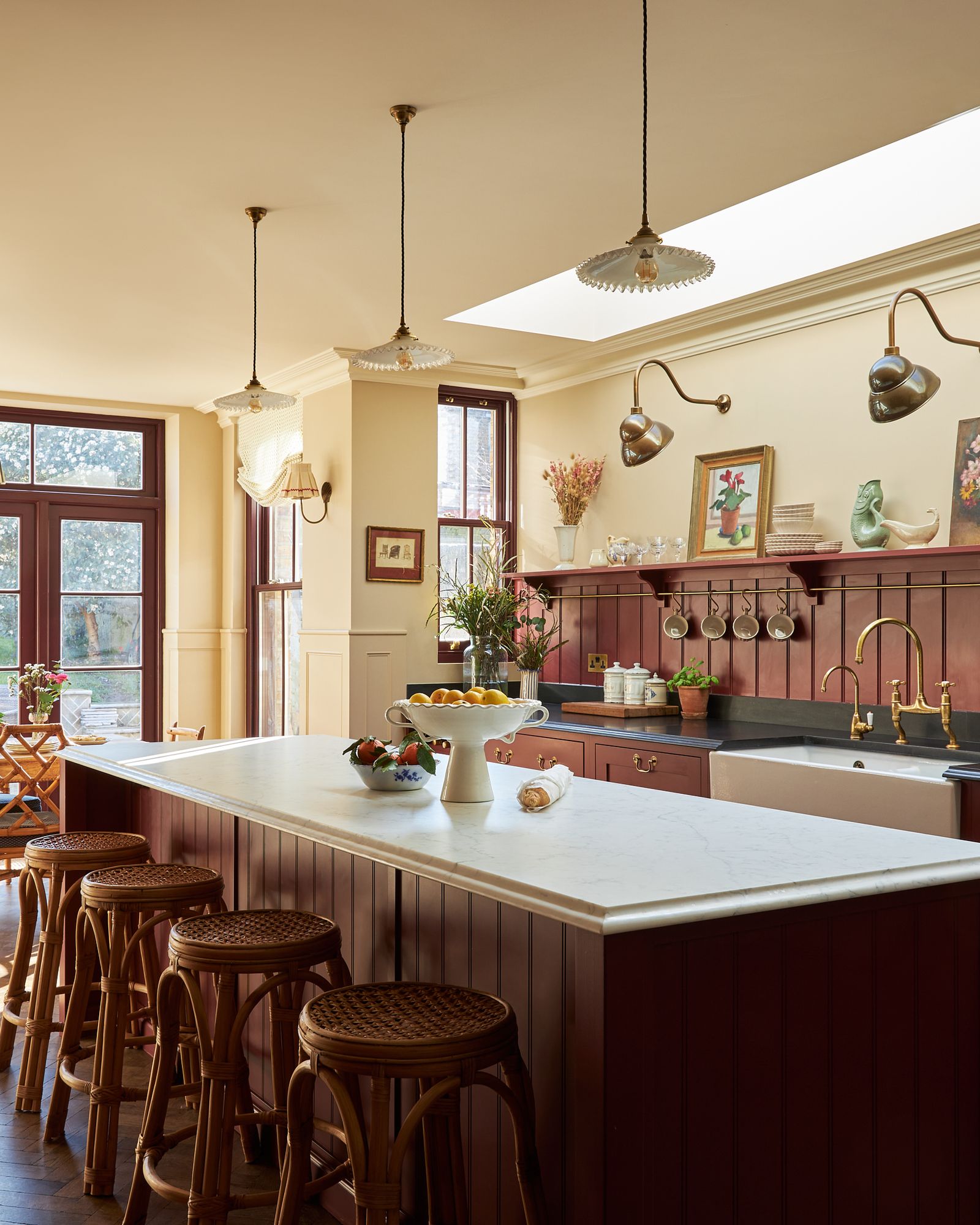
Steven Rodel, creative director at Guy Goodfellow says most suppliers of modern replica elements such as cornicing and fireplaces have websites which can be searched by period (he recommends George Jackson, 'a great fibrous plaster supplier'), making it a relative doddle to find the right style for your home. You can also follow Uns’s lead and use other houses on your street as a resource. ‘Some of my neighbours’ houses are untouched and I have become good friends with them through taking photos of all their original features. For example, all the bedroom fireplaces in my house had been ripped out so I photographed my neighbours’ and sourced similar ones.’
Once the key architectural elements are in place you can start to exercise a bit of poetic license. As with any form of beauty, good bones can hold most looks. Steven warns against being too authentic and veering into ‘weird tea parlour’ territory. ‘If you give a property architectural integrity then you can be really playful with everything else afterwards. I always refer to it as the bones and the apparel – it’s clothing, it’s jewellery, it’s a different pair of shoes.’

If you like the period look but want it to work for a contemporary lifestyle, Uns suggests finding details in original features that you can build on in a new way. Taking a Shaker panel from the original doors, she adapted that into panelling for her hallway that would not have been there when the house was built. ‘Even though it never existed it comes from something that does belong to the house.’ She used a similar approach in her brand new kitchen extension where too much authenticity would veer into living museum territory. After all, nobody uses their kitchen in the same way it would have been used in Victorian times. ‘We want to entertain in there now, our lifestyles are more social,’ she says. Instead she made sure all the details flow through the whole house. ‘I used French doors instead of the big Crittall doors and added sash windows and panelling and cornicing.’
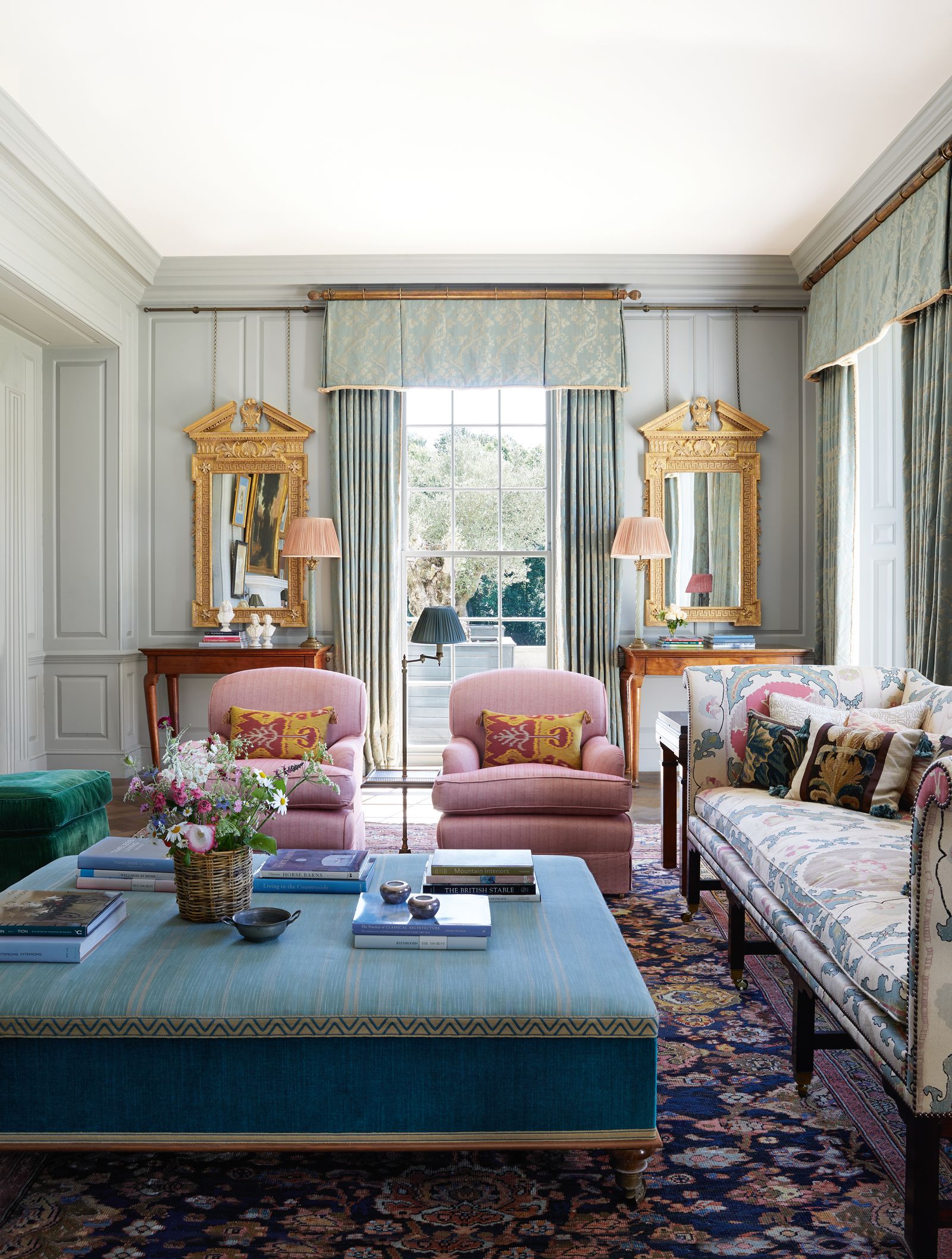
Another area where you likely will not be replicating the past too authentically is in lighting – we are several generations on from gas lamps and candlelight – yet you can still create a layered, atmospheric scheme with even the most cutting edge LEDs. ‘Make sure your lighting is adaptable. All your downlights need to be on a dimmer switch so you have flexibility,’ says Henriette. ‘If you have too much light it all becomes very flat, shadows are important for comfortable lighting. You can even light pictures or objects rather than flood the whole room (Pooky has battery operated options so you don't even have to rewire) or highlight your architectural features by adding an uplight to the top of a bookcase so the cornicing detail becomes really visible.’
Even if you are stuck with a property where you just cannot add in those all-important architectural details, such as a new build, Henriette says there are still ways to add character. ‘Use antique fabrics, a few nicely placed antiques here and there, maybe some interesting wallpaper with texture or a more old-fashioned paint like a distemper or a chalk wash - Rose of Jericho have just brought one out - so you get depth and movement into the walls. This will infuse the property with character even if you don’t have a huge budget.’
Ultimately, of course, the most character comes from adding those personal touches that are unique to each of us. As Steven says: ‘We always talk about wanting to design spaces that show people’s personality, their interests, their history, things they might have inherited, things that might have no value to anyone but themselves. It becomes a rich tapestry of their personality.’


