


According to recent reports, attitudes to women and DIY are shifting at lightspeed. More women than ever are picking up power tools and, inspired by the explosion of #GirlsWhoBuild content on social media, are invading all sorts of spaces once reserved almost exclusively for men. However, in the same breath, research points to endemic self-doubt around DIY amongst women and a total lack of confidence, often simply because they have never been taught to hammer a nail, let alone wield a jigsaw.
One of the biggest reasons for this is the conspicuous absence of women in the trades, pretty much across the board. In 2019, there were 33,000 female tradespeople in Britain, which makes up a marginal four per cent of the total (it’s exactly the same percentage in the US). When 96 per cent of workers across all trades are male, finding visible role models for young women is obviously going to be a challenge. Amongst the skilled trades, the proportion is even tinier. Under one per cent of bricklayers and carpenters are female, while women make up only two per cent of plumbers and electricians. In fact, over half of the professions with the worst statistics for female representation are within the trade and construction industry. These are well-paid, satisfying jobs that would suit anyone who likes to work with their hands. One in four job-seeking women would be interested in skilled trades roles, so why are women missing out?
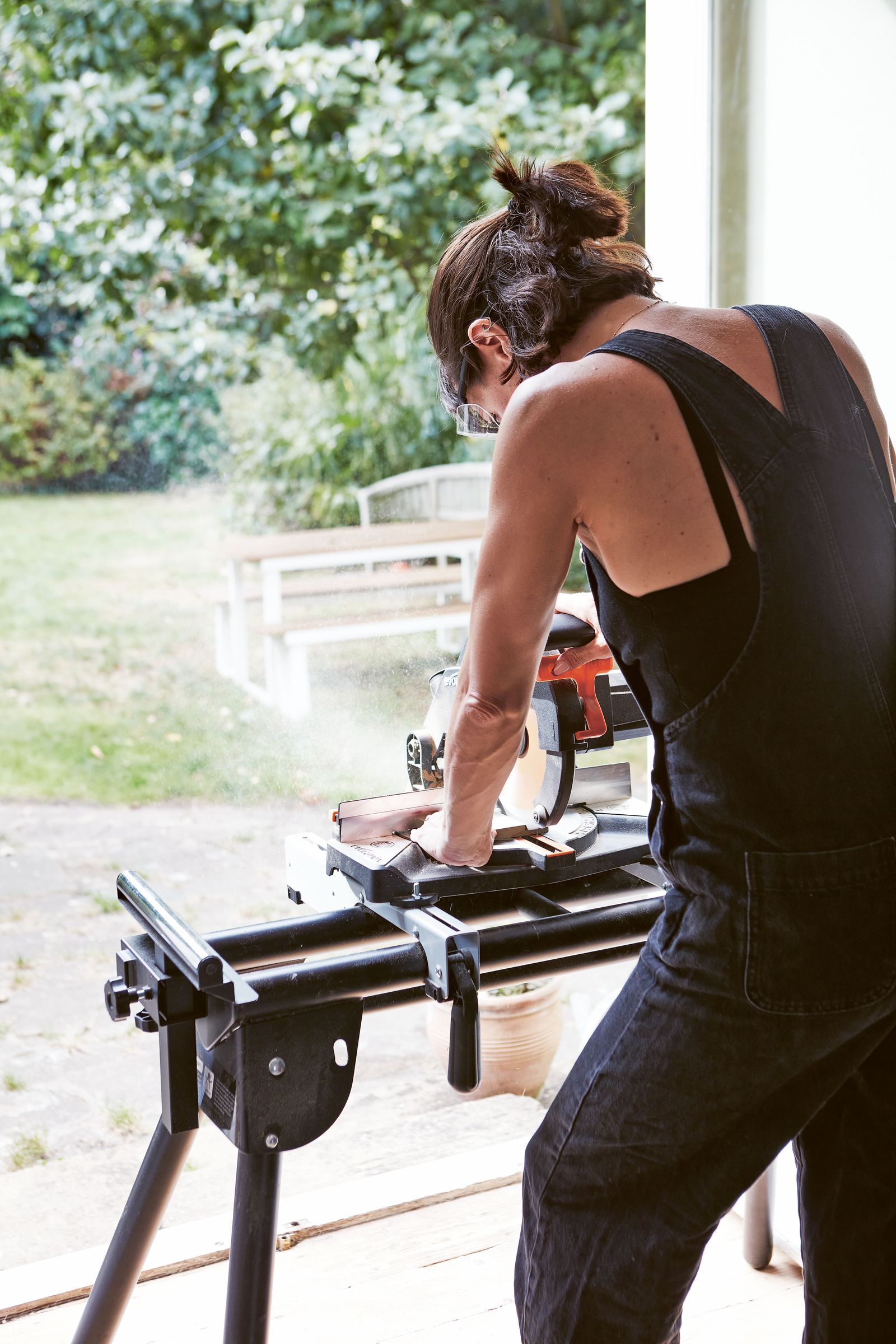
The answers are many and varied and obviously mired in all kinds of misogyny, bias and heteronormative gender stereotypes. Depressingly, 39 per cent of female tradespeople have experienced gender discrimination with 1 in 10 saying that a client has refused to let them do a job after realising they were a woman. On top of that there is a massive gender pay gap with women tradespeople earning just 72 per cent of what men earn across 15 key trades. Female electricians earn 54 per cent of a man’s wage, carpenters 53 per cent and for floorers and tilers this plummets to just 41 per cent, making it the biggest gender pay gap across the whole sector. I really hope you are all as enraged as I am about this state of affairs; we should all be riding high on our feminist high horse to condemn this patently unjust situation.
There are now organisations and affiliations established to try to support women in the trades, including the Women’s Trade Network and Women and Manual Trades via the charity Procure Trust. The reason why I’m going into such depth is because there is such a strong correlation between what we believe a professional looks like and what we can imagine ourselves doing. One of the biggest reasons that women feel a lack of confidence in DIY is because they haven’t seen women do any kind of construction or trade work, or indeed DIY. Bob the Builder is definitely not Roberta and when you pass a building site you never see a woman erecting scaffolding.
‘Doing it yourself ’ is often seen to have its roots in the 50s and 60s, though its history goes back much further. Joseph Moxon was talking about ‘handy work’ for gentlemen way back in 1683, while Mary Gascoigne praised the amusement of wood turning for ladies in 1842 (there was always the distinction made between amateur women makers and professional men, and the association of particular crafts with homemaking, such as embroidery).
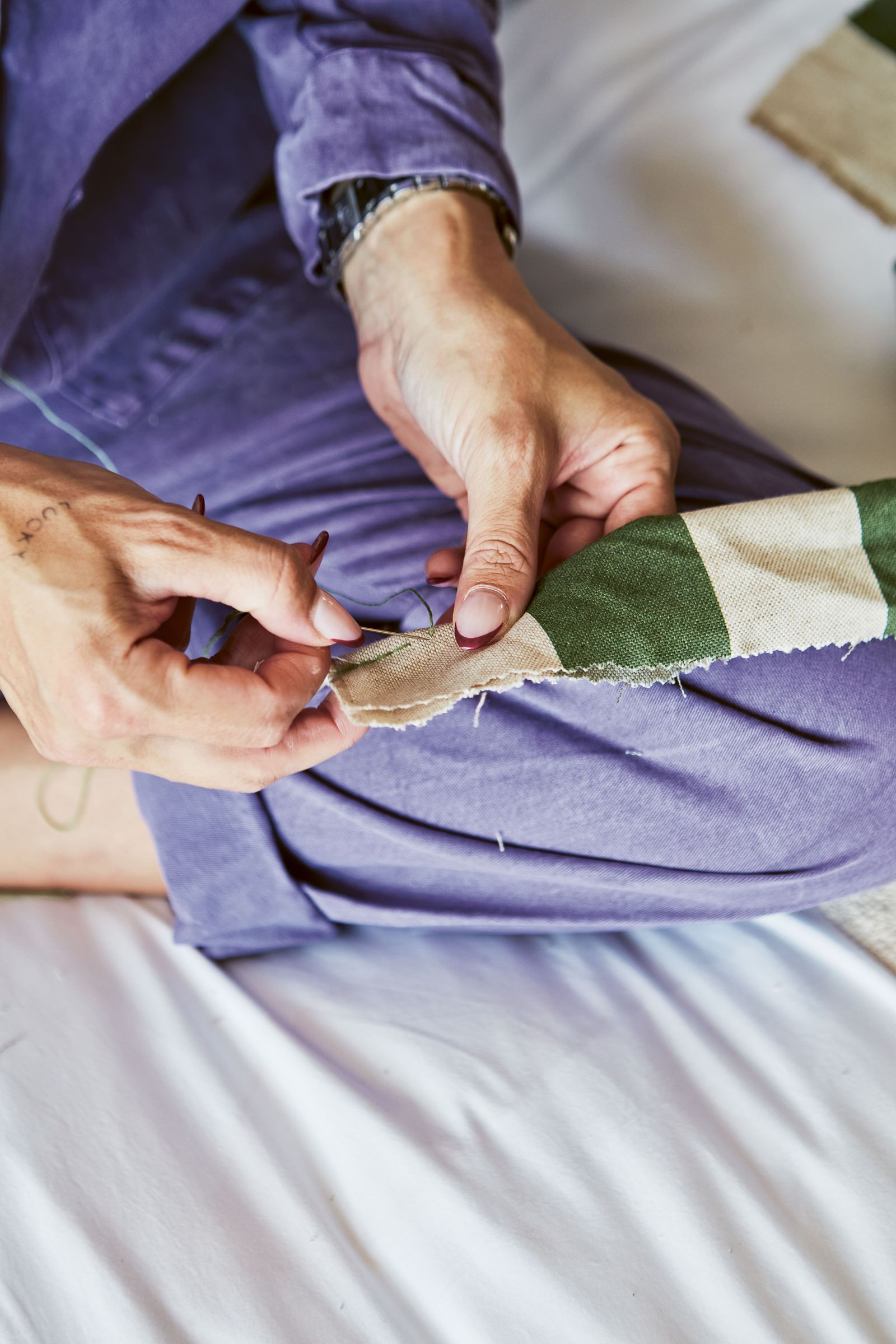
Of course, for the poor, much like the family I grew up in, doing things for oneself was a necessity more than a luxury. The economic disasters of the 1920s and 30s encouraged many to take up DIY to keep up appearances and, of course, during the second world war – in which one of my grandads fought and one of my grandmothers was in the land army (the other two were evacuees) – self-reliance took centre stage. ‘Make do and mend’ formed the backdrop to the DIY boom of the 50s and 60s and informed the culture of home improvements (especially as skilled workers were in short supply).
However, in this tableau, women were assigned the soft furnishings while men looked after the woodwork, or else were allowed to assist, but only under the watchful guidance of their husbands. These gendered notions were taught in schools, where boys had woodwork classes while girls learnt home economics, and were reiterated in the media through television shows, advertisements and magazines. This all goes to say that the way you might feel about DIY and the confidence that you may be lacking isn’t random. It’s structural and has grown from generations and centuries of gendered messages around construction, the home and a woman’s role within it.
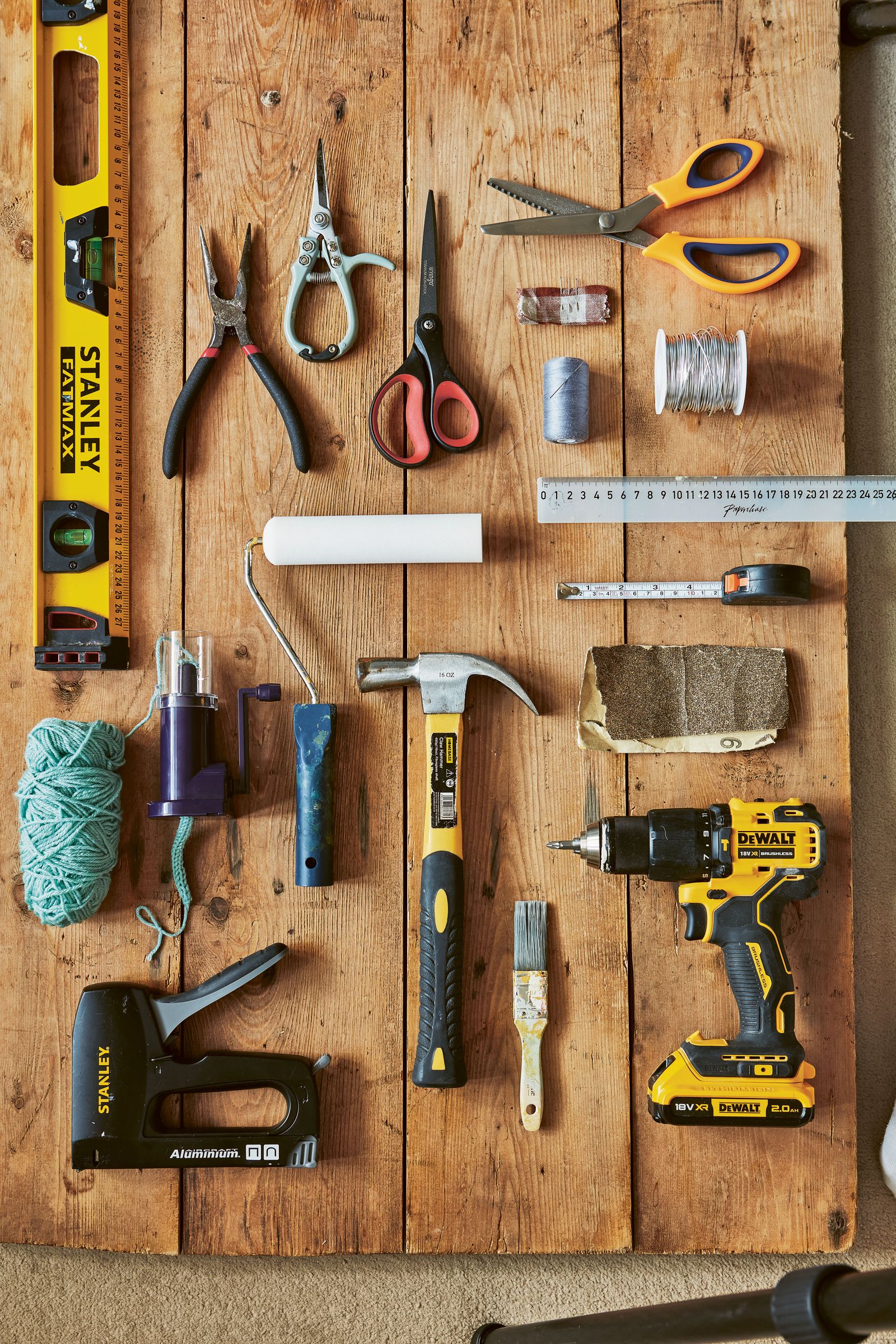
There are nuances to be found in the data. For example, while only 22 per cent of women would undertake basic woodwork in comparison to 53 per cent of men, a whopping 90 per cent of women feel confident in painting a wall. Tool use is definitely a barrier to women and since they have few role models in their networks, the broader population, or within the professional trades and the media, is it any wonder?
Strolling through my local big box DIY store recently, I was thinking about how ridiculous and incredibly unfair this dynamic really is. If DIY was solely predicated on brute strength, perhaps I could understand it more. But using a power saw is not akin to powerlifting. In fact the point of power tools is that they provide the power. Yes, there have been some occasions where I have physically struggled to drill. I do find manual sawing exhausting and there’s no beating about the bush, a lot of DIY is draining (although I maintain that heavy gardening is worse). At 157 cm (5 ft 2 in) in height I always need a step ladder and it’s true that I probably couldn’t carry a fridge on my own.
What I mean to say is that many of the impediments to women building anything are imaginary. Strolling up the aisles of screws and rachets, I reminded myself that many of the men confidently explaining the benefits of a battery-powered drill were actually total novices swept up with masculine bravado. Whenever a woman says that they would love to give DIY a try, I tell them to go and join the lads in the hardware shop. You may have no idea what you’re doing, but the likelihood is that they don’t either.

The key, as with every new skill, is to start small. Begin by resealing your shower unit or painting a piece of furniture, or simply – and I say this with no judgement – changing a lightbulb. There are no pink and blue jobs. There are just jobs. So go do the thing that you want to do and then let’s do everything we can to lobby our schools, pass on skills to our girls and make them believe that they can truly do everything within their power.
The culture of handymen, tradesmen and workmen is coming to a close with a new cohort learning to get their hands dirty through social media. Join us in proving the dinosaurs wrong.
Takeaways
- Did I mention that vinyl will change your life? For any flat surface, there will be a vinyl solution and that particularly lends itself to kitchen counter tops, white goods and tiling. If you can afford the relatively good value cost of a roll of vinyl, do not um and ah about it. I covered my fridge in matt navy vinyl for a very reasonable cost and it has already lasted over six months without a single nick.
- So many of my followers speak to me of their terror of power tools. Now, like the sea, power tools deserve our healthy respect. But once you get used to wielding them and instinctually keep to strict safety parameters, you realise that the terror is misplaced. When used in a dangerous way, they are dangerous. Like driving a car is. So take it slow. Perhaps drill a hole into a piece of wood to get used to the weight and feel. And remember that just because you’re not strong doesn’t mean you can’t use tools – that’s what the power bit is about.
- As the heart of the home, a kitchen is all about warmth and creating a welcoming space. If yours is ultra-dingy, I’d recommend leaning into the charm of gingham, a warm palette, soft furnishing and a pretty lamp to ramp up the conviviality.

This is an extract from Your Not Forever Home by Katherine Ormerod (Quadrille)


