


Oh gosh. Style is a scary subject, isn’t it? Just the word conjures up all sorts of insecurities, and from there it’s a slippery slide into a morass of self-doubt and paralysis. For those of us who don’t naturally have abundant style, figuring out how to begin is daunting. We’re not those lucky few with innate confidence, for whom expressing their style seems to be no effort at all. Instead it’s hard work for us, and not always pleasant work either.
Style is also such a broad topic too. It touches so many areas of life, from clothing, to food, to our homes, to our hairstyle. And having one kind of style doesn’t guarantee having any other. For instance, I feel confident with my interior style, but, boy, does fashion style make me queasy. I always think of chic Parisians gliding around town in their beautiful clothes and feel hopelessly inadequate. How on earth could I ever look like them? So cool and easy. They must be born that way, right?
I presume, since you’re reading this, that you may feel the same way about your interior style as I do about fashion. Perhaps you go for drinks at a friend’s casually perfect flat and then come home to look at your empty, white-walled sitting room and think “How do they do it? I’ll never be like them…”.
But don’t despair. Because I don’t actually believe that you’re either born with style or not. No way! It’s a skill, and it can be learned. Of course, some people will be naturally better at it than others, but at its core, style is nothing more than understanding your likes and dislikes and applying them to the world around you. And that is something we all do every day in various ways. All you need to do is focus your attention on it, to understand yourself a bit better. Et, voilà, you’ll be on the way to finding and implementing your style.
I always start a new design project by asking my clients whether they can give me any guidance on what they want from their house. Aside from the usual practical considerations, like how many bedrooms and what size dining table, what I’m really after are the elements of the clients’ style that I can bring into the house to make it feel personal to them. Clients occasionally answer my questions without hesitation. Some have scrapbooks full of ideas. Others may have done several houses already and know exactly what they want. But often times they struggle to give me clues to their personal style. And when that happens, I use images of interiors to help them understand their own preferences. Photos are so useful to get people thinking, and much more so than abstract design words like “warm” or “layered”, which can mean different things to different people.
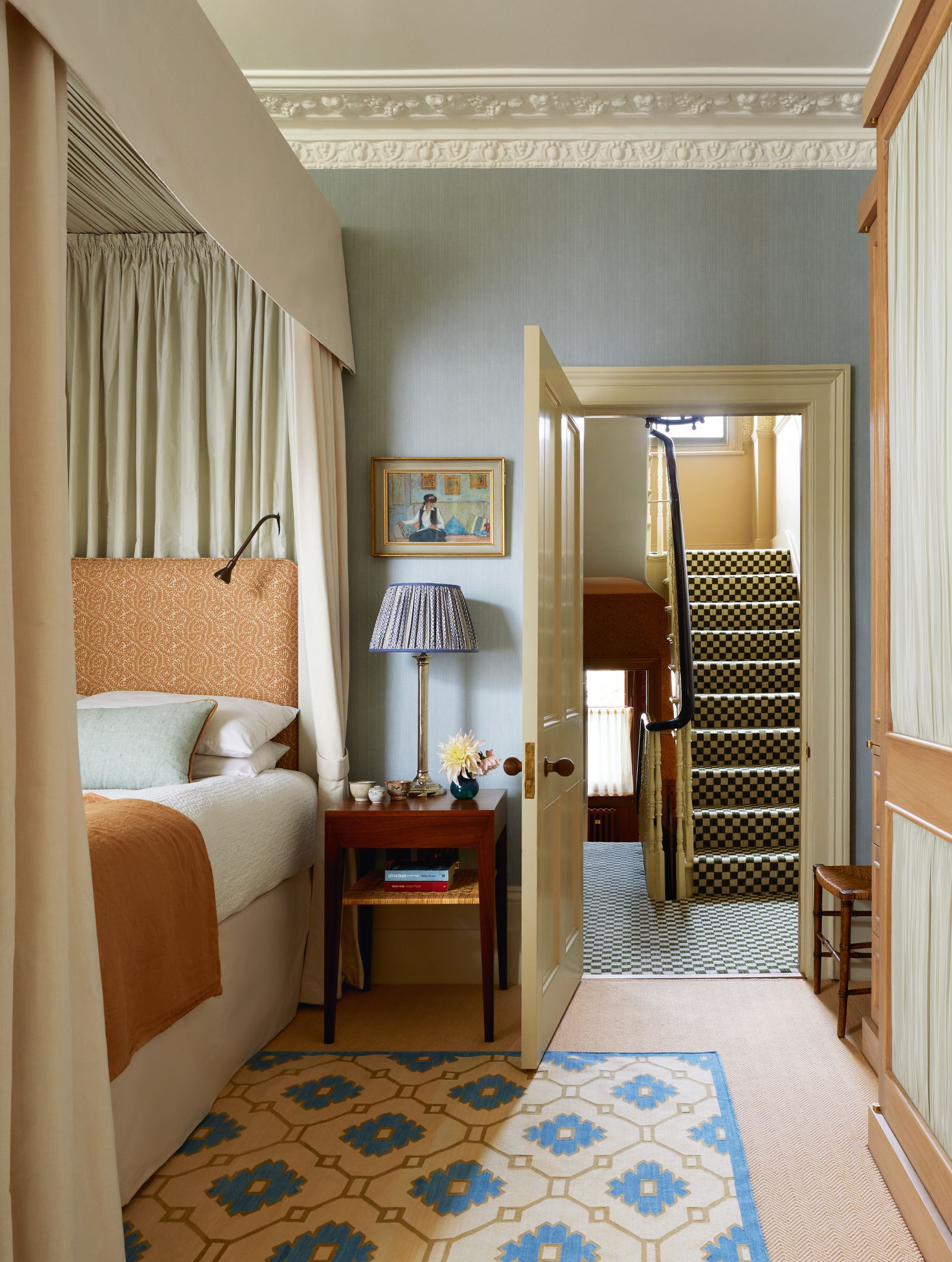
To help clients find a way to teach me their style, I sometimes put together a style quiz: a series of dozens of images designed to elicit a thumbs up or thumbs down response. These are useful when a client isn’t interested in gathering their own images. But when the client doesn't mind being more involved, I prefer to use Pinterest. It’s a brilliant tool for collecting images, and the best way I’ve found to get clients thinking in a structured way about their style. If Pinterest isn’t your preference, you can achieve the same thing with photos from social media, or with cuttings from magazines.
Start by creating a pinboard (or folder for your cuttings) for interiors that you “dislike” and another one for ones that you “like”. Then begin saving images onto both boards. It helps to focus on one category of room if you can. So if you are working on your bedroom or kitchen, start with images of those rooms. If you’re thinking more generally about your style, I’d suggest starting with images of sitting rooms, since they tend to have the fewest functional constraints and offer plenty of opportunity for exploration. If you’re like most people, you’ll find it easier to identify images you dislike than to find images that you like. But even if it’s slow at first, keep going—there are endless photos on the internet after all; you won’t run out of material. When you start the exercise, you may find that images you collect are all over the place, but as you do more, you’ll start to identify trends. There’s no guarantee this will be a quick process either. It may take several hours of work before you feel like you’re making progress.
Once you’ve got a good sample set of images saved – review your collections with a critical eye. What did you like or dislike about each image? Why did you like it? Try to identify the trends in your preferences. It may not be easy, and you may feel like your images having nothing in common. But if you struggle at first, just go back to collecting images and keep working on it. You will learn something about yourself eventually!

Having identified your likes and dislikes, you can easily apply them to developing your interior style. For the dislikes, just avoid them, and you’ll be happier with the results. Applying the likes is a bit harder, but I’m going to suggest a shortcut: copy what you like! Learning new skills is often about copying what someone else has done, at least until you have built a strong enough base to start experimenting with your own flair. When you learn a language, you copy basic syntax before you write abstract poetry. When a child learns to draw, they start with a colouring book. And even if you’re an effortlessly chic Parisian, you learn to dress by studying what other people are wearing and modelling yourself after them. You should do the same with your interior. I should say, as a professional interior designer, I bend myself into pretzels to avoid copying other designers’ work. But you should feel no such scruples. Copy, take inspiration, recreate, rip off, plagiarise. Go for it.
A final thought – just like in fashion, or literature, or art, there is rarely such a thing as right and wrong in interior design. You’re doing it for yourself, and you’re the judge of whether it is good or bad. So don’t worry about what other people will think of your choices. When it comes to your home, your style is the only one that matters.


